What's Going On Between the U.S. and Iran? A Simple Guide
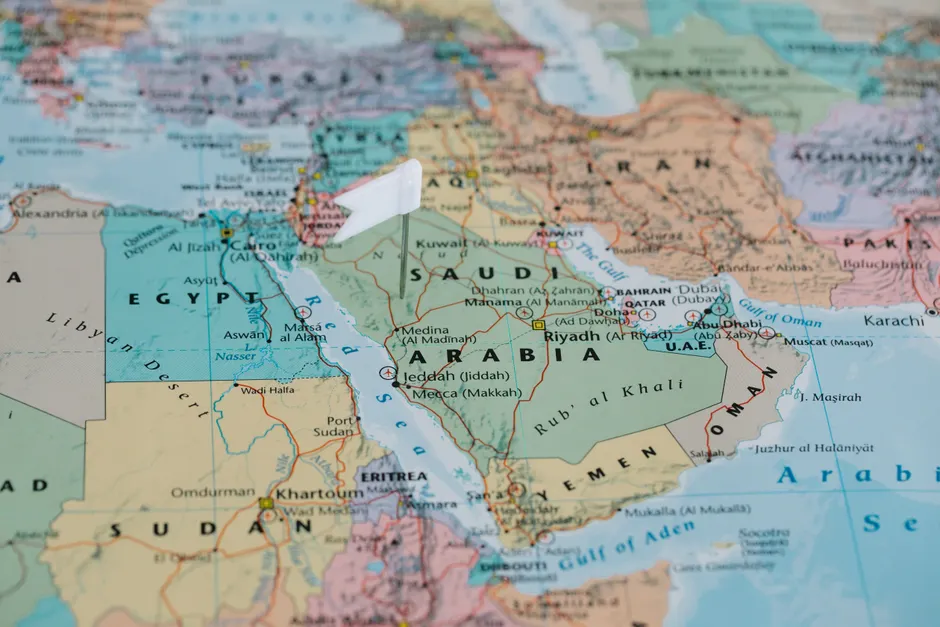
The Trump administration has pulled back from a major escalation in the U.S.-Iran war, with strikes between the two countries dying down as of late July 2026. The New York Times describes the situation as a crossroads (New York Times).
This pullback follows months of back-and-forth attacks between Washington and Tehran. CBS News reported that both countries exchanged strikes during the 2026 conflict, mostly around the Strait of Hormuz (CBS News). A deal to stop the fighting was reached in June 2026, according to the same CBS reporting. But the ceasefire, which is a formal agreement to stop fighting, did not hold. On July 19, 2026, an Iranian missile and drone attack killed two people. ILTV News called it a dangerous new phase in the war (ILTV News).
The war happened during a major moment inside Iran itself. Iran's Supreme Leader, Ayatollah Khamenei, died and was buried while the conflict was ongoing, as reported by CBS News (CBS News). Khamenei was the top authority in Iran. His death during a war with the United States means the country now has to figure out who comes next, which adds another layer of uncertainty to an already dangerous situation.
The Strait of Hormuz is a narrow strip of water where a large share of the world's oil passes through on ships. You can think of it as a toll booth on a highway: if something blocks it, the traffic, or in this case the oil supply, stops flowing and prices go up. The CBS News reporting shows that keeping this shipping lane safe was a main reason the June ceasefire was reached. The July 19 attack showed that this safety is still fragile.
Here is the central tension. The June agreement was supposed to end the fighting. But just weeks later, missiles and drones flew again. That suggests either the deal had no real way to enforce it, or that parts of Iran's military acted on their own without the central government's approval. The New York Times calling this a "crossroads" points to a big unanswered question: will the current slowdown in fighting last, or will it follow the same pattern as June, where a pause led to more attacks within weeks?
In my view, three things will decide what happens next. First, whether this calm lasts longer than the gap between the June ceasefire and the July attacks. Second, whether Iran's next leader brings stability or more chaos to the country's military decisions. Third, whether the Trump administration's pullback is a real shift in strategy or just a break to regroup. That last distinction is important. A real shift would mean the U.S. is willing to accept less fighting as the new normal, which could open the door to talks. A break to regroup would mean more escalation could return once forces are repositioned.
The reporting also comes from different points in time, which matters. The New York Times live reporting on July 25, published through the early hours of July 26 GMT, frames the moment as a crossroads. CBS News, reporting from July 10, provides the ceasefire and Khamenei burial details. ILTV News, from July 19, captures the attack that broke the post-ceasefire calm. Each outlet's publication date reflects a different phase of the conflict, and the most recent reporting from the Times should be treated as the current snapshot of what is happening on the ground.


