A Car Drove Into a Crowd Near Berlin's LGBTQ+ Pride Parade. Here's What We Know.

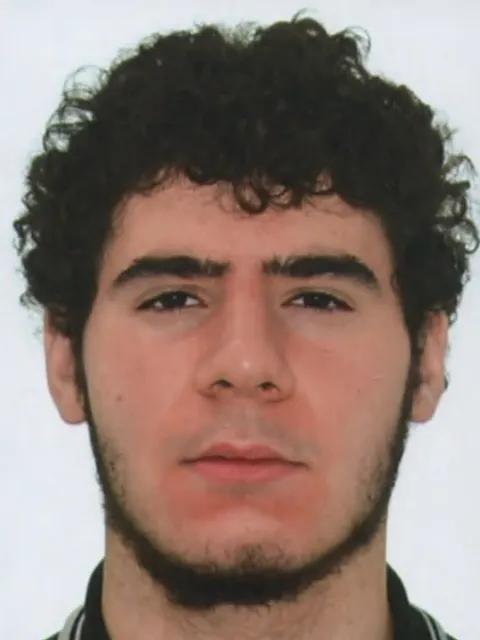
Berlin police issued a wanted-person notice on July 26, 2026 for Abdul Ballout, the suspect in a car-ramming attack near the city's Christopher Street Day celebration that left one person dead and several others injured.
The attack happened on July 25, 2026 at around 10:00 p.m. on the Ahornsteig, a path in a large park in central Berlin called the Großer Tiergarten. According to the Berlin police notice, titled "Anschlag im Umfeld des Christopher Street Day — Wer kennt diesen Mann" (which means "Attack near Christopher Street Day — Who knows this man"), multiple people were struck by a car at the location. The notice identifies the suspect as "Abdul B." Berlin police. A German newspaper called the Tagesspiegel later named the suspect in full as Abdul Ballout Tagesspiegel.
German media described the incident as a "Todesfahrt" (death drive) and a "mutmaßlicher Anschlag" (suspected attack). One person was killed and several were injured Tagesspiegel. Police launched a citywide search for the attacker following the incident Tagesspiegel.
Abdul Ballout is a Berlin resident who had previously been convicted for violent crimes, according to the Tagesspiegel. The same newspaper reported that Ballout allegedly sympathizes with the "Islamic State," a militant extremist group Tagesspiegel. The Tagesspiegel also noted that police were looking into whether Ballout may have had an accomplice Tagesspiegel.
The attack took place as Berlin's annual Christopher Street Day parade was wrapping up. Christopher Street Day is one of Europe's largest LGBTQ+ pride events, celebrating the rights and visibility of lesbian, gay, bisexual, transgender, and queer people. Hundreds of thousands had celebrated peacefully on Saturday, with the main finale held at the Brandenburg Gate, about one kilometer east of the park path where the attack occurred Tagesspiegel. Because it happened late in the evening after the main festivities, the attack took place on the edges of the event rather than in the thickest crowds.
The broader context here helps explain why this case is drawing so much attention. If the suspect's reported sympathies for the Islamic State are confirmed, this would fit a pattern seen across Europe over the past decade, where extremists have used cars and trucks as weapons to attack public spaces. Germany experienced a similar attack in 2016, when a truck was driven into a Christmas market in Berlin, about two kilometers from where this attack happened. Using a vehicle as a weapon is attractive to attackers because it requires no special materials or training, which makes it hard for security services to prevent. This would also be the first known extremist attack in Germany specifically targeting an LGBTQ+ event. Security services had previously warned that such events could be vulnerable, but no such attack had been carried out on German soil before.
The suspect's history of violent convictions raises questions about whether enough was done to monitor him after his release from prison. In Germany, security is handled by a mix of federal and state-level agencies. The Bundesamt für Verfassungsschutz (the federal domestic intelligence service) and state-level offices track people considered potential threats. Whether Ballout was being watched by any of these agencies, and what rules applied to him after his earlier conviction, are questions that authorities will need to answer. The Tagesspiegel's report that police are investigating whether someone else was involved suggests the attack may not have been the work of one person alone.
The fact that Christopher Street Day was the target also matters. CSD events commemorate the 1969 Stonewall uprising, a pivotal moment in the fight for LGBTQ+ rights. They are both celebrations and large public gatherings that require careful security planning among police, event organizers, and federal partners. An attack at such an event tests not just the security barriers on the day, but the intelligence systems meant to spot threats to big crowds ahead of time. The attacker struck at the Ahornsteig, a tree-lined path in the park, rather than inside the fenced-off parade route or near the Brandenburg Gate stage. This suggests a deliberate choice to target the less-protected edges, where people were walking home after the main event.
The investigation is active and the suspect remains at large as of the July 26 police notice. Authorities have asked the public for any information that could help identify the suspect.