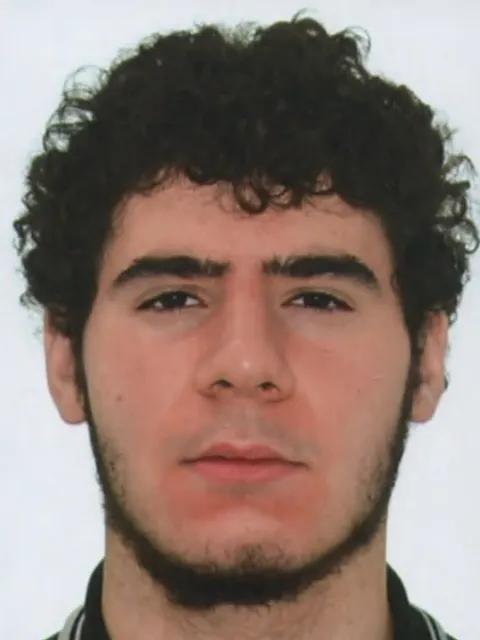
A Car Drove Into a Pride Crowd in Berlin — Here's What Happened

On July 26, 2026, a 21-year-old man named Abdul Ballout drove a vehicle into the edge of a large LGBTQ+ Pride celebration in Berlin called Christopher Street Day, or CSD. One person was killed and 29 were injured. Police shot and killed Ballout during an operation in another part of Berlin called Spandau shortly after. Investigators have labeled the attack an Islamist terrorist attack, according to Tagesschau, July 27.
Berlin police first named the suspect as "Abdul B." in a press release titled "Anschlag im Umfeld des Christopher Street Day" published on berlin.de on July 26 (berlin.de, July 26). The Tagesspiegel, a Berlin newspaper, reported his full name, Abdul Ballout, the same day (Tagesspiegel, July 26).
Before the attack, police already knew Ballout had ties to Islamist extremism. He also had a criminal conviction on his record (Tagesschau, July 26). He sympathized with the Islamic State, or IS, a violent extremist group, according to Tagesspiegel reporting (Tagesspiegel, July 26). RBB24, another Berlin news outlet, reported more background on the suspect on July 27 (RBB24, July 27.
The investigation is being run jointly by Berlin Police and the Berlin Prosecutor's Office (called the Staatsanwaltschaft Berlin in German), per the police press release. Separately, a higher-level office called the Berlin General Prosecutor's Office (Generalstaatsanwaltschaft) published a press release earlier in 2026, on April 21, about filing charges related to suspected terrorism (berlin.de Generalstaatsanwaltschaft, April 21). It is not clear whether that earlier press release is connected to the CSD attack.
Here is how the attack unfolded. CSD is a major annual Pride event in Berlin that draws hundreds of thousands of people. Ballout drove his vehicle into the crowd in an area called Tiergarten, on the outer edge of the event. The confirmed toll was one dead and 29 injured (Tagesspiegel, July 26). He initially fled the scene before police caught up with him in Spandau, where he was killed (Tagesspiegel, July 26; Tagesschau, July 26).
The broader context here matters. Because Ballout was already known to police as an Islamist and had a criminal record, people will ask whether authorities could have stopped him before the attack. Calling the attack an Islamist terrorist act rather than just a violent crime means it falls under Germany's counterterrorism system, where a higher-level prosecutor's office usually takes the lead on terrorism cases. The April 21 press release from that office about terrorism charges may or may not be about Ballout, but the timing is worth noting as the investigation continues.
The choice of CSD as a target also matters. Islamist extremists have historically viewed LGBTQ+ communities as enemies. Attacking a Pride event serves two purposes for such groups: it can cause many casualties at a crowded gathering, and it sends a message against a symbol of Western liberal values. Berlin's CSD is one of the largest in Europe, making it a high-profile target. The attacker struck at the outer edge of the event rather than the main parade route, which may mean the security barriers in the core area worked. But the casualties show the edges were still vulnerable.
Because Ballout was killed, investigators cannot question him directly. Instead, they will rely on physical evidence, digital records, and what they know about the people he was in touch with. Since he was already flagged as someone who supported IS, investigators will try to find out whether he acted alone or had help, whether someone directed the attack or he radicalized himself, and whether any warnings existed beforehand.
For German security agencies, this case brings up tensions they have faced before. They must balance watching known extremists with the legal limits on when they can actually act. They have to think about how well the outer edges of big events are protected. And they face the hard question of how to turn prior knowledge of a threat into actual prevention. These questions will shape the political and institutional response in the coming weeks as the joint investigation by Berlin Police and the Staatsanwaltschaft Berlin moves forward.