Apple's Smart Glasses Are Coming Later Than Expected — Here's Why
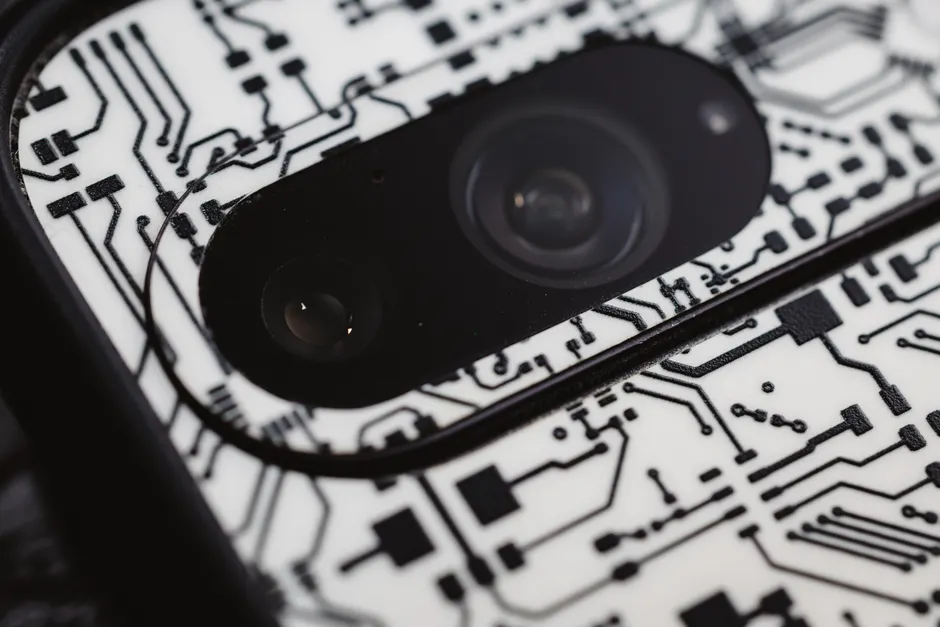
Apple has pushed back the launch of its first smart glasses from 2026 to a reveal at WWDC 2027, Apple's annual developer conference, with a release planned by the end of that year. The reason: the company is still working through privacy questions that come with putting a camera on a pair of glasses someone wears on their face.
According to Bloomberg's Mark Gurman, teams within Apple's Vision hardware group and elsewhere across the company now treat privacy as the number one priority for the project. Apple is developing new hardware and software privacy features not available on its current products to address the problem.
The delay reshapes a timeline Apple has been building toward for over a year. The company conducted an internal study, code-named "Atlas," examining smart glasses already on the market, starting by at least November 2024 (Bloomberg). By May 2025, Apple had committed to glasses as part of a broader push into AI and had shelved a planned smartwatch with a camera (Bloomberg). The following October, Apple shelved a planned overhaul of its Vision Pro headset to focus on AI smart glasses that could rival Meta's offerings (Bloomberg). By April 2026, reporting indicated Apple was working on multiple frame styles and a unique camera design for the device (Bloomberg). In June, CNET reported that Apple's leadership regards the glasses as a top priority (CNET). The company is also developing custom chips designed specifically for the glasses, alongside chips for AI servers, per a Reuters report on Bloomberg sourcing from May 2025 (Reuters.
The privacy architecture under consideration includes several distinct approaches. One would disable recording if the system detects that the recording indicator light has been tampered with, similar to what Meta already does in its own AI glasses. Apple is also weighing whether to ship a version of the glasses with no camera at all, and separately, a configuration that includes a full camera system but with no ability to take photos or record video.
That last option means the camera would act like your eyes: taking in information to help the glasses understand what is around you, but never saving what it sees. The glasses would use the camera only for real-time AI features, like recognizing objects or translating text, without storing any images.
The competitive landscape adds weight to these decisions. Meta's AI smart glasses were recently named in a class action lawsuit over privacy claims (Engadget). Apple's deliberation over multiple camera configurations suggests the company is working to avoid a similar legal and reputational problem before the product ships rather than after.
Personnel movement adds another dimension. In late June 2026, OpenAI hired an Apple executive who had worked on both Vision Pro and the smart glasses program (The Information). The departure is the latest in a series of Apple staffers moving to the AI startup, though the specific impact on the glasses program is not detailed in the reporting.
The broader context here is that Apple's approach fits a pattern visible across its product history: the company has frequently accepted arriving later to a category in exchange for what it judges to be a more defensible product. Think of the iPhone — Apple did not make the first smartphone, but it waited until it felt the technology and the experience were right. The question that matters now is whether the privacy features Apple is developing are genuinely different from what Meta already ships, or whether they are just small improvements on the same basic approach. The tamper-detection method mirrors Meta's. A version with no camera would be the clearest difference, but it also limits what makes smart glasses useful as an AI device.
In this author's view, the most interesting option is a camera that processes what it sees only in real time, with no way for the user to capture or save images. It would let the glasses understand their surroundings for AI features while removing the main source of privacy complaints, and it would be a genuinely different design choice rather than a rule applied on top of a normal camera.
Whether Apple can deliver that version in a comfortable design and at a price that competes with Meta's established position is the open question for 2027. The company has committed significant resources to finding out, prioritizing this product over a Vision Pro refresh and a camera-equipped Apple Watch. The privacy problem has now added at least a year to the timeline, and the final camera design is, by all reporting, still not settled.


