The US and Iran Stopped Attacking Each Other — Here's Why Your Money Cares

The United States did not attack Iran for a second consecutive day as of July 26, 2026, and Iran said it had also stopped, signaling a mutual pause in fighting less than three weeks after President Donald Trump declared the ceasefire "over" following military strikes between the two countries (Washington Post).
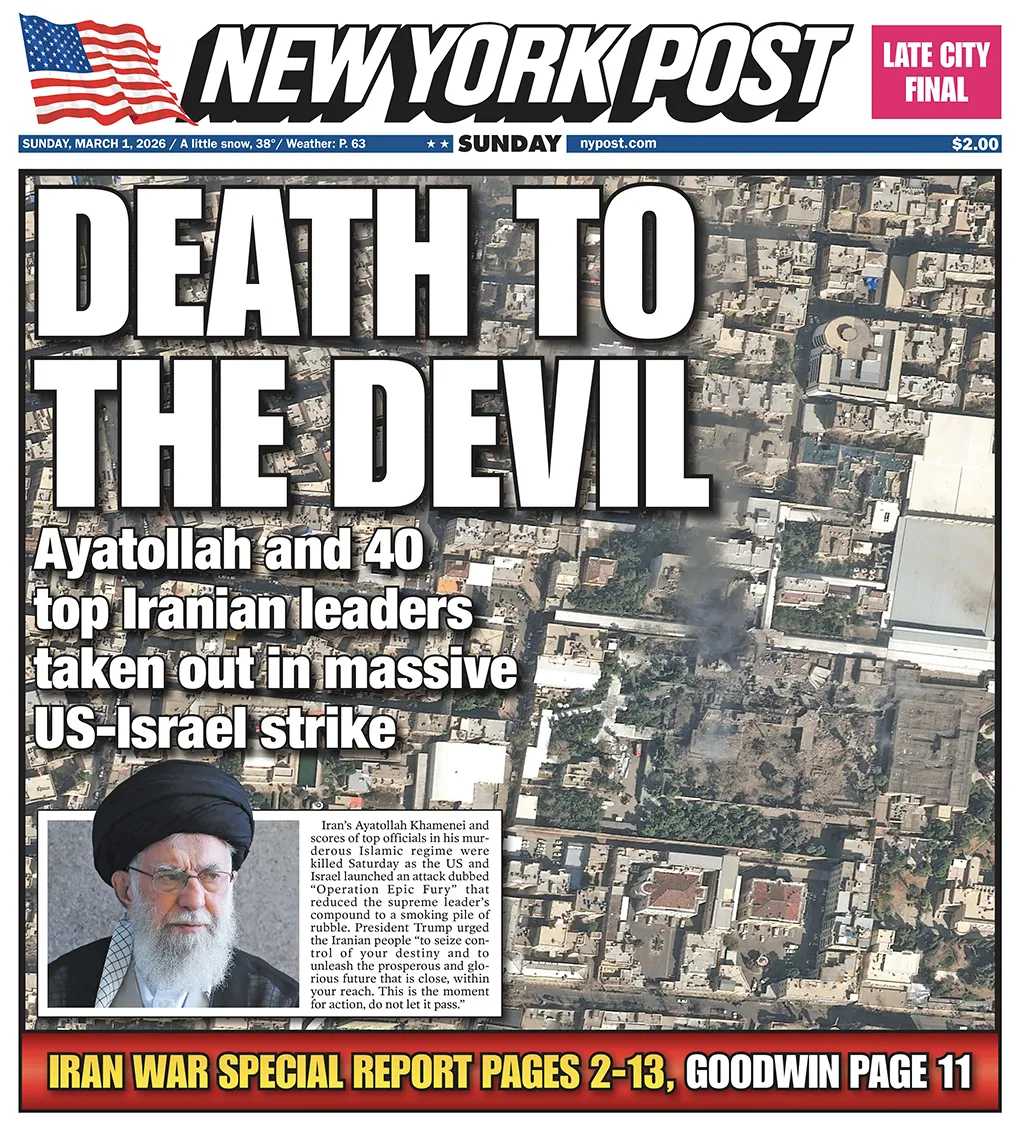
The pause, reported July 27 by the Washington Post, comes after a volatile five-month stretch for Asian currencies that began when the U.S. and Israel attacked Iran in late February 2026 (Reuters). The initial strikes triggered an immediate flight to safety: the Japanese yen and Swiss franc gained after weekend Iran strikes in early March (Reuters). Asian currencies across the board came under pressure from a surging oil price and a broadly strong U.S. dollar (Reuters).
When investors get scared, they pull money out of riskier currencies and park it in ones considered safe — like the U.S. dollar, the Japanese yen, or the Swiss franc. That's called a "safe-haven" move. When the dollar gets stronger, other currencies lose value against it, which is exactly what happened across Asia.
A brief sign of cooling in late March saw the dollar drop on hopes the conflict was easing (Reuters). That proved short-lived. By May, several Asian currencies had fallen sharply against the dollar since the war's start, with Reuters describing the region's currencies as "flashing an oil shock alarm" (Reuters). Asian currencies suffered some of the sharpest falls across global currency markets since the February attacks, with the declines accelerating through the spring (Reuters). The WSJ noted on May 5 that Asian currencies were holding steady but could be dragged down by renewed Middle East tensions, even as a cease-fire framework was under discussion (WSJ).
Diplomatic efforts stalled in June. Reuters reported on June 19 that U.S.-Iran peace talks had been postponed, clouding prospects for a lasting truce (Reuters). On July 8, Trump stated the ceasefire was "over" after the U.S. and Iran exchanged military attacks (Al Jazeera). By July 11, Asian currencies were trading mixed against the dollar (Business Recorder), suggesting markets were unsure which direction things were heading.
The Washington Post's July 26 report that both sides had paused attacks for two consecutive days introduces the first concrete sign of de-escalation since the June postponement of peace talks. The critical question for currency traders is whether this mutual pause turns into a lasting ceasefire or dissolves, as the late-March easing did, into another false alarm.
Asian currencies have been hit through two overlapping channels. First, higher oil prices make imports more expensive for oil-dependent Asian countries, widening the gap between what they spend on imports and what they earn from exports. Second, geopolitical fear drives investors toward the dollar, which makes Asian currencies weaker. The yen's rise in early March was unusual for an Asian currency — it happened because investors use the yen as a cheap borrowing currency, so when fear spikes, they pull those borrowed funds back home, lifting the yen. When the dollar dropped later that month on hopes of de-escalation, the yen recovered partly because Japan's government hinted it might step in to support the currency, not because Japan's economy had improved.
The broader context here is about how long a shock needs to last before it does real damage. The February-to-July window now spans five months of conflict-driven currency disruption. Previous Middle East episodes that moved Asian currencies — the 2019 Gulf tanker incidents and the 2024 Red Sea disruptions — resolved or were contained within weeks. This conflict's persistence has allowed the oil-price shock to embed more deeply into Asian countries' financial positions, which is why Reuters used the word "alarm" in May rather than simply noting weakness.
What the July 26 mutual pause does not provide is a diplomatic framework. Unlike a formal ceasefire agreement, this is a reported halt in strikes based on each side's stated position. The June postponement of peace talks remains the last confirmed diplomatic development. Markets will be watching for whether talks resume and whether the pause holds through a full news cycle without either side breaking silence.
The mixed Asian currency trading on July 11, reported by Business Recorder, occurred in the immediate aftermath of Trump's July 8 "over" declaration and the subsequent exchange of attacks. If the current two-day pause extends, the question becomes whether the fear-driven damage to Asian currencies since February gets partially or fully reversed, or whether the hit from sustained high oil prices has already locked in permanently weaker currency values for the most exposed countries.
Two days of quiet is a data point, not a trend. The late-March easing taught markets that pauses in this conflict can reverse fast. What would matter more is a resumption of the postponed peace talks, or a pause that survives a full week without either side breaking it. Until then, the five months of pressure on Asian currencies from higher oil costs and a stronger dollar remains the dominant force, and any relief rally in those currencies is a guess rather than something backed by a confirmed diplomatic breakthrough.