The U.S. and Iran Stopped Fighting for Two Days: Here's What's Going On
The United States paused military attacks on Iran for a second day in a row on Sunday, July 26, 2026. Iran stopped its own strikes against U.S. forces at the same time, according to the Associated Press and the Christian Science Monitor. Peace talks between the two countries were happening as of that date.
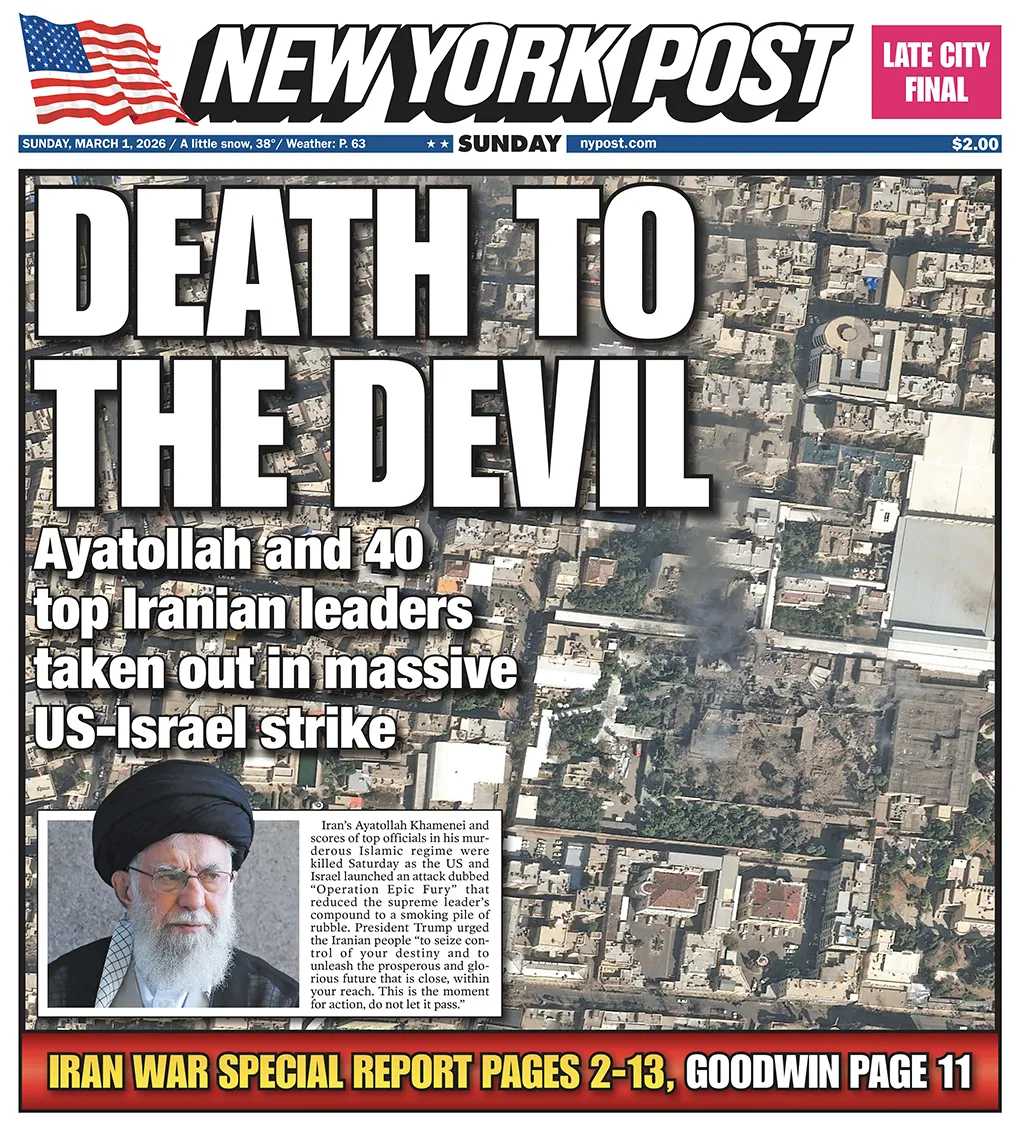
This pause comes after months of fighting that swung back and forth between escalation and brief calm. The White House announced Operation Epic Fury on March 1, 2026, calling it a military campaign to "crush" the Iranian regime and end its nuclear threat. A January 2026 administration report had already claimed that Iran's nuclear weapons capability was destroyed. By late March, fighting had effectively closed the Strait of Hormuz, a narrow stretch of water between Iran and Oman that about a fifth of the world's daily oil supply passes through. In April, President Donald Trump ordered the U.S. military to "shoot and kill" small Iranian boats that lay mines to block the waterway.
The path from full-scale strikes to the current pause was anything but smooth. Trump called off new military strikes on Iran on June 11, 2026. That same day, the S&P 500, an index that tracks 500 large U.S. companies and is widely used as a gauge of the stock market's health, jumped 1.8%, its biggest one-day gain in two months. Investors were betting that a U.S.-Iran deal would get oil flowing again. The U.S. Treasury issued a general license on June 22, which is official permission that lets people and companies do business that would normally be banned, allowing the sale of Iranian crude oil and petrochemicals under a temporary agreement. A 60-day ceasefire took effect in early July. But indirect talks between the two sides wrapped up in late June or early July with no visible progress toward lasting peace. Trump said around July 6 that there would "either be a deal with Iran or the United States would 'finish the job.'"
The ceasefire did not last. The U.S. bombed Iran for a ninth straight day as of July 20, and another American was confirmed killed in the conflict. The Associated Press reported on July 24 that the U.S. military paused its airstrikes after nearly two weeks of intensifying bombing. That pause has now continued through July 26, with Iran doing the same.
Each swing between fighting and talking has jolted oil and stock prices. When the Strait of Hormuz closed earlier in the conflict, oil markets were hit hard. When Trump called off strikes on June 11, stocks had their best day in two months. Oil futures are contracts that let traders lock in a price for oil at a later date, and they carry a risk premium, which is an extra amount tacked onto prices to account for danger and uncertainty. A sustained pause, if it holds, would shrink that premium. If it falls apart, the administration has already made clear what happens next: the goal is to eliminate the Iranian regime and its nuclear program, not just contain it.
The broader context here is that this is not a typical geopolitical standoff with a simple way out. The stated goal of the conflict is regime destruction, which leaves little room for a peace deal that both sides can call a win. The June Treasury license allowing Iranian crude sales showed some willingness to restart oil trade under a temporary deal, but that deal collapsed back into bombing within weeks. Anyone trying to gauge the current pause should remember that the previous ceasefire lasted about two months before falling apart into nine straight days of strikes.
Al Jazeera's live coverage on July 26 also noted that Tehran summoned Ukrainian diplomats over a Caspian Sea attack, a detail suggesting the conflict could pull in other countries beyond the U.S. and Iran. Whether that angle is part of the current peace talks is not clear from public reporting.
For anyone watching their savings or investments, the key question is whether the July 24-26 pause becomes a real ceasefire or repeats the pattern of the earlier 60-day one: a temporary break followed by more fighting. What is confirmed is that both sides have stopped shooting for two days and are talking. There is no signed agreement, no timeline for talks, and no public details on what is being negotiated. In a conflict where the last ceasefire lasted two months before falling apart, that is the floor of the current signal, not the ceiling.


