Oil Prices Just Dropped 5%. Here is What It Means for Your Wallet.
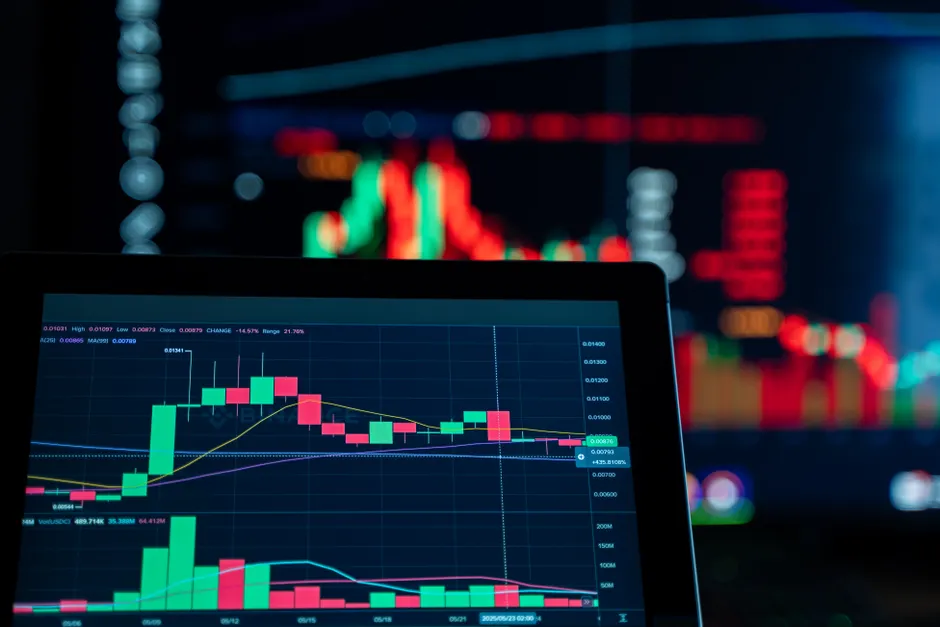
Brent crude, a key oil price benchmark that influences what you pay for gasoline, fell $6.20 per barrel, or about 5%, in early Asian trade on July 27, 2026. It was trading at $90.58 as of 0620 GMT after the United States and Iran paused military strikes against each other. Reuters. The Associated Press put the decline at 4% in its own reporting. AP via WGN Radio.
The US-Iran conflict that preceded the pause was approximately five months old, according to Bloomberg. Bloomberg. The State Department's 2024 Country Reports on Terrorism, published in June 2026, documented that Iran-backed proxies killed three US soldiers and injured 47 in January 2024, tracing the escalation path that led to direct US-Iran military exchanges. US State Department.
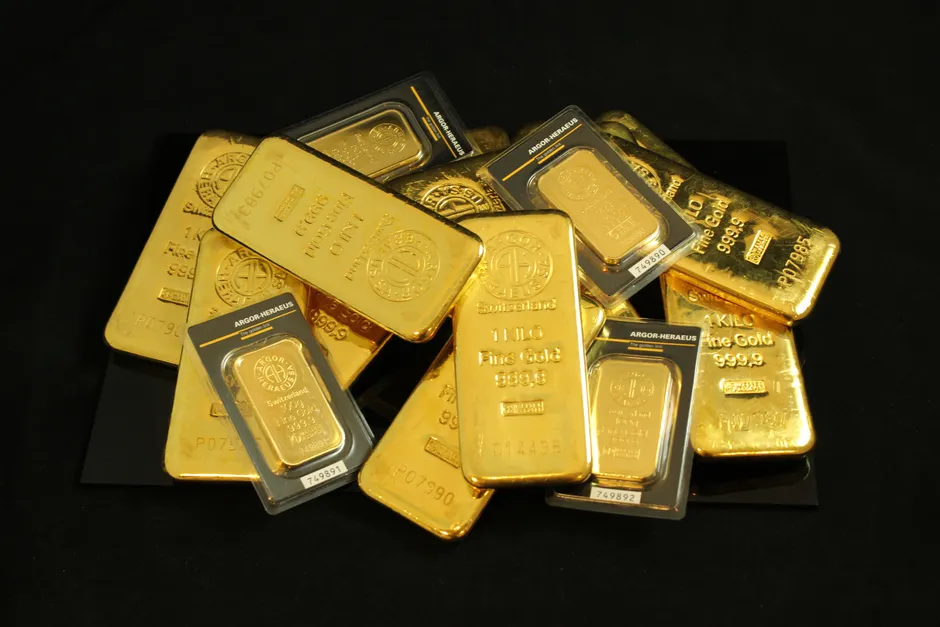
The pause set off a broad rally across markets. US stock futures rose in early trading, attributed to the temporary lull in Middle East hostilities and the steep pullback in energy prices. Benzinga. Bonds rallied alongside equities on July 26. Bloomberg. Gold prices also gained in the same session. That is unusual because stocks and gold often move in opposite directions, so when they rise together, it usually signals investors unwinding positions as market jitters settle, rather than making a confident bet on any single direction.
Chicago soybean oil futures fell the most in a month on July 27, with the decline attributed to the US halting strikes on Iran easing fears of further escalation. Bloomberg. Soybean oil is used to make biofuels, so its price tends to track crude oil. The synchronized move confirms that energy linkages, not agricultural supply and demand, drove the contract lower.
For context, Fitch Ratings projected an average Brent crude price of $87 per barrel for 2026 in a June 8 assessment, with an expectation that prices would ease after July if the Strait of Hormuz, a narrow shipping channel through which about a fifth of the world's oil passes, reopens. ANI News. Brent at $90.58 remains above that full-year average projection.
Here is what this could mean for everyday prices. A $6.20 single-session drop in oil feeds quickly into wholesale gasoline and diesel pricing, with retail fuel prices at the pump typically lagging crude moves by one to three weeks. For consumers and businesses that depend heavily on transportation, that passthrough could matter for inflation readings in August and September, depending on whether the pause holds.
The bond rally aligns with this cooling effect on prices. If sustained, lower energy costs feed into inflation expectations, which in turn influence interest rates. The concurrent gold strength, however, is harder to reconcile with a simple story about falling inflation. It may reflect safe-haven demand from participants uncertain whether the pause is a genuine de-escalation or a tactical regrouping.
The gold-bond divergence is worth watching. In a clean rally driven by falling inflation, gold typically underperforms because investors shift toward assets that pay interest. Its participation here suggests either significant hedging against worst-case scenarios or flow-driven dynamics from position unwinds in the crude market. The five-month duration of the conflict, combined with documented proxy activity predating direct exchanges, gives market participants ample reason to price in the risk of fighting resuming rather than treat this as a durable ceasefire.
Reuters' July 27 commentary framed the crude market as pricing "adaptability, not hopeful Iran peace," which aligns with the structure of oil contracts: near-term volatility is easing while longer-dated contracts still carry elevated risk premiums. Reuters. The soybean oil move reinforces this read. Participants are reducing exposure to investments tied to energy prices rather than making bets on agricultural markets.
The Fitch $87 average assumes the Strait of Hormuz returns to normal operations. Brent trading above that level after a 5% single-session decline implies the market is not yet pricing full Strait access, or is demanding a risk premium for resumption. The distinction matters: a genuine de-escalation with verified shipping through the Strait would likely see Brent fall below the Fitch average, while a fragile pause keeps the geopolitical premium intact.
The cross-asset footprint is consistent with a volatility event, not a lasting shift. Stocks, bonds, and gold all rallying at the same time while oil and its biofuel proxies sell off is the textbook signature of a geopolitical risk premium being unwound. Whether it becomes more than that depends entirely on the operational reality of the pause.