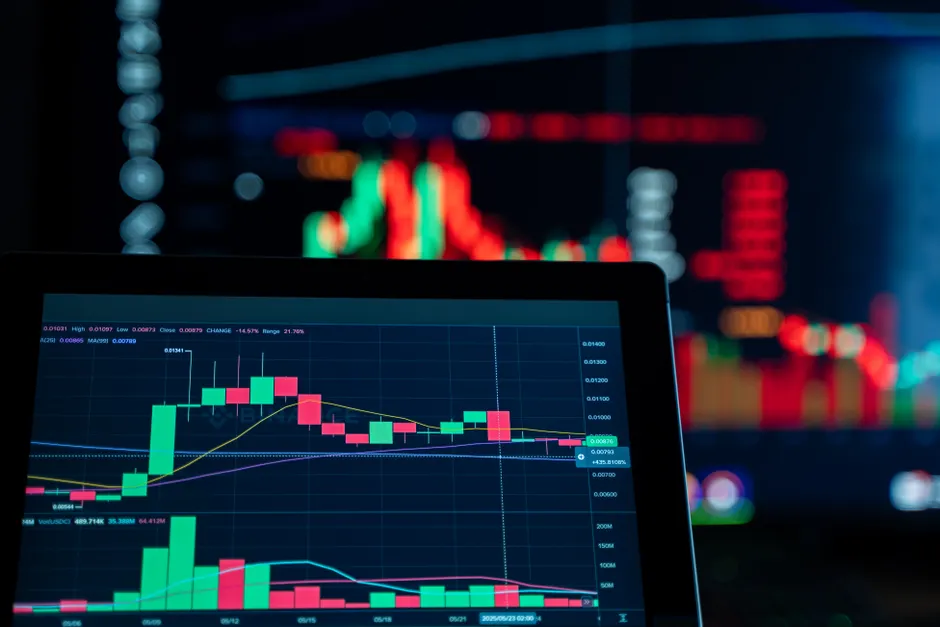
Oil Prices Fell 5% and Gold Rose After the US and Iran Paused Fighting
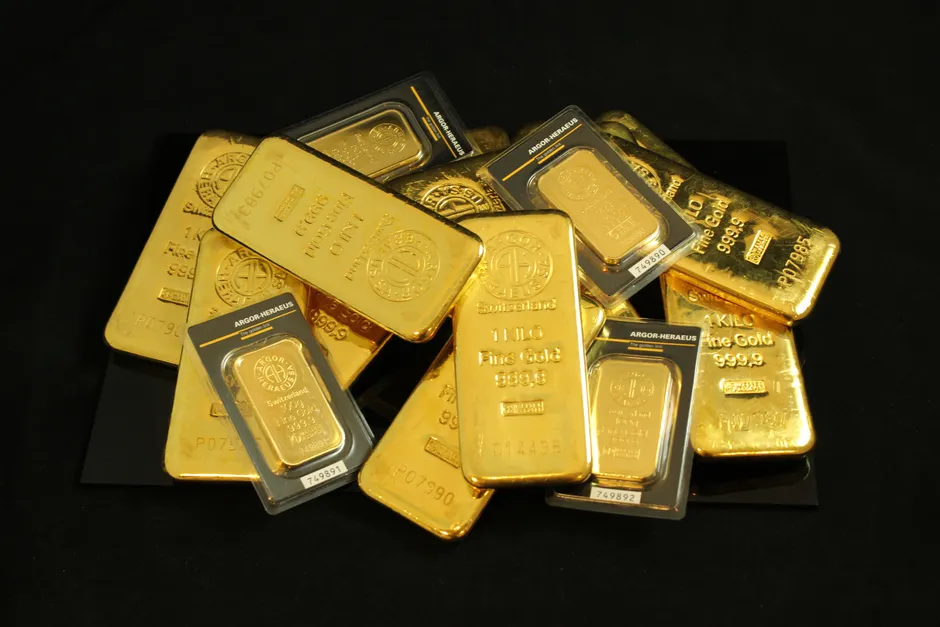
Brent crude, the benchmark for global oil prices, fell about 5% on July 27, 2026, dropping below $90 per barrel. Gold rose about 1.1% to near $4,100 per ounce. Both moves came after the United States and Iran agreed to suspend attacks against each other over the weekend (NDTV Profit, Straits Times).
The US military did not announce new strikes against Iran on Friday, July 25, for the first time in roughly two weeks of continuous bombing under Operation Epic Fury, the named military campaign against the Iranian regime (CNN, White House). The pause continued for a second night on July 26 (Guardian, AP News). Iran then suspended its retaliatory strikes in response (Al Jazeera).
Two factors appear to have driven President Donald Trump's decision to halt the bombing. Top US military officials advised the president to pause the strikes (Guardian). Separately, the Wall Street Journal reported that declining US munitions and air-defense stocks factored into the decision (WSJ).
The campaign's final days had been intense. The US struck Iran for three consecutive nights as of July 23 (WSJ). On July 24, Kuwait warplanes struck Iran, which the WSJ described as a rare instance of Gulf retaliation (WSJ). The Pentagon's Chief Spokesman Sean Parnell had previously called the broader regional conflict a "12-day war between Iran and Israel" that ended with a ceasefire (DoD.
When markets opened on July 27, traders quickly repriced what's called the "risk premium" — the extra amount added to oil prices because fighting could disrupt supply. Think of it like an insurance cost baked into the price. When the threat of disruption fades, that cost comes out fast. The Straits Times reported that the pause eased oil supply risks and inflation concerns, which contributed to the gold price rise (Straits Times). The WSJ linked gold's gains directly to the weekend pause in US-Iran fighting (WSJ).
Gold's rise is a bit puzzling at first. When oil prices fall, inflation typically cools, and gold — which investors buy as a safe place to park money during crises — usually loses some appeal. But the safe-haven demand unwound more slowly than the oil sell-off, and thin summer trading amplified the effect. Gold had settled at $4,046.50 on Friday, July 24 (WSJ). CME Micro Gold Futures were at 4,055.4 as of July 25, up 5.2 (+0.13%) (CME Group). CME Group's benchmark gold contract trades the equivalent of nearly 27 million ounces daily (CME Group, so even small percentage moves add up to large dollar amounts.
The broader context here matters for anyone wondering how long this pause lasts. The WSJ's reporting on dwindling air-defense stocks raises a concern: the pause may reflect running low on supplies rather than a diplomatic breakthrough. If munitions availability was the reason, the pause could end as soon as stocks are replenished. The word "pause," used consistently by both the Pentagon and the White House, implies a temporary break, not a permanent stop. That distinction matters for how much fear should stay priced into oil and gold.
For everyday consumers, the key question is whether cheaper oil eventually shows up as lower prices at the store. Oil below $90 per barrel would reduce inflation pressure if it holds. But the two-week bombing campaign disrupted shipping lanes in the Gulf, and those cost effects may still be working through the system. Markets are already pricing in some relief, but it typically takes several weeks for oil price changes to show up in consumer price data.