Europe's Live Tech Show ETN Just Got $1.6 Million to Grow
A London-based live tech show called the European Technology Network, or ETN, raised $1.6 million in funding on July 27, 2026. The show was founded by Luke Knight and Ronan Chambers. Investors include Powerhouse Capital, Axel Springer SE (a large European media company), LadBible (a youth-focused media brand), and individual investors from OpenAI and DeepMind, two of the biggest names in artificial intelligence. TechCrunch
ETN started in October 2025. It streams live on X and YouTube from its website, etnshow.co. The show airs from 12 p.m. to 3 p.m. UK time and mixes breakdowns of trending technology news with interviews of guests. Since launch, it has gathered more than 5 million views.
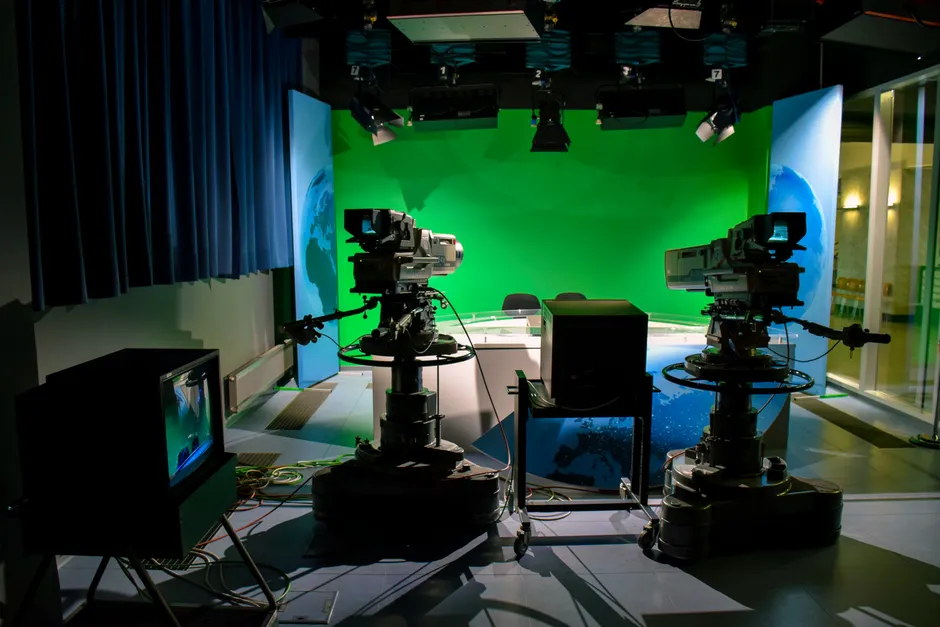
On the same day as the funding announcement, ETN expanded from two days a week to five days a week, running Monday through Friday. The new money will pay for a bigger studio in Kings Cross, London, hiring more staff beyond its current team of eight, and starting a newsletter. The show makes money through advertising, and its current sponsors include Polymarket, Base, and ElevenLabs.
The show gets about 70 requests per week from people who want to appear as guests. That number suggests there is real demand for a European version of the live tech shows that have mostly been based in the United States. Each investor brings something different: Axel Springer has media experience, LadBible knows how to reach younger audiences, and the OpenAI and DeepMind investors add credibility in artificial intelligence, the topic that drives much of today's tech news.
In my view, what is happening here is part of a bigger shift. Live shows hosted by personalities have become a main way that tech companies announce products and that founders tell their stories, taking over some of the role that traditional press releases used to play. When a show gets 5 million views in nine months and fields 70 guest pitches a week, it has effectively become a regular stop on the publicity circuit. The sponsors tell their own story: a prediction-market platform, a blockchain project, and an AI voice company are exactly the types of businesses spending heavily on attention right now.
The jump to five days a week is the more interesting change. Two days a week is manageable for a small team. Five days a week is a much bigger commitment, requiring more staff, more guests booked, and the ability to produce good content even on days when there is little news. The bigger studio and the larger team are the costs of making that bet work. The newsletter gives ETN a way to reach its audience directly, rather than relying only on X and YouTube, whose algorithms can change and reduce how many people see the show.
There are not many direct competitors doing what ETN does in Europe. The show is entering a space that American shows have mostly filled, and Europe's tech scene has grown large enough to support its own coverage. Whether people will keep watching five days of live programming each week is the open question. The early audience numbers and the investor backing give ETN the time and money to find out.