A Tornado Hit Wisconsin: Here's What Happened
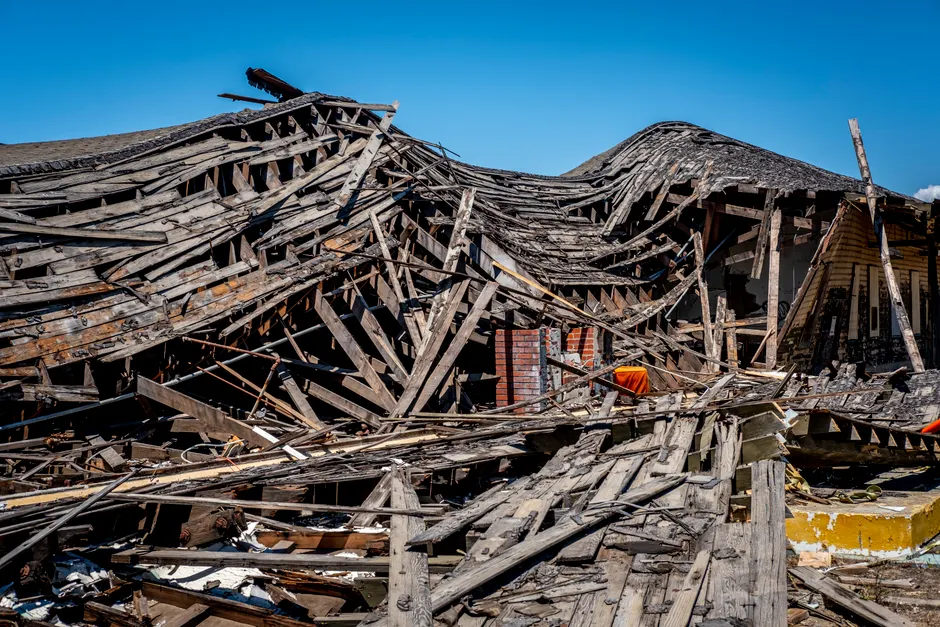
A tornado struck northeastern Wisconsin on Monday, July 27, 2026. It tore through an area called the Fox Cities, ripping roofs off homes, flipping cars, and cutting electricity to more than 30,000 people. The National Weather Service, the government agency that tracks weather and issues warnings, confirmed the tornado formed over the city of Appleton around noon. Damage was reported across Appleton, Menasha, and the east side of Fox Crossing (The Guardian; Milwaukee Journal Sentinel).
The tornado first hit around 12:20 p.m., according to Menasha Police Chief Matt Albrecht. About 20 minutes before that, at 11:59 a.m., the National Weather Service had sent out a tornado warning for the area. A tornado warning means a tornado has been spotted or picked up on radar, and people should take shelter right away. Before that, the area had already been under a severe thunderstorm warning for about 45 minutes, meaning dangerous storms with strong winds or large hail were possible. The storm had been producing winds up to 97 km/h. The tornado warning expired at 12:45 p.m. By 12:25 p.m., the tornado was over Lake Winnebago and moving south toward Fond du Lac County (The Guardian; Milwaukee Journal Sentinel).
Menasha, a small city of about 18,000 people near the shore of Lake Winnebago, took some of the worst damage. Roofs were torn off. Cars were flipped over. Some houses were left with nothing but their outer walls. Video obtained by CNN showed buildings in Menasha with their outsides completely stripped away. The entire city was believed to be without power right after the storm hit (The Guardian; CNN).
Chief Albrecht said many roads were blocked and told residents to stay where they were. Downed power lines, fallen trees, and other dangerous conditions were reported across the area. Authorities opened a shelter at a church in Menasha for people who could not stay in their homes (The Guardian).
Gordon Hintz, the top elected official in Winnebago County, said multiple buildings were completely destroyed and vehicles were overturned. He said he was not aware of any deaths or injuries at the time, though emergency crews were still searching the area. NWS meteorologist Holley Kamba, speaking from the Green Bay office, also said no injuries had been reported so far. Damage reports came from southern Outagamie County and eastern Winnebago County (The Guardian).
Wisconsin Governor Tony Evers said the state is ready to help the affected communities. He said all available storm warnings were turned on before the tornado hit to get people to safety. The NWS said severe weather would continue through Monday afternoon across east central and southeastern Wisconsin, with strong winds, hail, and possibly more brief tornadoes (The Guardian).
The NWS Green Bay office posted a summary of the storm on its website, updated as of 4 p.m. on July 27. The NWS Green Bay blog also tracked the day's tornado events. A line of storms had also produced two tornadoes over western Shawano County, with wind gusts of 60 to 90 mph. The NWS had issued a severe thunderstorm watch for northeastern Wisconsin, covering Dundas, Manitowoc, and Menasha. A watch means weather conditions are right for dangerous storms to form, but nothing has happened yet. A warning means the dangerous weather is happening now. The NWS Milwaukee office also issued a tornado warning for eastern Fond du Lac County as the storm system moved south (The Guardian; NWS Green Bay; NWS Green Bay Blog; NWS Green Bay Emergency Management; NWS WWA Map).
The Associated Press, a news service that shares stories with many outlets, sent coverage by reporters Scott Bauer and Cybele Mayes-Osterman with photos by Douglas Tom Williams to multiple regional news organizations, including KGW in Portland, PinalCentral in Arizona, The Morning Call in Allentown, and Newsday on Long Island. The fact that so many outlets across the country picked up the story shows how severe this tornado was compared to typical summer storms in the Upper Midwest (KGW; PinalCentral; The Morning Call; Newsday; Telegraph Herald).
What stands out about this event is how the warnings and the tornado played out. The 45-minute severe thunderstorm warning before the tornado warning gave people some time to pay attention and get ready. But switching from a thunderstorm warning to a tornado warning means people suddenly have only minutes to decide what to do. If no deaths or injuries are confirmed once searches finish, that would suggest the warning system worked the way it was supposed to. Even so, the damage in Menasha was serious. The NWS will do a survey of the damage to give the tornado a rating on what is called the EF-scale, which ranks tornadoes from EF0 to EF5 based on how much damage they cause. That survey will also help figure out whether this was one single tornado or several smaller ones spinning together, leaving damage across Winnebago and Fond du Lac counties.


