LG's Big Win at CES 2025: What You Need to Know
LG's Big Win at CES 2025: What You Need to Know
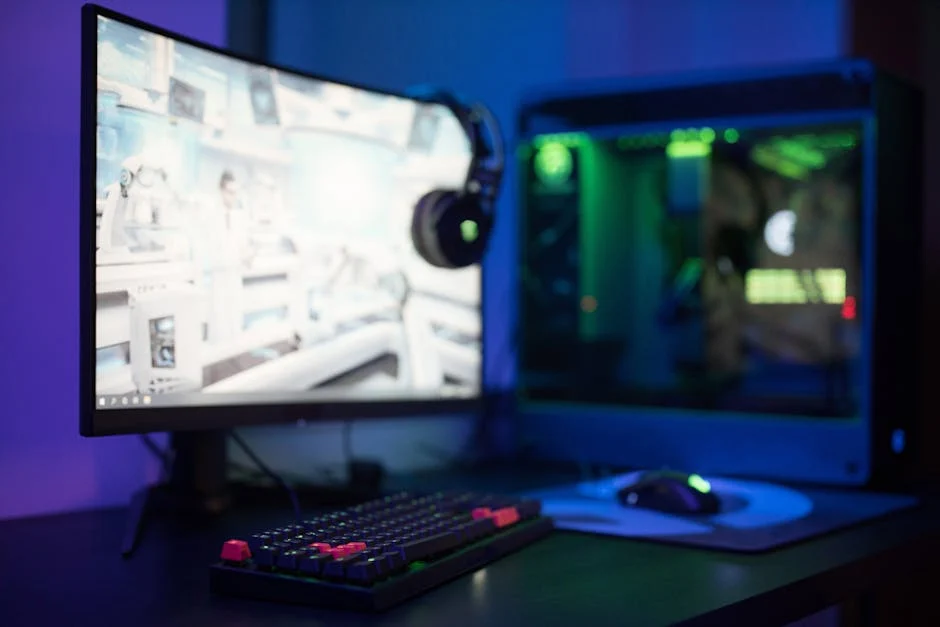
LG Electronics won more than 20 awards at CES 2025, including several top prizes. The awards cover everything from TV technology to gaming monitors to smart home devices. The company also announced something unusual: a gaming monitor that refreshes 1000 times per second—a first at Full HD resolution, which is the basic screen size most of us know from older displays.
Think of a monitor's refresh rate like frames in a movie. A standard monitor refreshes 60 times per second—like a movie shot at 60 frames per second. Gaming monitors go much faster: 144, 240, or 360 times per second. LG's new monitor hits 1000 refreshes per second, which is a jump that took years of engineering work to pull off.
What LG Actually Won
LG's OLED televisions won six awards, including one of the top prizes. That is worth noting because LG OLED TVs have won top honors at CES for three years running—and the technology has been winning awards every single year since 2013.
LG's gaming monitors also did well, picking up three awards including another top prize. The new 25G590B monitor runs at 1920 x 1080 pixels (standard Full HD) but hits that record 1000Hz refresh rate.
Beyond hardware, LG also won an award for the security features in webOS—the software that powers its smart TVs. And the company won recognition for ThinQ ON, a new AI-powered smart home hub that LG is building to compete with devices like Amazon's Alexa and Google Assistant.
Why the 1000Hz Monitor Matters
For professional gamers and esports players, faster refresh rates can matter. They see a clearer picture of what is happening on screen, which can help in split-second decisions. Getting to 1000Hz required improvements in how the monitor's electronics work and how quickly pixels can change color.
Here is the pattern we have seen before: when a new refresh rate milestone is reached, it shows up first at basic resolution—like Full HD. Higher-resolution versions come later, as manufacturing improves and costs drop. The same thing happened with 120Hz, 144Hz, and 240Hz monitors. LG is following that same playbook.
The broader context here is that refresh rates beyond 360Hz are useful mainly for professional players. Most casual gamers will not see a practical difference between 360Hz and 1000Hz, because human eyes and reaction times hit a point of diminishing returns. But the technology is real, and it shows what LG can manufacture.
The Bigger Picture
LG is not focused on just one thing. The company is investing across multiple areas at once: display technology, gaming gear, smart home platforms, and AI. That is different from a competitor like Sony, which concentrates mainly on entertainment and displays.
The cybersecurity award for webOS suggests that smart TV makers are now taking security seriously. As televisions become more connected to home networks and process more personal information, protecting them matters more. Some countries have strict rules about data protection, so this is becoming a real competitive factor.
LG's range of awards shows that the company is executing well across hardware engineering, software, and design. Whether these award-winning products actually sell well in stores depends on price, how they are distributed, and how quickly people decide to buy them. New technologies often take 12 to 18 months longer to catch on than you might expect.
The company is heading into the next phase of CES with strong momentum. We will likely see LG connect these award-winning technologies together and announce more products in gaming, smart home, and display categories.


