Trump Says an Iran Deal Looks Likely — Here's Why It's Complicated
On July 27, 2026, President Donald Trump told reporters aboard Air Force One that there was "a good chance" of reaching a deal with Iran. The New York Times published the report the next day, and Bloomberg also ran video coverage on July 27. The comments were a shift in tone from just weeks earlier, when the same setting on the presidential plane produced threats rather than optimism.
The White House has not published an official transcript or record of the Iran remarks from that flight. Its public statements index for July 27 lists a message about Korean War Veterans Armistice Day and a First Lady's announcement about Christmas volunteer applications, but nothing on Iran. The press pool report, written by Los Angeles Times correspondent Ana Ceballos, focused on a new color scheme for Air Force One and did not highlight the Iran comments. This means the Times and Bloomberg reports are the main records of what the president said.
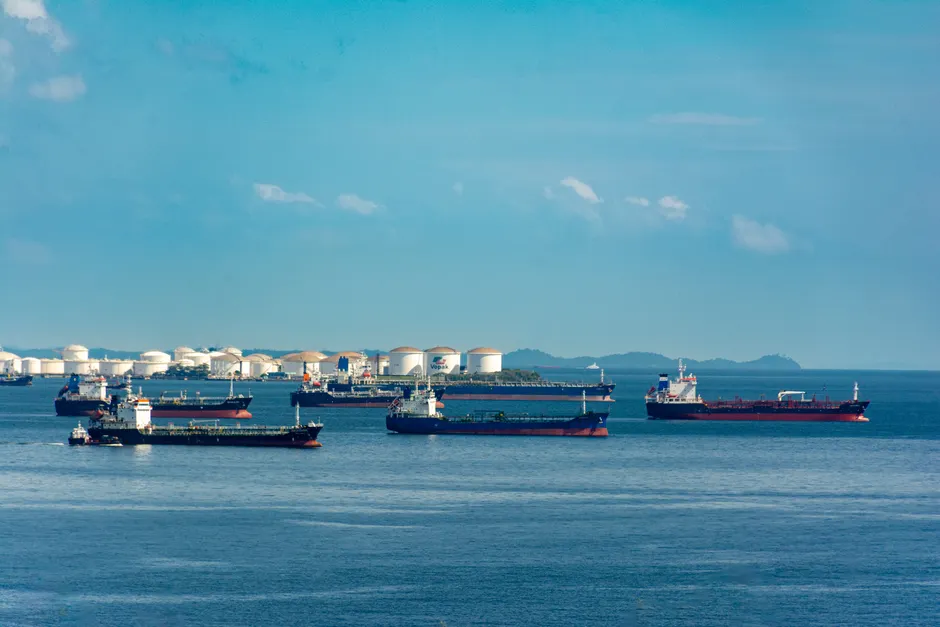
To understand why this matters, it helps to know what has been happening between the U.S. and Iran throughout 2026. In March, Iran blocked the Strait of Hormuz, a narrow waterway between Iran and Oman through which about a fifth of the world's oil supply travels. The White House called it an "oil shock." By mid-March, Trump said he had asked "about 7" countries to join a coalition to keep the Strait open, according to AP News. On April 8, the White House announced that a military operation called "Operation Epic Fury" had crushed the Iranian threat and that Iran had agreed to a ceasefire, meaning a halt in fighting, and to reopen the Strait.
In May, a White House fact sheet about agreements with China noted that both countries' leaders agreed Iran cannot have a nuclear weapon and that the Strait should reopen. On June 19, the White House published a release saying the deal would reopen the Strait and require Iran to give up its nuclear program.
But the path from June through July has not been smooth. On June 10, Reuters reported that Trump told reporters aboard Air Force One that the U.S. would attack Iran "very hard." The same report said Iran had shot down a U.S. Apache helicopter in the Strait of Hormuz. A July 23 White House policy statement said Iran had been attacking ships in the Strait since July 6. AP News reported on July 13 that Trump had spoken with reporters about competing U.S. and Iranian claims of control over the waterway.
The broader context here is a presidency that has swung back and forth between announcing deals and escalating military action, sometimes within the same month. The April release announced a ceasefire. The June release declared an agreement requiring Iran to give up its nuclear program. Yet between those two announcements, Trump was telling reporters the U.S. would attack Iran "very hard," and an American helicopter was reportedly shot down in the Strait. The July 23 policy statement confirms that Iranian attacks on shipping continued into July, meaning the fighting on the water kept going even as the White House announced diplomatic milestones.
Trump's July 27 expression of confidence in a deal is not arriving out of nowhere. It follows a pattern where official announcements of agreements have existed alongside ongoing military confrontation. The Strait of Hormuz has been at the center of every phase: the March blockade, the April ceasefire, the May and June deal announcements, and the July shipping attacks. You can think of the Strait as both the reason for the conflict and the measuring stick for whether things are getting better or worse.
What is not yet clear is whether the July 27 remarks reflect a new diplomatic effort, a restatement of the June agreement, or a shift in rhetoric after the July 6 attacks in the Strait. The lack of a White House transcript is notable because earlier Trump remarks to the Air Force One press pool, including the June 10 threat and the March comments about building a coalition, were picked up by news wires and eventually reflected in official statements. The White House has not yet published a formal record of the July 27 Iran comments, leaving the Times and Bloomberg as the sources of record.
In my view, the gap between the president's upbeat remarks and the absence of any official record is worth watching. Throughout 2026, the public has received major Iran updates from informal exchanges with reporters before any formal documentation followed, and the situation has swung from ceasefire to escalation and back within weeks. Whether this latest signal points to a real diplomatic breakthrough or another turn in a volatile cycle is something the coming weeks, and any eventual White House readout, will help clarify.


