GSK Is Spending £400m on a New Science Hub in Cambridge — Here's Why
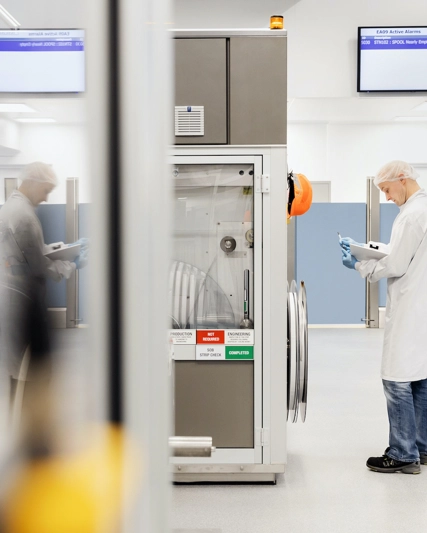
GSK, one of Britain's largest drug companies, will invest £400m in a new research centre on the Cambridge Biomedical Campus. The company announced the move on 28 July 2026 alongside its first-half results. The 300,000-square-foot facility will house more than 1,000 scientists and should be finished within three years, with the money spent across that period (Reuters; GSK press release).
GSK's older research site in Stevenage will close, and most scientists there will move to Cambridge. The company's global headquarters stays in London, separate from the new research centre (Reuters).
The announcement came with tougher numbers. GSK laid out a plan to cut £1.9bn in annual costs by 2029. It also said it wants to put at least 20 potential new medicines into late-stage trials in 2026 — double the 10 it had previously aimed for. The company confirmed a revenue target of £40bn-plus (The Guardian).
Late-stage trials, also called Phase III, are the final and most expensive round of testing before a drug can be submitted to regulators for approval. They involve thousands of patients and can take years.
Luke Miels took over as GSK's chief executive at the start of 2026. In about June 2026, the company completed a roughly £8bn purchase of Nuvalent, a US-based cancer drug specialist, to build up its cancer treatments (The Guardian).
A big reason for the push is GSK's HIV business. The company's most important HIV medicine, called dolutegravir, accounts for about one-fifth of all its sales. Patents — the legal protections that stop competitors from making cheaper copies — on dolutegravir expire between 2028 and 2030. GSK has said its profit margins will be "stable to improving" during that period (The Guardian).
GSK already spends over £6bn a year on research, so the £400m for Cambridge is more about putting scientists in one place than adding new spending overall (Reuters).
The Cambridge Biomedical Campus already hosts major research institutions, which means GSK will be close to university and hospital partners. Choosing to put its scientists there instead of keeping them spread across separate sites is a bet that having experts clustered together matters more than having lots of buildings in different places. Whether the company can move or hire 1,000-plus scientists without problems is something it will have to manage over the three-year build.
The wider picture is that the cost cuts and the Cambridge move are probably connected. Running one large site instead of several smaller ones is a common way to reduce overhead. At the same time, doubling the number of drugs entering late-stage trials puts pressure on GSK's teams, because each trial is expensive and things can go wrong.
Think of dolutegravir's expiring patents as a ticking clock. When the patents run out, other companies can sell cheaper versions, and GSK will lose a chunk of the revenue from a drug that currently brings in about 20% of its total sales. The company's claim that its profits will hold up depends on the new medicines in its pipeline turning into commercial successes — and that is exactly what the expanded trial programme is meant to deliver.
The Guardian's Nils Pratley, who wrote an analysis column on the Cambridge investment published on 28 July 2026, described the announcement as giving GSK some long-awaited positive momentum (The Guardian).