AstraZeneca Wants to Buy a Big US Drug Company. Here's Why It Matters

AstraZeneca, one of the UK's largest companies, is in talks to buy its American rival Bristol Myers Squibb in a deal that would create a pharmaceutical giant worth close to $400bn (£300bn), according to unnamed sources cited by the Financial Times, which first reported the talks on 3 August 2026 The Guardian.
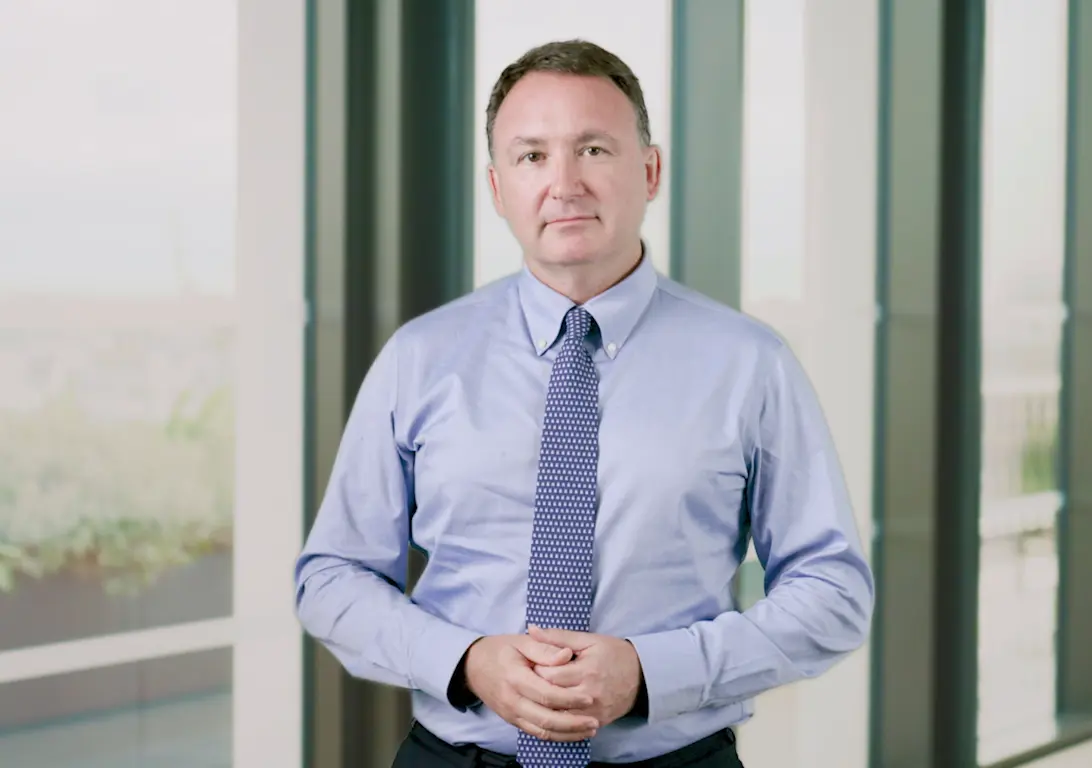
Talks between the two companies have been happening over recent months, but there is no guarantee they will lead to a deal. AstraZeneca is run by Pascal Soriot, its longtime chief executive. Under his leadership, the company's share price has more than quadrupled, and AstraZeneca overtook its UK rival GSK in size. It also rebuilt its collection of new drugs around cancer immunotherapies — treatments that train the body's own immune system to fight tumours.
If the two companies combined, they would become the world's fourth-largest drugmaker by market value. It would also be one of the biggest pharmaceutical deals ever. AstraZeneca, based in Cambridge, was the second-biggest listed company in the UK with a value of nearly £196bn before the news broke. Bristol Myers Squibb, based in Princeton, New Jersey, is worth $133bn and also makes cancer treatments.
When the news came out, AstraZeneca's shares dropped more than 7% to a low of £116.46 in early trading in London. That fall came just a week after AstraZeneca said it was confident of hitting its growth targets for 2030, expecting to reach $80bn (£60bn) in annual sales, up from $59bn the year before. A few days after that statement, BMS beat Wall Street expectations with its second-quarter results and raised its 2026 outlook.
The timing of the talks also follows a setback for AstraZeneca: a clinical trial failure for Wainua, its leading heart disease drug in development. That failure, combined with the company's optimistic 2030 targets, raises a key question at the heart of the potential deal. Can AstraZeneca keep growing on its own, or does it need to buy another company to fill the gap?
Chris Beauchamp, a market analyst at investment platform IG, pointed out that AstraZeneca had recently said it did not need to buy other companies to hit its targets. He also noted that both companies have large cancer drug divisions, which could be a major obstacle. When two companies sell similar products, government regulators may block the deal to protect competition — a process called antitrust review.
Bristol Myers Squibb has done big deals before. In 2019, it bought Celgene for $74bn after clearing US Federal Trade Commission requirements, saying the combination would save $2.5bn by cutting overlapping costs BMS Press Release, 2019. It has also bought smaller companies, including Turning Point Therapeutics, a San Diego-based biopharmaceutical company. That history shows BMS knows how to absorb other businesses, though a deal with AstraZeneca would be far larger than anything it has done before.
AstraZeneca itself was created in 1999 from the merger of a Swedish company called Astra AB and a UK company called Zeneca Group. In 2014, AstraZeneca fought off an unwanted takeover attempt — known as a hostile bid — from the US giant Pfizer, which had valued AstraZeneca at almost £70bn. Under UK rules at the time, Pfizer and AstraZeneca could resume merger talks after a three-month waiting period if AstraZeneca initiated them The Guardian, 2014. That moment has stayed central to AstraZeneca's identity, with Soriot arguing that staying independent would deliver more value for shareholders.
AstraZeneca has also been expanding its presence in the United States. It is already investing $50bn in research and manufacturing in the US by 2030, and in June it listed its shares on the New York Stock Exchange. Buying BMS would speed up that shift toward the US, which could raise questions about where the company is officially based and whether it still counts as a UK company.
The Telegraph reported on 2 August 2026 that AstraZeneca was plotting the $400bn (£300bn) merger, noting the deal would likely raise fresh questions over the company The Telegraph.
A combined AstraZeneca-BMS would merge two of the biggest names in cancer treatment. The overlap in their cancer drug portfolios is both the biggest hurdle and the strongest reason for the deal. Both companies have focused on drugs called checkpoint inhibitors — medicines that essentially take the brakes off the immune system so it can attack cancer cells — along with targeted therapies that go after specific parts of tumours. Joining forces would remove a competitor in some areas of cancer treatment while strengthening their combined resources in others. Regulators in Washington and Brussels will decide whether that combination is acceptable.
The share price drop, while sharp, tells us more about investor nerves than about the deal's logic. Large mergers are risky and hard to pull off. AstraZeneca's high share price, which reflects Soriot's strong track record of developing new drugs, gives the company valuable stock to use as payment. But using that valuable stock to buy a company with similar products could weaken the very drug pipeline that makes AstraZeneca worth so much in the first place.
Whether the talks move forward will depend on whether AstraZeneca decides its own growth path is strong enough — or whether joining forces with a US rival that just beat earnings expectations is too good to pass up.