The US Has a New Top Intelligence Official: Here's What to Know
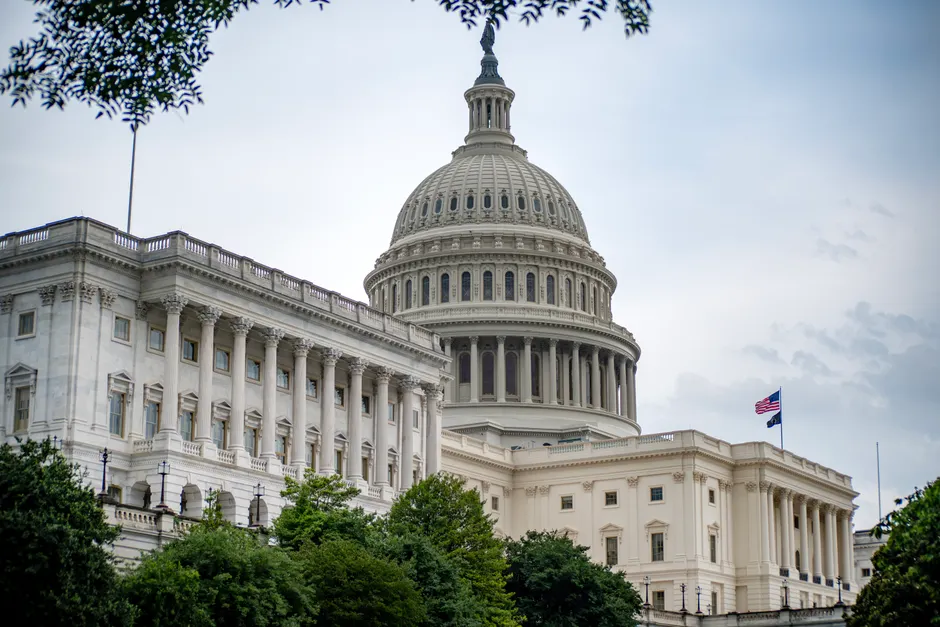
The US Senate confirmed Jay Clayton as the country's Director of National Intelligence on July 28, 2026. The vote was 51-47, with all Republicans voting yes and all Democrats voting no (The Guardian).
The Director of National Intelligence, or DNI, is the person who leads all of America's spy agencies. Think of the DNI as the head coach of a large team: each intelligence agency, like the CIA or the NSA, has its own players, and the DNI makes sure they work together and report to the president. Clayton replaces Bill Pulte, who was filling in temporarily after Tulsi Gabbard, Trump's first confirmed DNI, resigned (Congress.gov).
Getting Clayton confirmed was not a smooth process. President Trump personally stepped in to delay Clayton's confirmation hearing before the Senate Intelligence Committee, even though some Republican senators wanted it held sooner (The Washington Times). The hearing eventually happened on July 15, 2026 (Congress.gov). The Senate then started the formal steps to hold the confirmation vote on July 27, 2026, as recorded in the Congressional Record at page S4276 (Congressional Record).
Clayton's background is in financial regulation and law enforcement. He previously served as chairman of the Securities and Exchange Commission, which is the government agency that oversees financial markets, during Trump's first term. After that, he became the US Attorney for the Southern District of New York, one of the most powerful federal prosecutor offices in the country. The White House promoted his nomination in a June 16, 2026, press release headlined "Excellent Choice": Jay Clayton Earns Broad Praise as President Trump's DNI Nominee (The White House).
While leading the Southern District of New York, Clayton's office sent subpoenas, which are legal orders demanding information, to New York Times journalists. The journalists had been reporting on security concerns about Trump's Air Force One plane, which was a gift from Qatar. The government pulled back those subpoenas during a court hearing after a federal judge questioned an attorney from Clayton's office about mistakes and problems in how the case was being handled (The Guardian).
During his confirmation hearing, Clayton avoided answering questions about the 2020 presidential election and would not say that Trump lost it (The Guardian). Senate Democrats criticized him sharply for this. Senator Ron Wyden said Clayton was not qualified and would serve as the president's "election conspiracy win." Senator Adam Schiff issued a statement about the nomination on June 11, 2026 (Schiff.senate.gov).
The office Clayton is taking over has gone through big changes during the first months of Trump's second term. While Pulte was acting DNI, Trump declassified and released intelligence information to support false claims about the 2020 election. Pulte also carried out several rounds of staff layoffs at the Office of the Director of National Intelligence (The Guardian).
The broader context here is an intelligence community that has had three directors in about seven months. Gabbard's resignation, Pulte's short time as acting director, and now Clayton's confirmation add up to a pace of change that is faster than anything the ODNI has seen since it was created. The release of intelligence to support election-related claims under Pulte, along with Clayton's refusal to say Trump lost the 2020 election, points to a continuing tension between intelligence work and electoral politics. The party-line vote shows that Republicans and Democrats do not agree on what the intelligence community's role should be in domestic political disputes.
Clayton's record also raises questions about press freedom that may carry into his new role. The subpoenas against New York Times journalists, withdrawn after a judge found mistakes, happened on his watch. As DNI, part of his job involves overseeing how intelligence agencies interact with news organizations, so his approach will be watched closely.
Several questions now shift from the confirmation fight to the actual work. How Clayton rebuilds his office after the staff cuts will affect how well the agency can do its analysis. Whether he continues or stops the declassification practices seen under his predecessor will show how he views intelligence standards. And how he handles intelligence related to elections, given his own testimony, will be an early and important test of his time in the job.


