What Federal Officials Are Watching For in the 2024 Election
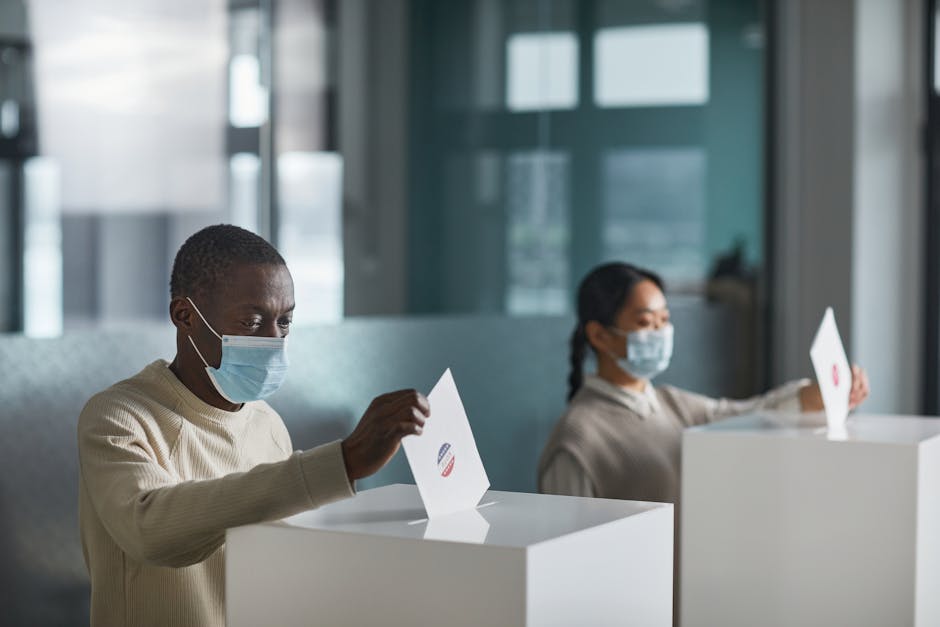
What Federal Officials Are Watching For in the 2024 Election
Federal agencies are tracking multiple security concerns as the 2024 election approaches. The Department of Homeland Security has identified three main risks: cyberattacks on voting systems, threats to election workers and officials, and fake information designed to mislead voters. Election security teams say this mix of old and new challenges is unlike anything they've managed before.
AI-Generated Fake Audio Arrives on the Campaign Trail
In February 2024, news outlets reported the first known case of artificial intelligence being used to create fake audio of a candidate's voice and release it during an election. This wasn't a prediction about what might happen—it actually happened.
Here is why this matters: Making a convincing fake recording of someone's voice used to require special equipment and months of work. Today, the same thing can be done on a computer at home in a matter of hours, using free or cheap software and just a few audio clips to work from. This makes it much easier for people to create and spread false information during an election, especially in the final weeks when there is little time to check if something is real.
Experts at major technology companies warned in late 2023 that multiple hostile countries might try to interfere with the 2024 election at the same time—something that has never happened before in a U.S. presidential race.
Federal Observers Will Monitor Polling Places
The U.S. Justice Department announced it will send federal observers to monitor voting in 86 election districts across 27 states on November 5. These observers will watch voting procedures and ballot-counting to ensure compliance with federal voting laws.
The monitoring will happen in places including polling sites in California and New Jersey, among many other locations. Federal officials describe this as routine oversight, not a response to specific security threats.
Concerns About Immigration Enforcement at Polls
A different concern has emerged around whether immigration enforcement agents might show up at polling places. Federal law makes this illegal—officers cannot interfere with elections or be stationed at voting locations.
A group of state election officials asked the Trump administration's choice to run Homeland Security to promise that immigration agents would not be deployed to polls during voting. Their worry centers on whether such a presence could intimidate people who are undocumented or have undocumented family members, making them less likely to vote.
Homeland Security officials said immigration enforcement would not focus on polling locations during elections. The White House added that President Trump has not discussed formal plans to send immigration agents to polls.
The underlying issue is coordination between different federal agencies. Immigration enforcement and election security are separate operations with separate legal authority. But when both happen in the same neighborhoods, they can create practical problems for election administrators trying to make sure all eligible people feel safe voting.
What Makes This Moment Different
Throughout American history, new communication technologies have created new ways to spread both truthful campaigns and false information. When radio became widespread, there were concerns about manipulation. When television emerged, the same worries appeared. Now it is artificial intelligence.
The key difference today is how easy it has become to create sophisticated fakes. In the past, spreading disinformation required large budgets, specialized expertise, and coordinated teams of people. Now a small group with modest resources can produce convincing fake videos and audio. This shifts what election security teams need to focus on.
The technical trend here appears likely to continue. Artificial intelligence tools are improving quickly while their cost is falling. Detecting fake audio and video will become more difficult, which means election officials will need faster ways to identify and respond to false claims when they appear.
Federal agencies are working together to address all of these issues—from computer security to protecting workers to fighting disinformation. How effective these efforts will be depends on how serious interference attempts actually become during the campaign.


