Utah County Approves Giant Data Center Project Backed by Shark Tank's Kevin O'Leary
Utah County Approves Giant Data Center Project Backed by Shark Tank's Kevin O'Leary
Box Elder County in Utah has approved a plan to build a massive computer facility across 40,000 acres. The project is called Stratos, and it's backed by celebrity investor Kevin O'Leary, known from the TV show Shark Tank. The facility will host artificial intelligence systems, cloud computing services, and equipment for defense purposes.
What Is This Project?
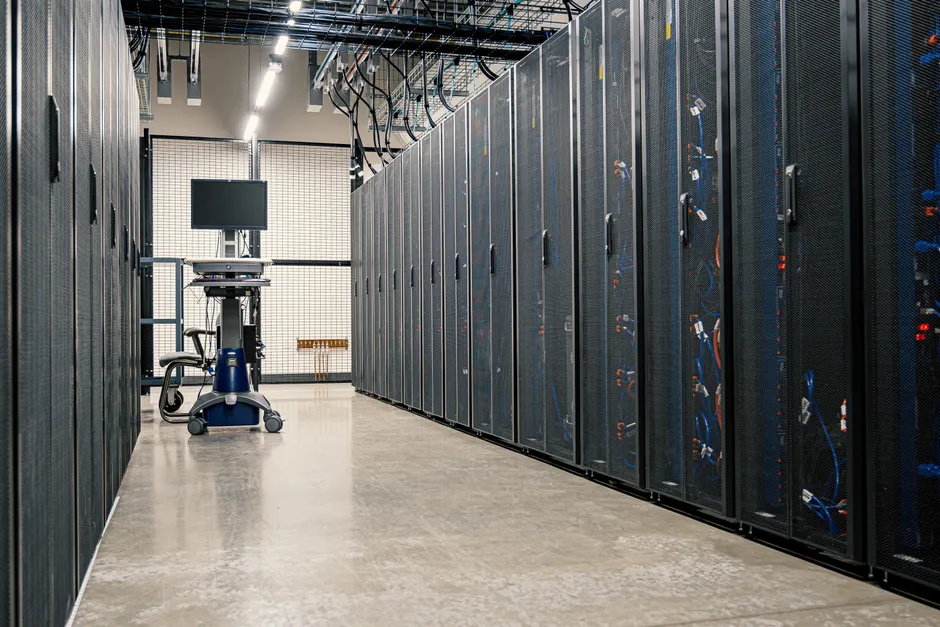
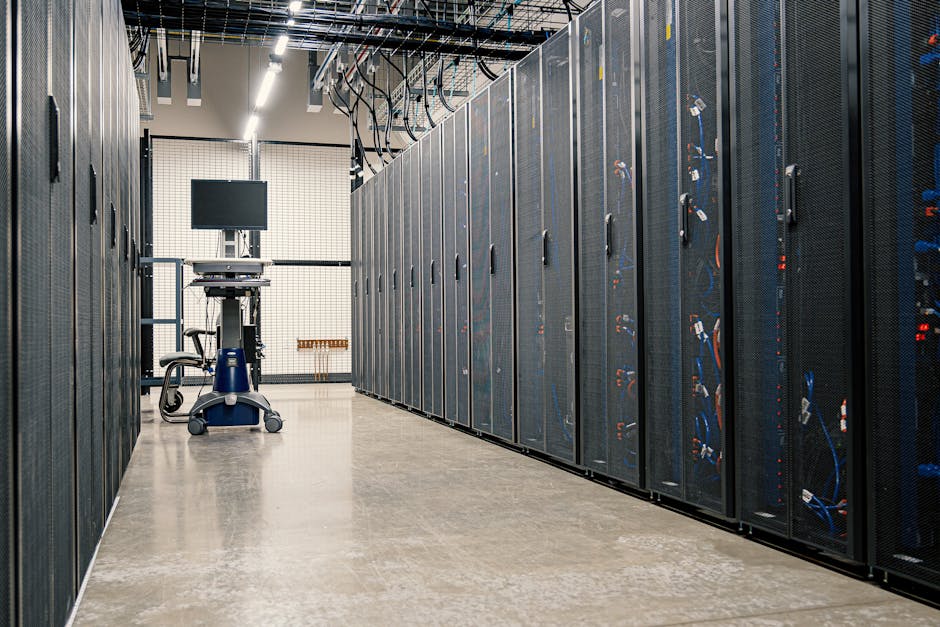
Think of a data center like a giant warehouse full of computers and servers. These machines store information and run software for companies and government agencies. The Stratos Project will be one of the largest of these facilities ever built in the United States.
The actual buildings will only cover a small portion of the 40,000 acres — the rest is being reserved for power generation systems, cooling equipment, and roads. Design firm Gensler is creating the master plan for how everything will be laid out.
This facility is being designed specifically to handle artificial intelligence workloads. AI systems, especially those that process and analyze information, require enormous amounts of computing power and energy.
How Did This Get Approved?
The Box Elder County Commission voted unanimously to allow the project to move forward. Before the vote, the commissioners reviewed more than 2,500 comments from the public. About 300 of those comments came from people who actually live in Box Elder County.
Some local residents raised concerns during public meetings. Despite this, the commission decided to support the project. After the vote, the three commissioners stopped giving interviews to news outlets, according to local reporting.
Where Will the Water Come From?
The data center will need about 3,000 acre-feet of water per year for cooling systems. That is a large amount, but the project was designed so it would not pull water from the Great Salt Lake — something that matters a lot to people in Utah, where water is scarce.
Instead, the water will come from sources already available on the land. This approach was important because Utah's reservoirs and underground water supplies are already under pressure from drought and population growth.
Why Does This Matter for Defense?
The project will serve both commercial customers and the U.S. military. This dual purpose means the facility will help power AI systems for businesses while also supporting national security operations. Utah already has military bases and aerospace companies in the state, so this data center fits into a larger strategy.
The government has been investing in data center capacity across the country because AI systems are becoming critical to defense and intelligence work.
Who Pays for Roads and Power Lines?
The developer will pay for all the infrastructure needed to run the project — including roads, power lines, and water pipes. In most projects like this, the cost of building these systems falls partly on taxpayers through their local government. Here, the private company is taking on that full financial burden, which saves the county money.
This is becoming more common with very large data center projects that need more power and resources than a typical town or city can easily provide.
What Comes Next?
Utah now has one of the largest data center projects in the country under way. The state could become a major player in hosting artificial intelligence systems, competing with places like Virginia and Texas that already have many large data centers.
The project still faces practical challenges. The company will need to upgrade the local power grid, build out fiber optic cables for high-speed internet, and recruit workers with technical skills. Some local residents remain concerned about traffic, noise, and changes to the rural landscape. The company will need to monitor water usage to make sure it stays within the limits set by the state.
Over the long term, this project could bring economic growth to Box Elder County and help establish Utah as a hub for technology and defense-related infrastructure.