Ride1Up Roadster V3: What Changed and Why It Matters
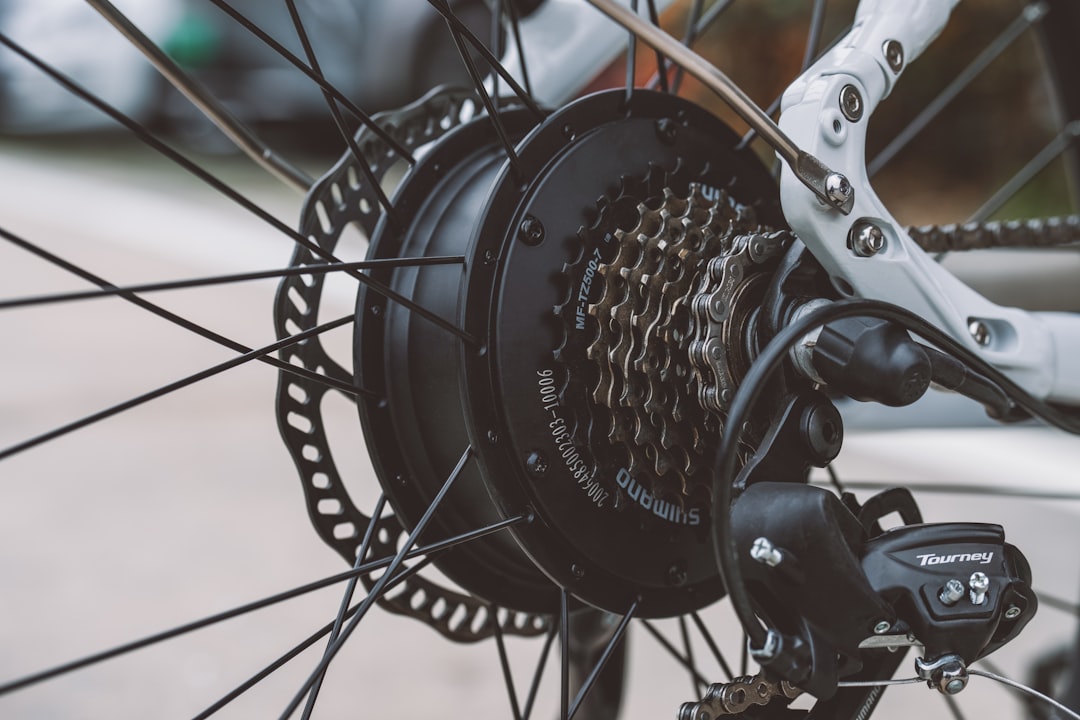
Ride1Up Roadster V3: What Changed and Why It Matters
Ride1Up, a California e-bike maker, has released a new version of its Roadster model with two key upgrades: a better power-delivery system and a choice between two different drivetrains. The bike is aimed at people who want a practical commuter e-bike without the premium price tag.
What's New Under the Hood
The Roadster V3 uses a 500W motor mounted in the rear wheel, which is the same basic approach as earlier Roadster models. The real change is the addition of what Ride1Up calls an Intui-Drive torque sensor.
That sensor measures how hard you are actually pressing the pedals, not just whether you are pedaling. Think of it like the difference between an elevator that opens as soon as you touch the call button versus one that opens faster the harder you push the button. The result is that the motor gives you more power when you pedal harder, less when you pedal lightly. Older e-bikes just counted how many times per second you pedaled, which could feel clunky.
The bike can go up to 28 miles per hour with the chain drive version, or 25 miles per hour with the belt drive version. Those limits are set by U.S. law for electric bikes that still count as bicycles.
Two Ways to Ride It
You can buy the Roadster V3 with either a traditional chain and gears (nine speeds) or a newer option: a carbon belt drive that works like a car timing belt.
The chain setup is familiar and easy to fix at any bike shop. The belt drive is quieter and needs less maintenance over time, but you have fewer gearing options to work with.
Both versions use hydraulic disc brakes, which give you strong, smooth stopping power even at the higher speeds an electric motor makes possible.
Why This Matters
The shift toward torque sensing on a mid-priced e-bike marks a real milestone. For years, this kind of responsive power system was found only on expensive models. Now the technology has become affordable enough that even reasonably priced bikes can have it.
This is a pattern we have seen many times before in tech. GPS navigation moved from luxury car options to something in every smartphone. Touchscreens did the same. As manufacturing improves and factories make more units, costs fall, and good technology spreads.
What this means for a potential buyer is simple: the riding experience feels more natural. You do not get jarring surges of power. Instead, the motor smoothly matches what you are doing with your legs.
The choice between chain and belt reflects something worth noting about the e-bike market right now. There is no single "best" type anymore. Instead, manufacturers are recognizing that different riders want different things. Some people want maximum flexibility and easy repairs. Others prioritize a quiet, low-maintenance commute. The Roadster V3 lets you pick which matters more to you.
The Bigger Picture
The e-bike industry has moved beyond asking whether these bikes work. It now asks how they should feel and what needs different riders actually have. The Roadster V3, with its torque sensing and drivetrain choices, is Ride1Up's answer to that shifted question.
As e-bikes become more common and rules around them settle down, the companies making them are competing less on basic features and more on refinement—on making the riding experience smooth and giving you choices that match how you actually ride.

