Why the UK Wants Datacentres to Pay Up Before Joining the Power Queue
Ofgem, the organisation that regulates the UK's electricity and gas markets, has proposed new rules requiring datacentre projects to pay significant upfront fees or provide financial guarantees before they can join the queue for a grid connection. The queue has grown to 315 projects representing 73 gigawatts (GW) of demand. To understand how large that is, the UK's entire peak energy demand is 45GW, meaning the queue alone holds far more demand than the whole country uses at its busiest moment, according to The Guardian. Reuters reported the proposals on July 28–29, 2026.
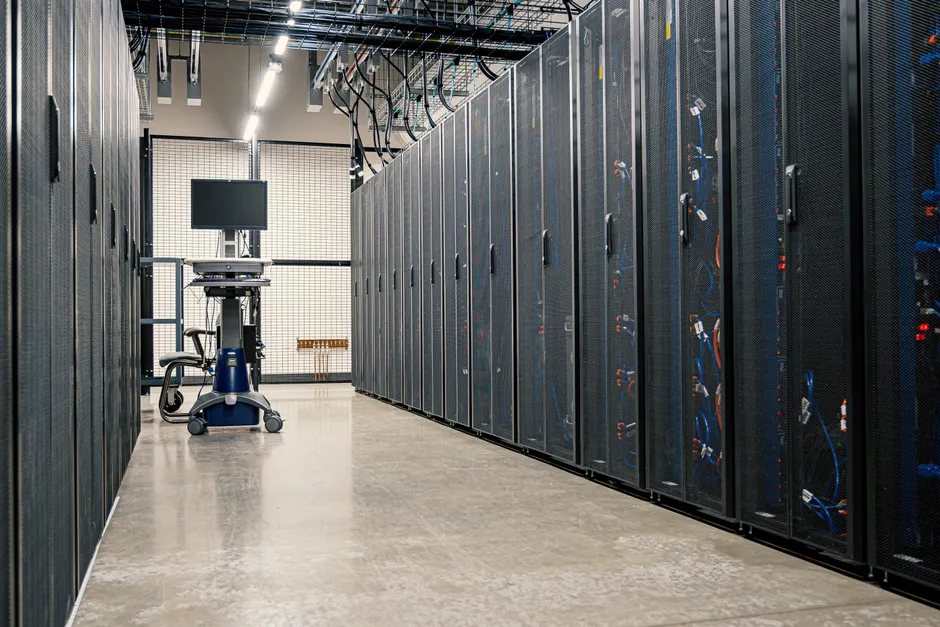
A datacentre is a large building filled with computer servers that store data and run online services. These facilities need enormous amounts of electricity to power the servers and keep them cool. When a company wants to build one, it has to apply to connect to the national electricity grid.
Under the new proposals, Ofgem would charge a commitment fee between £237,500 and £712,500 per megawatt of requested capacity. That works out to about 2.5% to 7.5% of the average cost of connecting to the grid. For large providers like Amazon and Microsoft, that could mean putting down around £350 million to reserve capacity for 500 megawatts. Developers can pay using letters of credit (a bank's promise to pay), bonds, or cash deposits. The money is required when a project receives a connection offer and returned when the datacentre is switched on.
The proposals also introduce what Ofgem calls "hard milestones" — specific targets a project must hit during the application process, such as securing customers and financial backing. Projects that fail to meet these targets would be removed from the queue. The full proposals will go through a consultation period, where interested parties can give feedback, before any rules take effect.
The queue has grown fast. In February 2026, Ofgem reported 140 proposed datacentres with a total demand of 50GW. Just five months later, that had grown to 315 projects and 73GW. Ofgem had already noticed the trend: it reported a "surge in demand" for connection applications between November 2024 and June 2025, with a large share coming from datacentres. In response, Ofgem published a document called "Demand Connections Reform: Call for Input" on 12 February 2026, signalling that the system was struggling to keep up.
The wait is long, too. For new datacentres in Great Britain, the average time spent in the grid connection queue is 8 to 10 years, according to an Ofgem document. Think of it like a restaurant where people reserve tables but never show up — the tables stay booked, and other customers cannot get a seat. In this case, speculative projects hold queue positions for years without actually building anything, blocking capacity that could go to projects that are ready to proceed.
This is not just a UK problem. The Uptime Institute, a research organisation, identified 250 datacentre projects worldwide exceeding 100MW in energy demand that were announced between 2021 and 2024. They estimate that half of those projects will either not go ahead or face major delays. That suggests the gap between what companies announce and what they actually build is a normal pattern in the industry, not a rare occurrence.
The scale of the mismatch is the key point. A queue holding 73GW of datacentre demand against a national peak demand of 45GW means that if every queued project were built, the UK would need to roughly double its current grid capacity. Even if only some of these projects are completed, the total demand from datacentres is growing in a direction that grid planners cannot ignore. Ofgem's fees and milestones are designed to make developers bear the cost of holding a queue position, so that only projects with real customers and real financing move forward.
The type of financial guarantee a developer uses matters. For large companies with strong credit (meaning banks trust them), the cost of a letter of credit is relatively small compared to the fee's face value. For smaller or newer developers, the same guarantee may be much more expensive or even unavailable. That means the proposed fees would hit hardest on the very projects Ofgem appears to be targeting: those without solid plans or funding.
The bigger picture is that the current system was not working. Queue times stretching toward a decade, and queued demand exceeding the entire country's peak electricity use, pointed to a setup that could not continue as it was. The consultation process will test how the industry responds, especially smaller developers who may argue these requirements make it too hard to enter the market. There are also practical questions about how Ofgem and network operators will check whether projects have met their milestones and settle disputes when those milestones are challenged. Ofgem has now put a price on joining the queue. What happens next depends on how that consultation unfolds.