Heathrow Passengers Will Pay for the Airport's Third Runway Planning — Here's How Much and Why
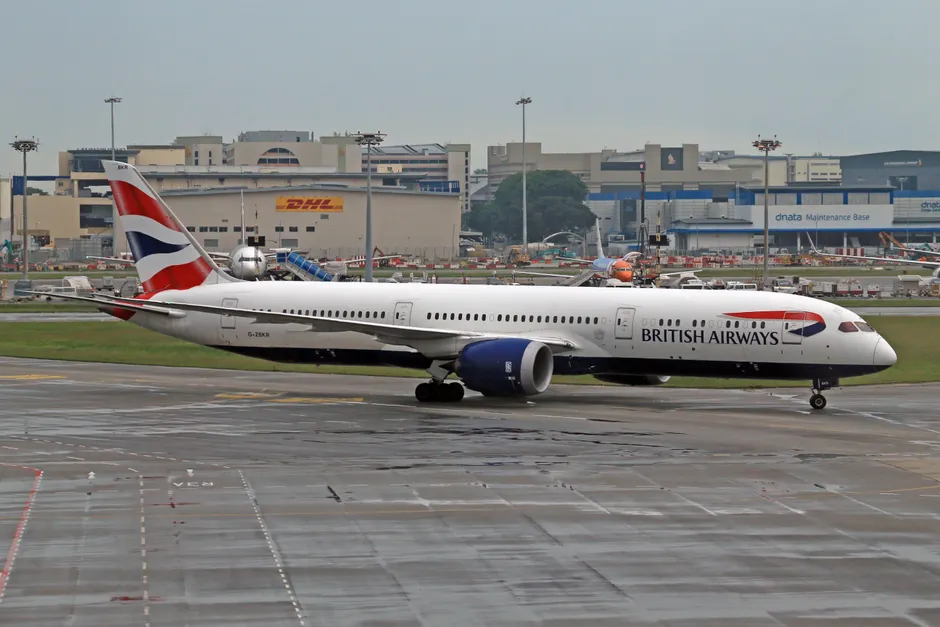
The UK's aviation regulator has said Heathrow Airport can recover £320 million it has spent so far on planning for a third runway, with that money to be collected from passengers through higher fares over roughly 20–25 years. The decision was announced on 29 July 2026. The amount is equivalent to about $425.2 million (The Guardian; MarketWatch).
The regulator — the Civil Aviation Authority, or CAA — sets rules for how much airports can charge airlines, and those charges get passed on to passengers through ticket prices. The CAA's final decision caps Heathrow's early expansion spending for 2025 and 2026 at £320 million. That matches the figure the CAA proposed in a draft decision in December 2025 (CAA draft decision). Heathrow Airport Limited (HAL), the company that runs the airport, had formally asked to recover about £320 million in a letter dated 31 July 2025 (CAA). A CAA consultation document had earlier estimated £71 million in early costs for 2025 alone, rising to £320 million over the current regulatory period (CAA).
The approved costs cover planning and design work needed to put together a credible expansion proposal. This includes preparing material for a future Development Consent Order, or DCO — the UK's formal approval process for large infrastructure projects (The Guardian). The CAA also allowed a rival expansion plan called Heathrow West, led by Surinder Arora, to recover £4.1 million it spent in 2025 up to 25 November — the date the UK government chose HAL's proposal as its preferred option for expanding Heathrow (The Guardian).
The impact on individual fares is small at first. The decision will raise the maximum airport charge per passenger by about 15 pence in 2028, rising to an estimated 30 pence in later years. The final effect on ticket prices will be decided in the next Heathrow price review (The Guardian; Travel Weekly). A separate process will handle expansion costs from 2027 onward.
The political background is busy. In mid-2026, the UK government opened a consultation on its national policy statement for Heathrow expansion, which lays out the conditions the project must meet to be approved. Then-chancellor Rachel Reeves had previously said she wanted construction to start during the current parliament and the runway to be finished by 2035 (The Guardian). Heathrow has proposed average passenger charges of £33.26 for 2027–2031, up from a claimed £28.46 in the previous period (BBC News).
Airlines have objected strongly. British Airways, Heathrow's biggest operator, warned that recovering costs this early would risk making expansion "unaffordable for consumers and inconsistent with a credible benefits case" (The Guardian). Virgin Atlantic said in its response to the CAA that Heathrow's forecast of early costs had risen from around £320 million to at least £400 million after its initial submission (CAA consultation response). Airlines and hoteliers had also separately called for changes to Heathrow's funding model before any money goes into a third runway (BBC News).
There is also a regional divide. Andy Burnham, mayor of Greater Manchester, has said he is concerned that Heathrow expansion pulls infrastructure investment away from northern England and toward London (The Guardian).
The CAA's director of consumers and markets, Tim Johnson, oversees the rules under which these decisions are made (The Guardian).
The broader context here is that this decision is really a first step in figuring out who pays for a third runway. Think of it like a city approving the design fees for a new bridge before deciding whether to build it — the design costs get added to the eventual toll, even though construction has not started and might not be approved. The £320 million cap covers only 2025–2026 spending. The actual construction, planning application, and related costs will be far larger, and the CAA has said a separate process will handle costs from 2027 onward. The gap between Heathrow's original £320 million estimate and Virgin Atlantic's evidence of a revised figure above £400 million suggests that keeping costs under control will be a major point of contention, especially if spending keeps rising before the planning process finishes.
There is a built-in tension in what the CAA is doing. Letting Heathrow recover costs early reduces the airport's financial risk and encourages it to keep moving toward a formal planning application. But it also means passengers start paying before a final decision has been made on whether the runway will actually be built. Airlines argue this puts the cost on consumers before the project's benefits have been tested through the planning system. The government's consultation on what conditions the project must meet is still open, but the CAA has already started shaping the financial path. How these two processes — the planning conditions and the price controls — work together will determine whether the third runway stays viable in the years ahead.


