Someone Found Rare Nintendo Game Consoles Still Plugged In at a Japanese Love Hotel
A person who preserves old Nintendo hardware, known online by the name Orochi, has discovered several working Nintendo Famicombox consoles still installed in a Japanese love hotel. The hotel's name was not shared publicly (Engadget).
The consoles were found in every room of the hotel except one. According to Engadget's July 29 reporting, they were fully operational, with nearly all installed games playable. The only exception was shooting games that used the Nintendo Zapper light gun. The Zapper works by detecting a flash of light on old-style CRT televisions, the big, boxy kind that scan their picture line by line. Modern flat-screen TVs draw the whole image at once, so the gun's sensor never picks up the signal it was designed to look for.
Orochi originally posted the discovery on X (formerly Twitter), where the post went viral. Automaton Media was the first outlet to report on the find, publishing on July 24 (Automaton Media). Eurogamer followed on July 28 (Eurogamer), and Kotaku covered the story on July 25 (Kotaku). GoNintendo also picked up the story.
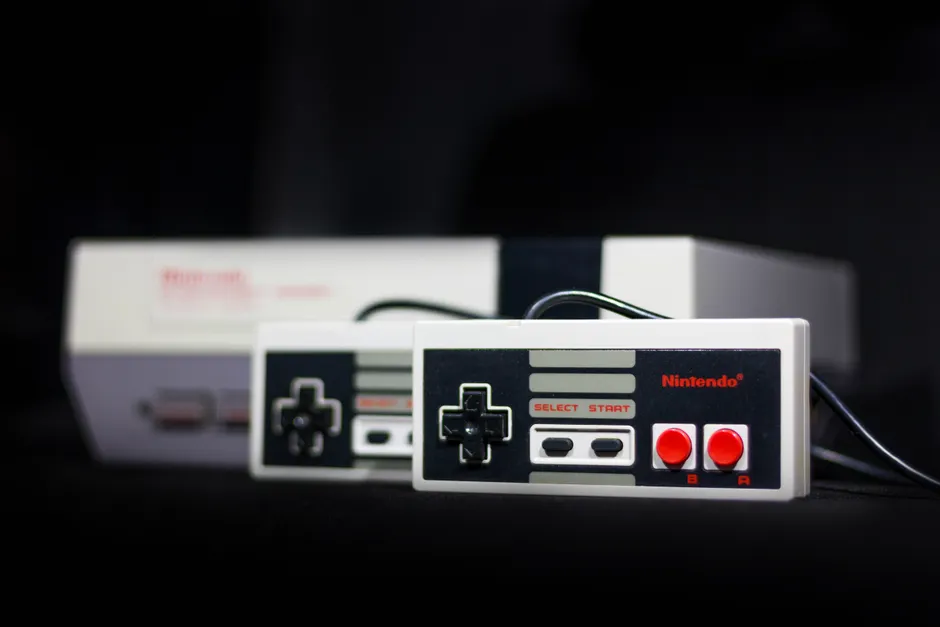
The Nintendo Famicombox was a special version of the Famicom, Japan's equivalent of the Nintendo Entertainment System (NES), released in 1986 and built specifically for hotels. It could hold up to 16 game cartridges at once inside the machine, so guests could pick from a menu of games on screen without swapping cartridges by hand. This design helped prevent theft and wear in a hotel setting. Interestingly, the Famicombox used the same controllers and cartridge format as the Western NES, even though it was only ever used in Japan and never sold in stores.
For people who collect and preserve old game hardware, this discovery is a big deal. The Famicombox was never sold to regular customers, so working units are hard to find. Finding a whole hotel's worth of them, still wired in and still playing original game cartridges, is the kind of discovery that usually only exists as an unverified story passed between collectors. The consoles have been running for about 40 years, which says a lot about how well-built the original Famicom hardware was, the same design that made the consumer Famicom and NES famously durable.
Automaton Media noted that the discovery brought back an old urban myth about Nintendo and love hotels. Before Nintendo became a video game giant, the company tried various leisure businesses in mid-20th-century Japan. The myth, partly based in fact and partly grown through decades of retelling, has long circulated in gaming communities. Finding an actual Nintendo device installed in a love hotel gave the legend a real, physical object to attach itself to.
The Zapper incompatibility is more than a small detail. Light gun games depended on the specific way CRT televisions draw their picture: the Zapper's sensor looked for a bright flash drawn at a precise moment during the TV's line-by-line refresh. LCD screens refresh everything at once instead of scanning line by line, so that moment the Zapper needed never happens. This is the same problem that affected anyone who tried to play "Duck Hunt" on a modern flat-panel TV, and it means some of the games on these consoles simply cannot be played without an old CRT television.
The broader context here is about survival and luck. Hotel hardware from the 1980s has been disappearing for decades as buildings get renovated and old equipment gets thrown out. That an entire set of these consoles survived, unmodified, into 2026 is unusual. Most Famicombox units that collectors have came through decommissioning or secondhand sales, often missing their original cables, cartridge holders, or the setting they were installed in. These units still have all of that. For anyone interested in Nintendo's history or how hotels once provided entertainment to guests, a complete, original installation like this is far more valuable than a lone console sitting on a shelf.
Orochi has not revealed the hotel's name, which is probably intentional. Love hotels in Japan operate with a strong expectation of privacy, and public attention could disrupt the hotel's business or lead to the hardware being removed. Whether the consoles stay where they are or a preservation group gets involved is an open question that none of the coverage so far has answered.


