The Fed Kept Interest Rates Unchanged — and Gold Jumped. Here's What It Means for You.

The Federal Reserve voted on July 29, 2026 to keep its key interest rate between 3.5 and 3.75 percent. Nothing has changed on that front since the start of the year. Federal Reserve
The Fed's key interest rate is called the federal funds rate. It's the rate banks charge each other for overnight loans, and it influences nearly every other interest rate in the economy — from what you earn on savings to what you pay on a credit card or mortgage.
In a companion move, the Fed's Board of Governors voted unanimously to keep another rate — the interest rate paid on reserve balances — at 3.65 percent. That's the rate the Fed pays banks for cash they keep parked at the central bank. It sits just below the top of the target range, which helps keep the whole system steady. Federal Reserve
The rate has stayed the same through all of 2026. A report the Fed published on July 10 confirmed the range has been locked at 3-1/2 to 3-3/4 percent since January, making the July decision a continuation rather than a new direction. Federal Reserve
Fed Chair Jerome Powell held a press conference after the decision on July 29. Federal Reserve
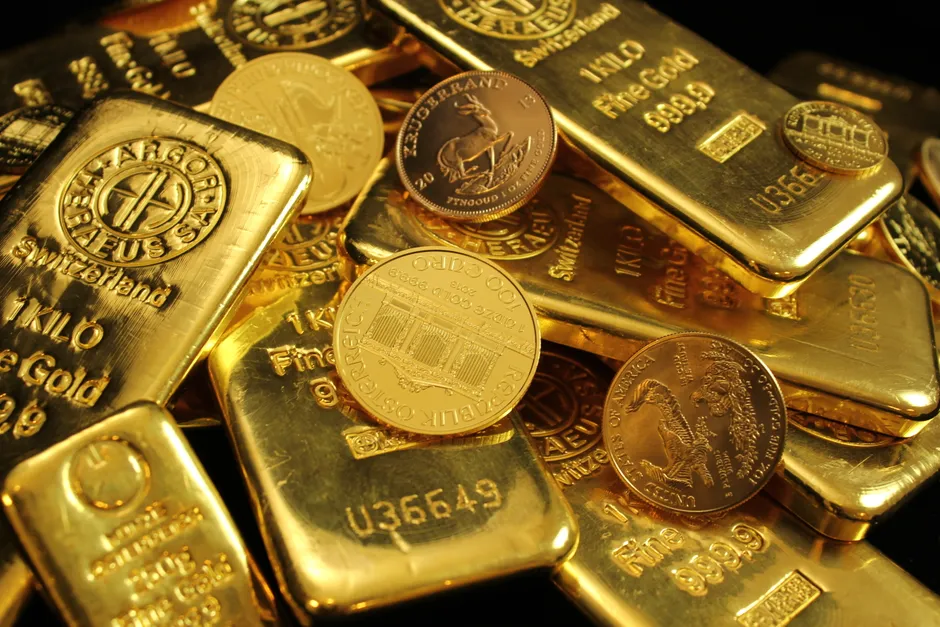
Gold prices jumped on the news, rising about 2 percent on July 29. By 2:55 p.m. ET, gold was up 1.9 percent at $4,101.99 per ounce. Reuters
Why would gold rise when rates don't change? Think of it this way: gold doesn't pay interest, so when people expect rates to fall, gold becomes more attractive because the opportunity cost of holding it drops. The fact that gold jumped roughly $80 per ounce suggests some traders had been betting on a rate cut that didn't come. When it didn't happen, they moved money into gold instead.
For everyday savers, the practical effect is straightforward. Money market funds and high-yield savings accounts continue to offer returns tied to that 3.50–3.75 percent range. For borrowers, variable-rate credit cards, adjustable-rate mortgages, and similar loans remain priced off a rate that hasn't moved in seven months.
The unanimous 7–0 vote on the reserve rate is worth noting. When every member of the Board agrees, it removes any public sign of disagreement about the direction of policy. In this case, it suggests the Fed sees no urgent reason to raise or lower rates anytime soon.
For professional investors, the big question is how to position for a prolonged hold. With rates steady, short-term government bonds and similar investments continue to earn a predictable return. The gold rally signals that some investors were caught off guard — positioned for a rate cut they didn't get. How quickly they adjust those bets will be the thing to watch in the days ahead.
On a technical note, anyone trying to track down old Fed press releases online may find the archive page at federalreserve.gov/newsevents/pressreleases.htm organized by year from 2006 through 2026. The page needs JavaScript enabled to show the full list of releases; without it, you'll only see year labels. The page footer says "Last Update: March 13, 2017," even though new releases keep getting added — meaning that footer hasn't been refreshed in nearly a decade.