Long-Term Borrowing Costs Just Hit a 19-Year High — Here's What Happened
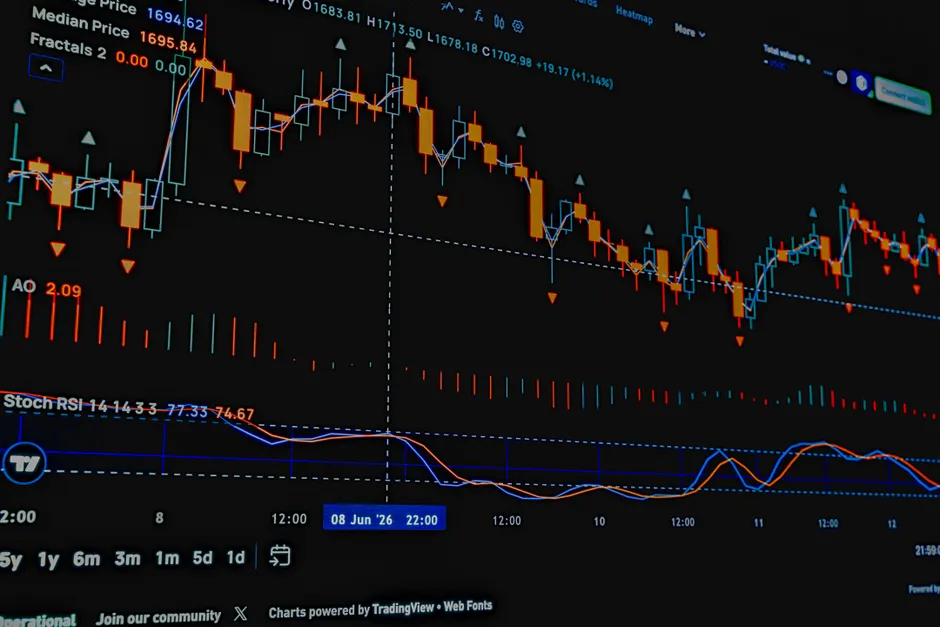
The interest rate on a 30-year U.S. government bond reached 4.699% on July 30, 2026, the highest level in 19 years. When you buy a bond, you are lending money to the government, and the yield is the return you get. When yields go up, it means bond prices are falling — investors are selling. Two things drove this jump: the Federal Reserve decided not to change interest rates, and oil prices shot higher.
The selling actually started the day before. When the Fed announced its decision on July 29, the 30-year bond yield jumped 11 basis points right away, according to WSJ's live coverage. A basis point is just a tiny fraction of a percentage point — 100 basis points equals one full percentage point. Fed Chair Kevin Warsh held a press conference that day that made investors nervous. When a central bank pauses rate changes, investors usually want to hear a clear explanation of why. They did not seem to get one.
Here is why this matters for everyday finances: 30-year bond yields help set the cost of long-term borrowing. Mortgages, auto loans, and business loans tend to track these rates. When the 30-year yield rises, borrowing gets more expensive for regular people and companies alike.
On July 30, the 30-year yield rose another 3 basis points to 5.23%, according to Swissinfo. The most recent WSJ figure showed 4.699%. The difference likely comes from capturing the rate at different times during the trading day.
Stock market futures were calm overnight. At 2:05 AM ET on July 30, Dow futures stood at 51,793, up just 28 points, WSJ market data showed. Amazon traded at $226.65, down $4.21 or 1.82%. The stock market's quiet response was striking compared to the big moves in bonds and oil.
Oil prices jumped sharply, adding to worries about inflation — the general rise in prices over time that makes your money buy less. In early European trading on July 30, Brent crude rose 1.8% to $92.42 a barrel, while WTI crude rose 1% to $85.29, WSJ reported. WTI later rose to $85.77, up 1.55% from the prior day, according to Trading Economics. Over the past month, oil prices had climbed 25%.
The oil rally had a real-world driver behind it. On July 30, WSJ reported that stored oil supplies fell by 7.2 million barrels. That is a big drop. When supplies shrink, buyers expect oil to get scarcer, so prices go up. Higher oil costs filter through the economy into gas prices, shipping costs, and the price of goods on store shelves.
The broader picture is a market caught in a squeeze. The central bank has stopped changing rates but made investors nervous doing it. Long-term bond yields are at their highest in almost two decades. Oil is getting more expensive with supply data backing the trend. When inflation rises, lenders demand higher yields to compensate for the fact that the money they get back will buy less. That pushes bond yields up — which is exactly what happened here.
The stock market's overnight calm may be misleading. Historically, when long-term bond yields spike alongside rising oil prices, stock markets tend to react after a delay rather than right away. The bond selling that started on July 29 and continued on July 30 suggests investors are questioning whether the Fed's pause makes sense.
The thing to watch is whether the 30-year bond yield stays above 4.70%. If it does, and oil remains above $85 a barrel, it would signal that markets expect inflation to stay high. That could eventually push up costs across the economy — from mortgages to credit card interest to business loans. The oil supply drop and month-long price surge provide the pressure. The Fed's messaging provides the uncertainty. How those two forces play out in the coming days will tell us whether this is a temporary scare or the start of a longer shift toward higher borrowing costs.


