Two Big Bond Trading Platforms Just Joined Forces — Here's What Changed
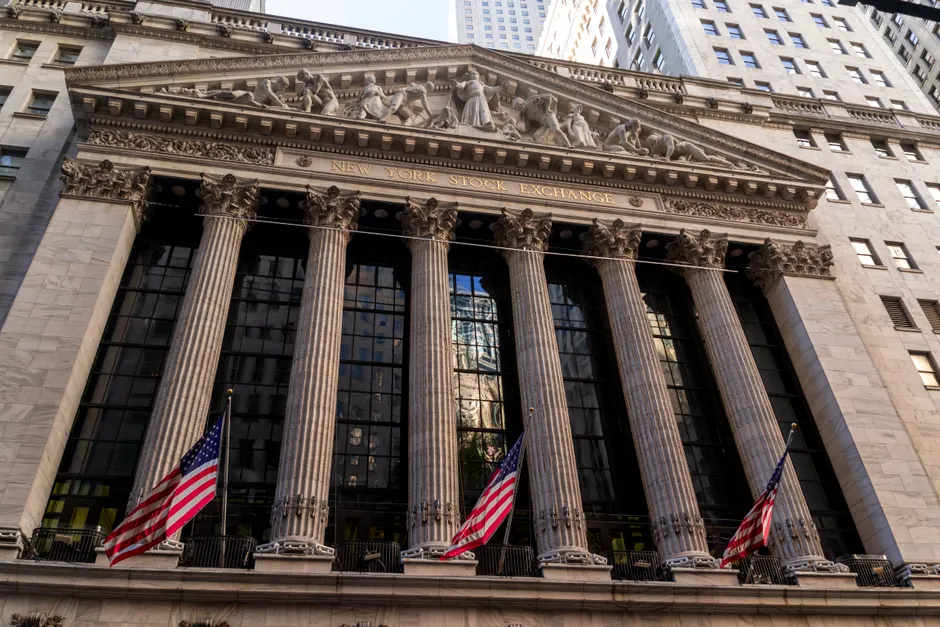
Intercontinental Exchange (NYSE: ICE) and MarketAxess took two steps in 2024 to work more closely together in the bond market: they connected their trading networks and launched a new investment product called a futures contract.
In August 2024, ICE Bonds, a unit of Intercontinental Exchange, and MarketAxess linked their respective trading networks to bring greater efficiency to both municipal and corporate bond markets (MarketAxess Investor Relations). Think of it like two separate stock exchanges agreeing to share their buy and sell orders with each other. The linkage joined ICE Bonds' electronic trading venues with MarketAxess's platform, targeting better pricing and smoother trades for participants trading municipal and corporate debt.
Four months later, in December 2024, ICE launched MSCI MarketAxess Tradable Corporate Bond Index Futures, a product designed to help investors hedge corporate bond exposure (ICE Investor Relations). A futures contract is an agreement to buy or sell something at a set price on a later date, traded on an exchange. Hedging means using that contract to offset potential losses in a bond portfolio. This futures contract is built on an MSCI index that uses actual MarketAxess trade data, meaning real executed trades shape the index's pricing.
The order of these moves matters. Connecting the trading networks first created a shared pricing foundation. The futures product then built on that foundation by turning the MarketAxess-based index into something investors could trade on an exchange to hedge their bond holdings. For corporate bond portfolio managers, the appeal is clear: corporate bonds have never had a widely used, exchange-traded hedging tool the way government bonds do. A futures contract based on real corporate bond trades, rather than estimates or dealer quotes, could help close that gap.
The open question is whether enough investors will actually use the new futures contract. Corporate bond index futures have struggled to catch on before. The CME tried something similar with limited success, partly because the corporate bond market is spread across thousands of different companies and maturities, making it hard to build an index that tracks the market accurately. The MSCI MarketAxess version tries to solve this by using real trade data from a platform that handles a large share of electronic corporate bond trading. Whether that advantage draws enough trading volume is something we will learn over the coming months.
The network connection matters beyond the futures product. Municipal bond trading is split across competing electronic platforms, which means buyers and sellers are scattered. Connecting ICE BondDesk and MarketAxess pools those buyers and sellers together, which could narrow the gap between buying and selling prices and help smaller trades get filled. The municipal bond market, with its huge number of unique issuers and limited dealer capacity, is exactly where combining trading networks could help the most.
The practical concern for anyone using the futures contract is whether it will actually track the bonds they own. A hedging tool only works if it moves in step with the portfolio it is meant to protect. The MSCI MarketAxess index is built from real executed trades, a design choice aimed at keeping that tracking as tight as possible. But it will take time to gather enough data to know whether the futures contract and the bond portfolios it is meant to hedge actually move together.
What we don't yet know is whether these two steps point toward a deeper partnership or even a merger between ICE and MarketAxess. The 2024 initiatives — the network connection and the co-branded futures product — are consistent with gradual collaboration. They are also consistent with a path toward consolidation. The corporate bond market's electronic trading infrastructure has been consolidating for years, and larger trading networks tend to work better than smaller ones.


