A Teen Lifeguard Saved a Boy From Big Waves — and the President Noticed
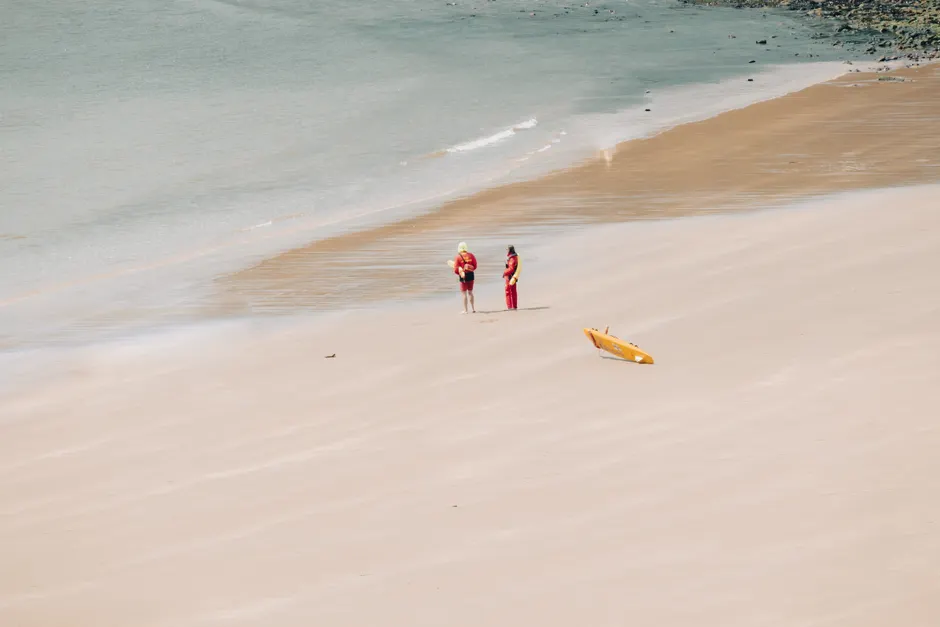
A 16-year-old lifeguard named Ryder Williams rescued 10-year-old Nathaniel Rai after the boy was pulled into the ocean by 8-to-10-foot waves at Seabright Beach in Santa Cruz, California, on Saturday, July 25, 2026. A photographer named Scott Vander Dussen caught the rescue on video and posted it to his Instagram account "Santa Cruz Now." The video spread widely online, and President Donald Trump publicly invited Williams to visit the White House.
Williams called in the emergency on his radio after seeing Nathaniel lose his balance in ankle-deep water. The boy had been pulled about 15 yards (13.7 meters) out from shore before Williams reached him, according to California State Parks. The video shows Williams diving into a wave while holding onto Nathaniel. Another lifeguard, Luke Polonchek, also swam out and brought the boy to shore before going back in to help. Some bystanders jumped in too, though Williams told them to go back to shore for their own safety.
Nathaniel told his father, Sumit Rai, that he "drowned" and "went unconscious" during the incident. Sumit Rai said Nathaniel got sand in his lungs and was coughing it out after reaching shore. California State Parks said in a statement that Nathaniel had no serious injuries and was released to his family after a medical check. Sumit Rai said his son is now struggling with psychological trauma, including trouble sleeping.
Sumit Rai was in Dallas, his home city, when it happened. He found out from his kids on the phone that evening and watched the rescue video the next morning, Sunday, July 26. He has since reached out to Williams directly. "What he did, I can never ever repay. I'm forever grateful," Rai told the Associated Press on Wednesday, July 29 (The Guardian).
Williams had been preparing for a moment like this for years. He could swim on his own by about age six and went through years of junior lifeguard training before joining the California State Parks lifeguard academy. He finished the academy even after fighting through four days of fever. Williams also plays water polo in a position called hole set, where he constantly pushes off opponents in the water. His father, Shane Williams, is a retired firefighter. His mother, Shannon Johnson, works as a marine science research technician. Shane Williams told the New York Post that the family had not heard from the Trump administration officially about the White House invitation. He also said Ryder does not use social media.
The July 25 rescue was one of 34 rescues reported by the lifeguard district that weekend, according to state officials. Seabright Beach is about 60 miles (100 km) south of San Francisco.
President Trump posted on X that he would give Williams a "high civilian honor" and invited him and his family to the White House. But the family had not received any official communication from the administration about the invitation as of the most recent reporting.
The broader context here is how a single rescue video, shared across social media and then amplified by a president's post, can turn a local emergency into a national story almost overnight. The Trump administration said publicly it would honor Williams, but had not followed up with the family in an official way at the time of reporting. That gap between a public announcement and actual follow-through is typical of decisions driven by social media rather than the usual government process.
The rescue also happened during a very busy weekend for the Santa Cruz-area lifeguard district. Thirty-four rescues in one weekend suggests surf conditions were intense enough to stretch the lifeguard staff. Williams's performance at age 16 adds to an ongoing debate about whether teenagers are old enough and trained well enough to work as state beach lifeguards in California.
For Nathaniel Rai, the physical recovery is mostly complete. The psychological aftermath, his father says, is just beginning.


