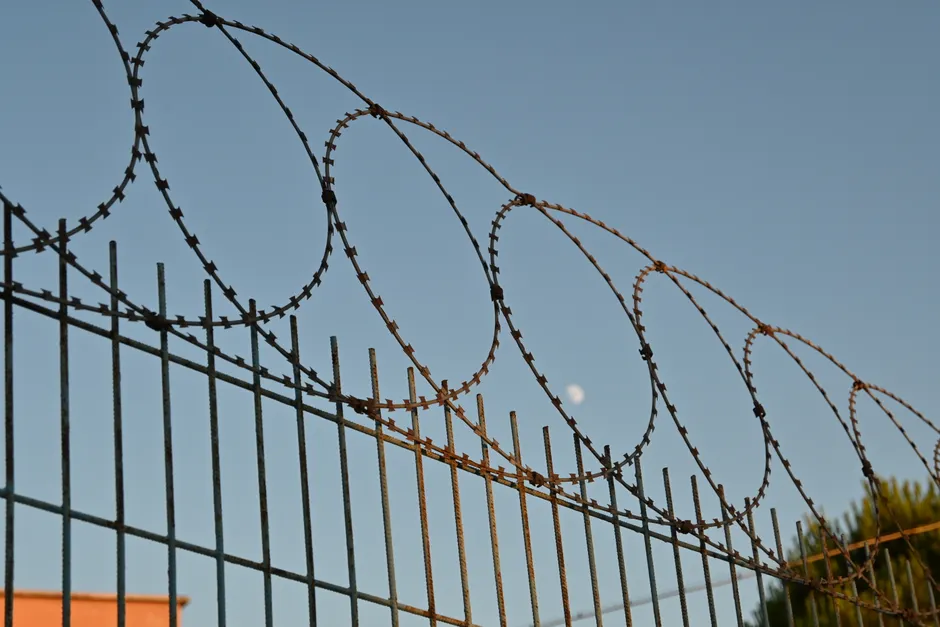
Why Spain Sent Soldiers to Its Border After Thousands of Migrants Crossed
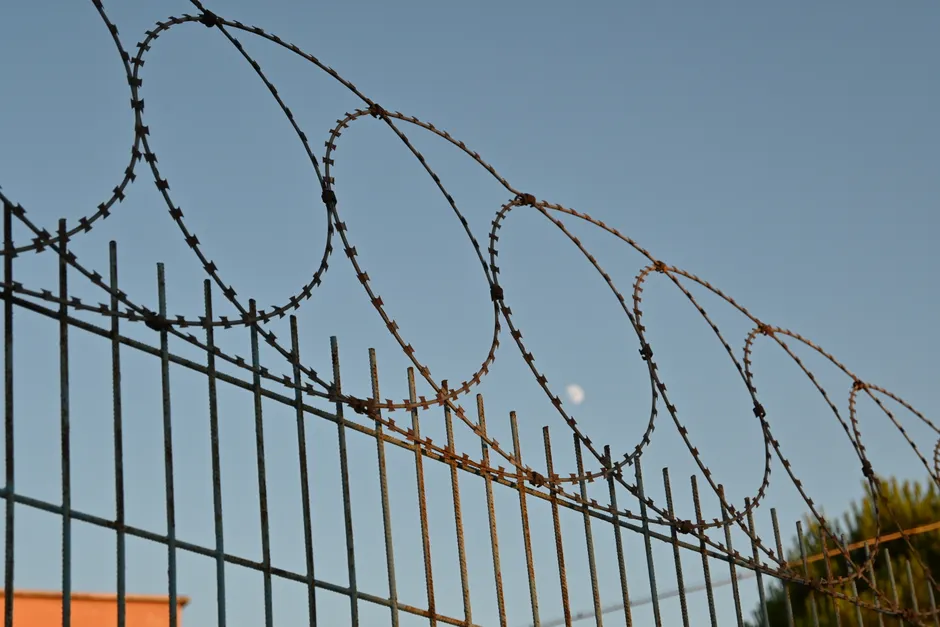
Between 2,000 and 3,000 migrants crossed from Morocco into Spain's North African city of Ceuta on July 30, 2026, according to news reports (Washington Post; Reuters). They crossed on foot via a breakwater — a wall built into the sea — at the border, Spanish reporting says (Heraldo). Spanish authorities said most were Moroccan nationals who entered without permission (Chicago Tribune).
The local government in Ceuta asked Spain's national government in Madrid to send the army and close the border with Morocco (Reuters). Spain confirmed the military deployment, saying it was needed to restore order at the border (Washington Post; Seattle Times).
This did not happen out of nowhere. In the week before July 30, about 1,500 migrants had already reached Ceuta by swimming around the coastal border (Reuters). The leader of Ceuta's government warned of a humanitarian and security emergency on July 30, citing these arrivals (Reuters; Reuters).
The numbers were already high this year. Spanish government figures show nearly 3,000 migrants had entered Ceuta by land or sea in 2026 as of July 15 (Seattle Times). The July 30 crossing roughly doubled that total in a single day.
Ceuta is a Spanish city on the coast of North Africa. It shares a land border with Morocco. Because Ceuta belongs to Spain, it is also part of the European Union, making it part of the EU's outer edge. That gives the border strategic importance for Europe. Spain and Morocco normally cooperate on keeping the border secure, and Moroccan authorities have acted before to stop mass crossings. The decision to send the military, rather than relying on the Civil Guard — the police force that usually patrols this border — suggests the scale of the crossing was too large for normal operations.
The broader context here helps explain what may come next. When Morocco has previously loosened its border controls, large numbers of migrants have quickly entered Ceuta and Melilla, Spain's other North African city. The clearest example was May 2021, when a diplomatic dispute between Madrid and Rabat, Morocco's capital, led Moroccan border guards to ease controls. About 8,000 migrants entered Ceuta in roughly 48 hours. Most were sent back under an agreement between the two countries, but the episode showed how much Spain depends on Moroccan cooperation to keep its border secure.
The people crossing on July 30 were mostly Moroccan nationals. In earlier surges, many of those crossing were from countries south of the Sahara Desert. A mostly Moroccan group raises a different set of issues: sending Moroccan citizens back to Morocco is generally simpler than sending people to other countries, but the large number still creates a logistical challenge for Spain's systems for receiving and processing them.
Sending soldiers to a border also raises legal questions. The military has been sent to Ceuta during past surges, but each deployment needs specific authorization. Soldiers operate under different rules than the Civil Guard, which normally handles border patrols.
The European Union will be watching. The EU has helped fund border infrastructure in Ceuta and Melilla and has a strong interest in keeping the southern frontier stable. If the border crisis continues, EU institutions may feel pressure to respond — possibly by sending Frontex, the EU's shared border agency, providing more funding, or getting involved diplomatically with Morocco.
The Ceuta leader's warning about a humanitarian emergency points to another problem. Ceuta is small, with limited infrastructure for housing and processing large numbers of people. Even if returns to Morocco happen quickly, the days in between create real strain on local resources.
What we do not yet know is what role Moroccan authorities played before the crossing. The fact that so many people entered via the breakwater suggests that physical barriers or personnel at that spot were either breached or relaxed. Spanish authorities have not said whether this was an operational failure on Morocco's part, a deliberate signal, or simply Moroccan border positions being overwhelmed. That question will shape the diplomatic response — and in the past, diplomacy has been the decisive factor in ending these surges.