Korean Stocks Jumped 16% in One Day — Here's What Happened and Why It Matters

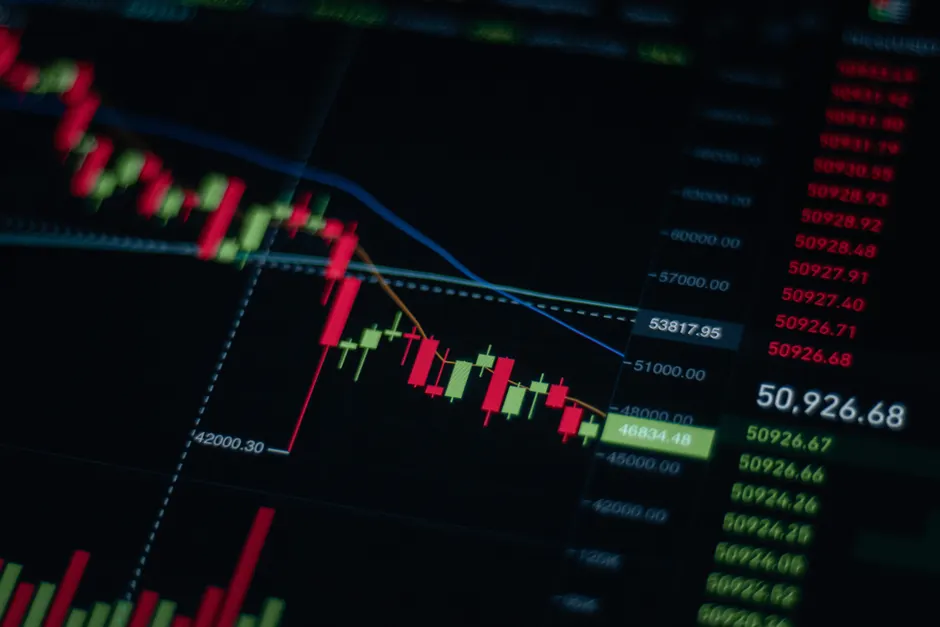
South Korea's stock market, measured by the KOSPI index, surged more than 16% on July 31, 2026, closing at 6,369.71, up from 5,593.56 the day before. The rally was led by companies that make computer chips, and it spread across Asian markets. The Wall Street Journal reported that investors were excited again about artificial intelligence (WSJ).
That one-day jump comes after a rough stretch. The KOSPI had hit a record high of 9,114.55 on June 22, 2026, then fell more than 20% by July 8. A 20% drop from a recent high is the standard definition of a "bear market" — a period when falling prices and pessimism dominate (Reuters). That drop was caused by wild swings in chipmaker shares, which the WSJ had warned weeks earlier were pushing the market into a "danger zone" (WSJ). Even after the July 31 jump, the KOSPI's closing price of 6,369.71 is still far below the June record. By the 20% rule, the index is still in bear-market territory.
SK Hynix, one of Korea's biggest chip companies, had planned a $28 billion stock offering — a way for a company to raise money by selling new shares to investors. That amount signals how much money is flowing into building factories for the memory chips used in AI systems (WSJ). The offering was announced earlier in July, before the chip selloff got worse.
Here's the odd part. The same excitement about AI that lifted Korean chip stocks was making U.S. investors nervous. Alphabet (Google's parent company) saw its shares fall more than 7% after reporting its Q2 2026 earnings, even though the results were called strong. The reason: Alphabet raised its 2026 spending forecast to between $195 billion and $205 billion, about $15 billion more than expected (Forbes; Yahoo Finance). Fortune reported that earnings from Meta, Microsoft, Apple, and Amazon were also fueling a broader backlash over how much companies are spending on AI (Fortune).
The contrast is striking. U.S. investors punished Alphabet for planning to spend more on AI, while Korean chip stocks rallied on the same trend. One way to read the KOSPI surge is that it was a bounce-back after prices had fallen too far, too fast, rather than a sign that investors have new confidence. The index had dropped about 30% from its peak in just five weeks. Whether the rally lasts depends on whether all that AI spending actually turns into steady demand for the chips that Korean companies make.
Also on July 31, the Bank of Japan — Japan's central bank, which sets interest rates — held its key rate at 1.0%, as expected (Bloomberg; Reuters). The bank had raised rates in June and paused in July. It said it remains willing to raise rates again in the future (Reuters). The BOJ's official Statement on Monetary Policy is published on its English-language website (BOJ).
Japan's currency, the yen, barely moved on the news. It took 160.5370 yen to buy one U.S. dollar on July 31, up 0.63% on the day, though the yen had gained 1.25% against the dollar over the past month (Trading Economics). By holding rates steady but signaling future increases, the Bank of Japan is on a slow path of raising borrowing costs. Markets are now guessing when the next move comes.
The broader picture is that Asian stocks are caught between two forces. The AI spending boom is real and growing — Alphabet alone plans to spend up to $205 billion in 2026, and Korean chipmakers are key suppliers in that supply chain. But U.S. stock markets are skeptical, especially because the money coming in from AI products has not yet caught up to what companies are spending. The KOSPI's 16% one-day surge is the most dramatic sign of that tension so far. But it comes after a 30% drop that was caused by the same chip-stock volatility. Anyone weighing this rally should separate two questions: Is AI investment still growing? Yes, the earnings data confirm it. And have chip-stock prices already factored in the risks of delivering on that growth? That is far less certain. The WSJ called the chip rally a "danger zone" in late June. One good day did not change that.