Sony Is Phasing Out Physical PlayStation Game Discs
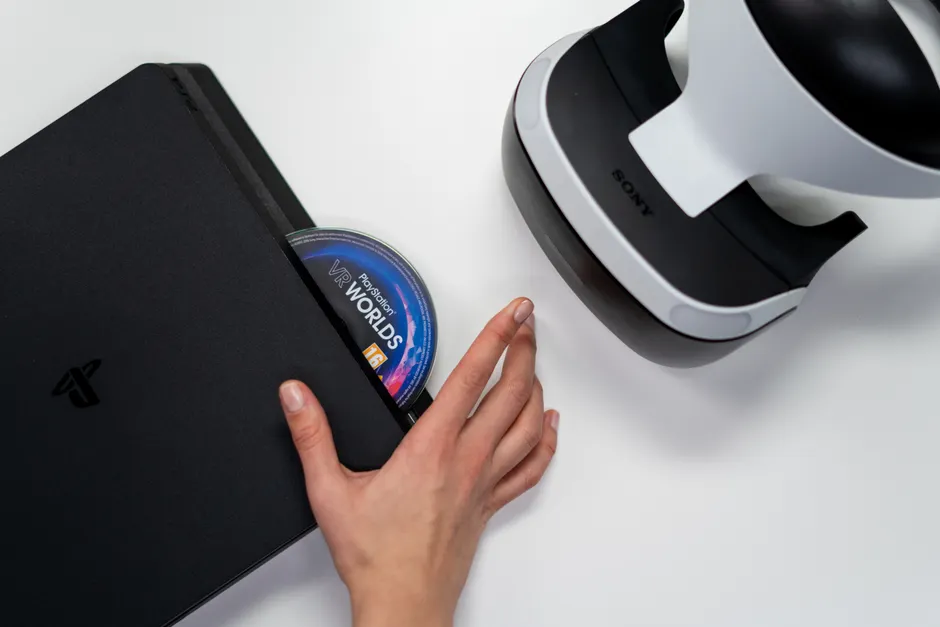
Sony will stop making physical game discs for new PlayStation titles by January 2028, according to CFO Lin Tao, who spoke about the decision during a company earnings call on July 31, 2026. The Verge
Tao, speaking through an interpreter, said the shift reflects how people are increasingly buying and playing games in digital form rather than on disc. He acknowledged that many fans are unhappy about the change but said Sony is going ahead with it anyway. The Verge
The numbers behind the decision are clear. According to Sony's latest quarterly earnings report, physical game sales brought in about $781 million in the 2025 fiscal year. Digital game sales over the same period earned about $6.5 billion, and in-game purchases earned about $8.4 billion. In other words, for every dollar Sony earned from physical discs, it earned roughly nineteen dollars from digital sales and in-game purchases combined. The Verge
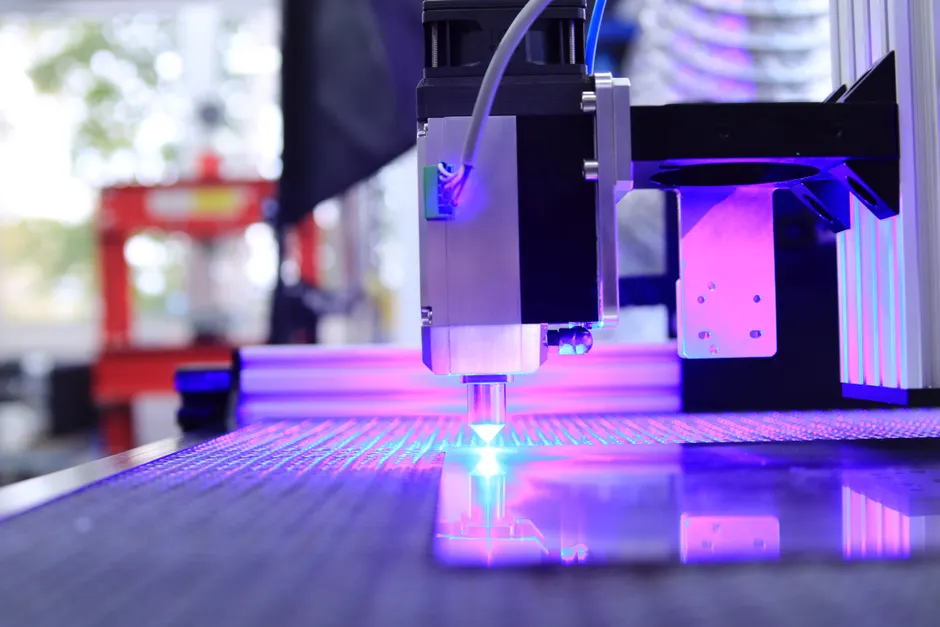
Sony has already started converting its main disc-making factory in Thalgau, Austria, to produce optical microlenses instead. Microlenses are tiny lenses used in sensors and cameras. The Thalgau facility has long been Sony's primary disc-manufacturing site in Europe, so shifting it to other work shows the change is already happening, not just planned for the future. The Verge
The earnings call covered Sony's financial results for the quarter ending June 30, 2026. Sony's investor relations archive confirms the July 31 announcement date. The previous fiscal year saw Sony record additional losses, as noted in a transcript published on May 8, 2026. Sony IR
Fans have responded quickly. A week-long blackout protest for PlayStation content is set to start on August 23, with participants planning to stop engaging with PlayStation platforms. Whether the protest actually changes Sony's mind is a separate question from whether it creates a public relations problem. The company's revenue numbers suggest digital sales are already the core of the business by a wide margin. The Verge
The factory conversion in Austria is worth paying attention to because it shortens the real-world timeline. Sony is not just setting a future end date and carrying on as normal until then. The physical manufacturing equipment is already being repurposed, which means retailers, secondhand sellers, and collectors who rely on physical games may notice the effects before January 2028 arrives.
The shift away from discs also raises broader questions about whether games that exist only online can be preserved over the long term, and whether players truly own something they cannot hold. These concerns apply to the whole gaming industry, not just Sony. But because PlayStation has such a large player base and cultural presence, Sony's decision makes those concerns feel more immediate. Physical game sales still bring in nearly $800 million a year, so the disc is not being retired because nobody buys it. It is being retired despite still generating significant revenue.
For Sony, the practical benefits of dropping disc production are straightforward. It removes the need to run factories, ship physical products, and manage retail inventory. When digital sales already bring in far more money than discs, the financial logic is easy to see. The move to make microlenses at the Thalgau plant suggests Sony believes that facility can produce more valuable components than game discs.
The January 2028 deadline gives the market roughly 18 months to adjust. Game publishers, retail partners, and players now have a specific date to plan around. Whether the community protest starting August 23 changes anything will be clear soon enough.