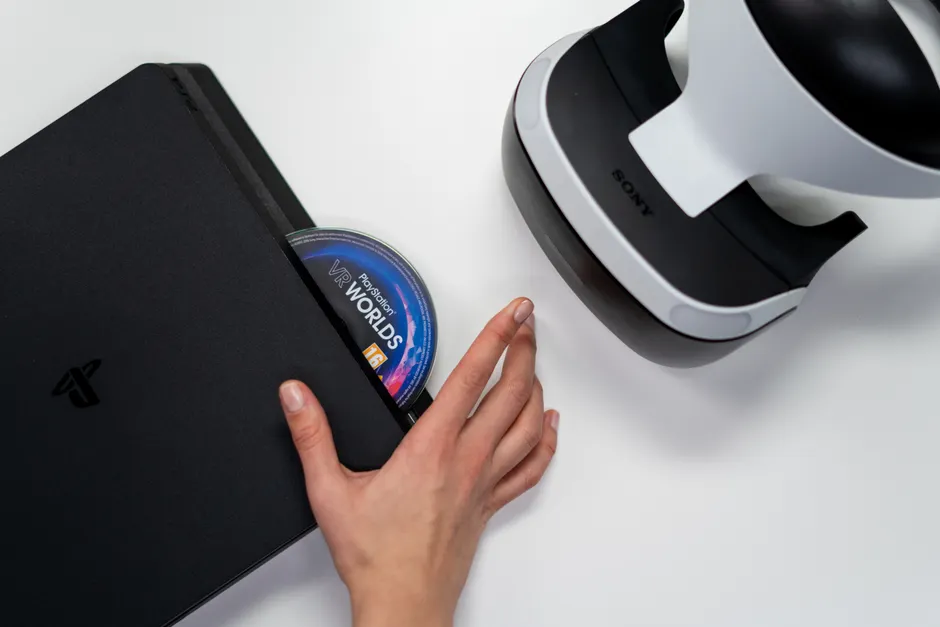
Sony Says Its Disc Plant Is Scaling Back Slightly, Not Shutting Down
Sony DADC has corrected a widely reported figure about its disc-manufacturing plant in Thalgau, Austria. The company says production will decline by 10 percent in 2028, not drop by 90 percent as originally reported. An unnamed Sony DADC spokesperson told games journalist Brian Crecente that the division's president Dietmar had expected an overall product volume decline of 10 percent, not a decline down to 10 percent of current output. The correction was first reported by The Verge on September 8, 2026.
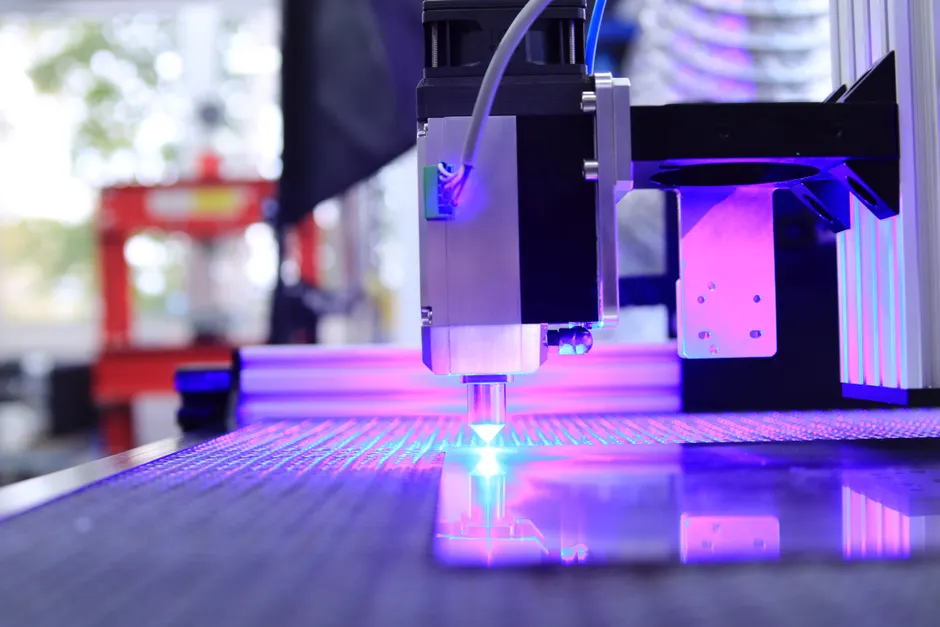
The Thalgau facility is Sony's last remaining disc-manufacturing plant, as The Verge reported in July 2026. That earlier reporting, based on a broadcast by ORF Austria, said the plant would be repurposed to make optical microlenses — very small lenses used in cameras, sensors, and other devices. The report said all 300 employees would be retrained to shift from making discs to making microlenses, and that the transition had already begun.
Sony has not changed its broader plan: the company will stop producing new video game discs in January 2028. After that date, Sony will still allow publishers to re-order existing PlayStation game discs. Sony DADC did not respond to The Verge's fact-check request about whether the Thalgau plant is being restructured and retraining all 300 employees for microlenses, leaving those details unconfirmed beyond the original ORF and July Verge reporting.
The difference between "10 percent fewer" and "down to 10 percent" matters a lot in practice. The first means the plant keeps making discs at nearly its current level for re-orders and remaining new-title demand before the 2028 cutoff. The second would have meant the plant was almost entirely switching away from discs.
The broader context here is that Sony's approach to physical media has drawn public scrutiny on several fronts. The company has argued in legal proceedings that "reasonable consumers" could not believe they own a game after buying it, reasoning that if they truly owned a game, multiple copies could not exist at a time. That argument, reported by The Verge, positions Sony's view of disc-based purchases as something short of full ownership, which feeds into wider debates about what consumers actually get when they buy a game in an era of internet-connected consoles.
What remains unresolved is the specific future of Thalgau. The July reporting described a full pivot to microlenses with all 300 employees retrained. Sony's September correction addresses only the production-decline figure and does not confirm or deny the restructuring details. The company's silence leaves the microlens repurposing and employee retraining as reported but not directly verified by Sony.
For publishers and developers who rely on physical PlayStation discs, the practical takeaway is that disc manufacturing at Thalgau will stay largely intact for now. The January 2028 cutoff applies to new game discs; existing titles will still be available for re-order. The plant's longer-term shift toward microlens production, if it happens as originally reported, would move Sony DADC from making discs for entertainment to making optical parts for other uses.
The 10 percent correction does not change Sony's plan to stop making new game discs. It does mean the slowdown is more gradual than people first thought.