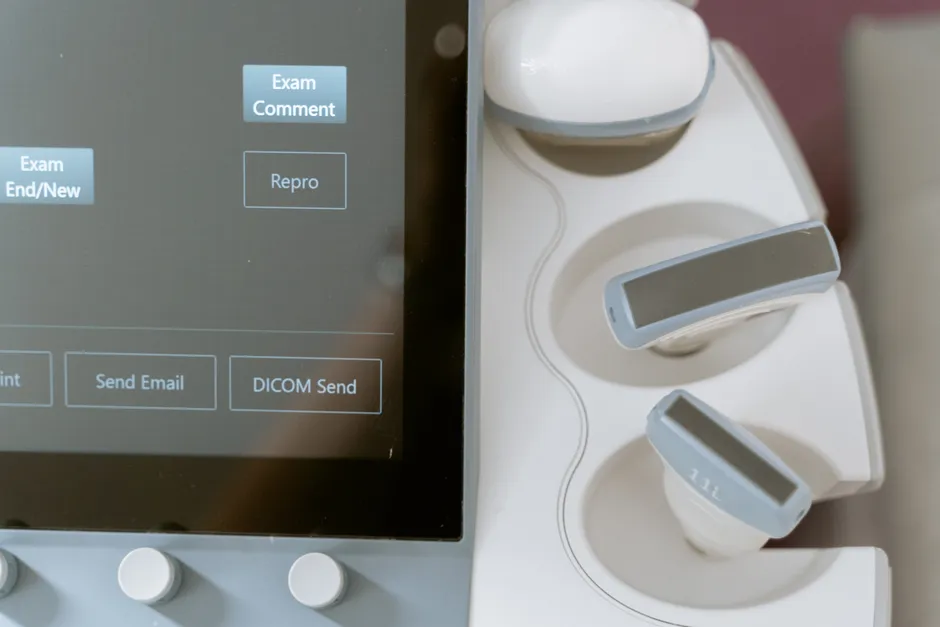
You Can Now Get a Permanent Tattoo From a Sticker-Sized Patch
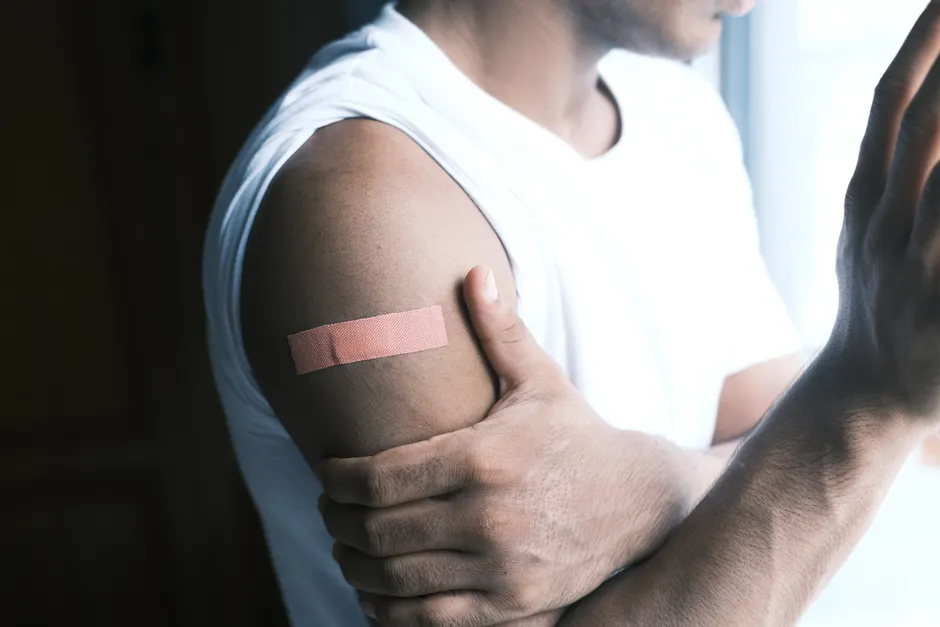
A London company called CipherX has launched the first tattoo patch you can buy. It is called Microdot. It uses tiny, dissolving needles — so small you cannot see them individually — to put permanent ink into the skin. The Verge got an exclusive hands-on demo, with CEO Ferdinand Kohle applying a permanent tattoo to a reporter's arm using a single patch about the size of a US quarter. The Verge
CipherX launched the product on July 24, 2026, marketing it under the tagline "A New Era of Tattooing" on its website at cipherx.tech. Dezeen The Verge's demo, published July 31, gives the first independent account of what the process feels like and what it leaves behind.
Each Microdot patch contains hundreds of microscopic needles that deposit pigment into the upper layers of the skin. In The Verge's demo, the patch embedded 112 of these tiny needles. Think of them like the dissolving stitches a dentist might use, but loaded with ink instead of medicine. The application is designed to be quiet, fast, and pain-free. After you place the patch on your skin, it needs 15 minutes for the needles to dissolve and release the pigment. The Verge
The reporter picked a design called "Bold Sparkle." After the 15-minute wait, there was no pain, no bleeding, no scabbing, and no healing time. The result is a permanent tattoo made without a tattoo machine, without puncturing the skin the way traditional tattooing does, and without the swelling and soreness that usually come with a new tattoo. The Verge
CipherX's own public guidance says temporary redness or mild irritation may occur. Designboom The Verge's reporter experienced none of these.
The science behind this is not entirely new. Researchers have been studying dissolvable microneedle patches for tattooing since at least 2022. The Verge; ScienceDirect CipherX appears to be the first company to turn that research into a product people can actually buy. The Verge's story was based on a live demonstration, not a company press release, which matters because lab prototypes often do not work the same way in real life.
The broader context here is about what this technology could do beyond tattoos. The same dissolvable-needle design could, in theory, be used to deliver drugs, administer vaccines, or monitor health through the skin. Most academic research into microneedle patches has focused on those medical uses. CipherX's contribution is showing the technology can produce a permanent, good-looking tattoo in a home setting, with a comfort level that traditional tattooing cannot match.
There are important questions that remain unanswered. One tattoo on one reporter, applied while the company's CEO watched, is a demonstration, not a medical study. Nobody yet knows how long the pigment lasts, whether it works the same on all skin types, whether people could have allergic reactions to the ink or the needle material, or how regulators will classify the product. CipherX's own admission that redness or irritation is possible suggests they know results will vary from person to person.
The tattoo industry has used the same basic method for centuries: a needle punctures the skin, ink goes in, and the body heals around it, trapping the pigment. Microdot replaces that puncture with a chemical process. The needles dissolve, the ink stays. No wound, no scab, no healing. Whether the ink holds up as well as a traditional tattoo over months and years is something only wider use will reveal.
What this makes possible is simple: a permanent tattoo with no pain, no healing time, and no noisy machine, and you do not need to go to a tattoo studio. That makes tattoos more accessible to more people. It also raises real questions about safety oversight, ink regulation, and age verification for something you can apply at home, and those deserve attention before the technology reaches a wide audience.
CipherX maintains a public presence on Instagram at @cxmicrodottattoos. Instagram
In this author's view, caution is warranted here, but it should not overshadow what was shown. A permanent tattoo, applied in minutes, with no pain and no healing, checked by an independent reporter, is a real technical milestone. The questions that follow — how long it lasts, whether it is safe for everyone, how it should be regulated — are the right ones to ask. They are not reasons to dismiss what CipherX has built. They are the standard checklist for any health-adjacent consumer product going from prototype to store shelves, and CipherX will need solid answers to move beyond early adopters.