A Bomb Went Off in Colombia Days Before Its New President Starts. Here's What to Know.
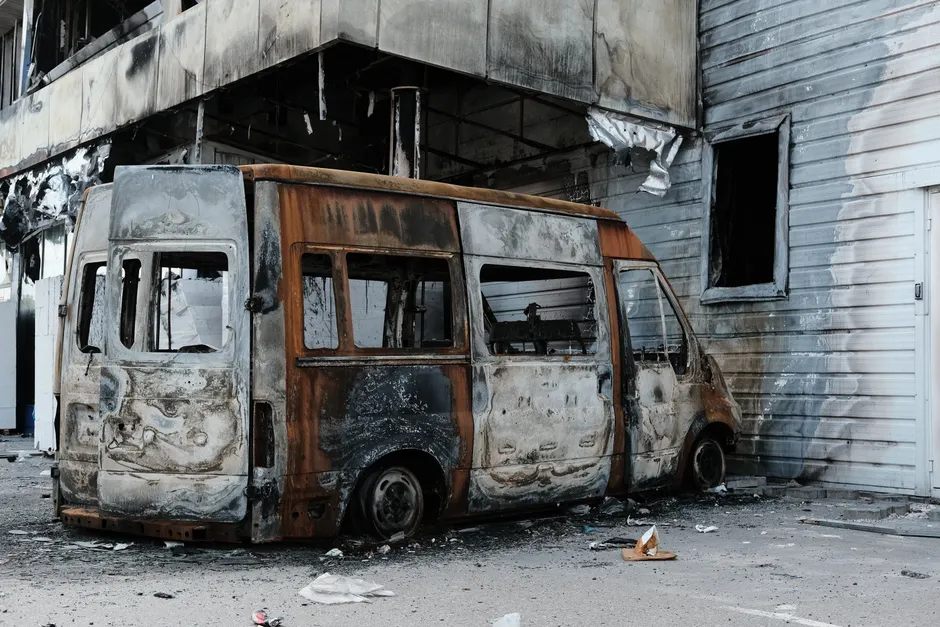
A truck filled with explosives blew up next to a police station in Cucuta, Colombia, on Saturday, wounding at least 11 people just six days before the country's new president is set to take office on August 7 (Al Jazeera; Channels TV).
George Quintero, a local security official, told reporters that eight police officers and three civilians were hurt. Cucuta is a city on Colombia's border with Venezuela. That border area has long been a battleground for armed groups that make money from drug trafficking, extortion, and other illegal activities. No group immediately said it carried out the attack.
Several armed groups operate in the area. The National Liberation Army (ELN) is Colombia's largest remaining left-wing rebel group and has used car bombs before. There are also breakaway members of the FARC, a larger rebel group that signed a peace deal with the government in 2016 but whose dissident members rejected it and kept fighting. A third group, Clan del Golfo, is the country's most powerful criminal organization and controls much of the cocaine trade passing through the region.
President-elect Abelardo de la Espriella condemned the attack in a post on X, calling it a "cowardly terrorist attack" against the National Police. He said terrorism will not intimidate Colombia or break Colombians' determination to live in peace and security. De la Espriella takes office after a campaign built on promises to crack down hard on rebel groups and criminal organizations.
De la Espriella is a millionaire lawyer and businessman who has never held public office. His right-wing campaign was backed by US President Donald Trump's administration, which has clashed with Colombia's outgoing president, Gustavo Petro, over regional security. Petro, Colombia's first left-wing leader, tried to negotiate peace deals with armed groups, but violence continued during his time in office. De la Espriella told The Associated Press during his campaign that as president he would order the Air Force to shoot down any plane loaded with drugs and sink any boat loaded with drugs.
The Cucuta bombing is part of a pattern of violence leading up to the election. In April 2026, a bomb on a highway in southwest Colombia killed at least 14 people and injured 38, with authorities blaming rebel dissidents (France 24). In 2025, a presidential candidate and senator named Miguel Uribe Turbay was shot in the head at an event in Bogota and died a month later. His mother, journalist Diana Turbay, was killed in 1991 after being kidnapped during Colombia's long internal conflict.
Colombia has been dealing with that internal conflict for over 60 years, involving left-wing rebel groups, right-wing militias, government forces, and criminal organizations. Car bombs have been used throughout. In one of the deadliest such attacks, the FARC set off a car bomb at Club El Nogal in Bogota in 2003, killing 33 civilians and wounding 198 (Colombian National Police).
The broader context here matters for understanding what comes next. The 2016 peace deal with the FARC removed one major armed group from the conflict but did not end the fighting. Instead, other groups moved into the territory and illegal businesses the FARC left behind. The state never fully reclaimed those areas. Norte de Santander, where Cucuta is located, has become one of the most violent parts of the country, serving as a key route for smuggling drugs across the border into Venezuela. When de la Espriella takes office on August 7, Colombia will shift sharply from Petro's negotiation-based approach to a leader backed by Trump who has promised aggressive, force-first policies against drug trafficking.
Whether de la Espriella's promised crackdown actually makes the region safer or makes things worse will depend on whether Colombia's security forces can establish control in areas where they have had little presence for decades. The Cucuta bombing, happening right as power changes hands, signals that armed groups in those areas plan to test the new president from his very first day.


