Valve's New White Steam Deck: What You Need to Know
Valve's New White Steam Deck: What You Need to Know
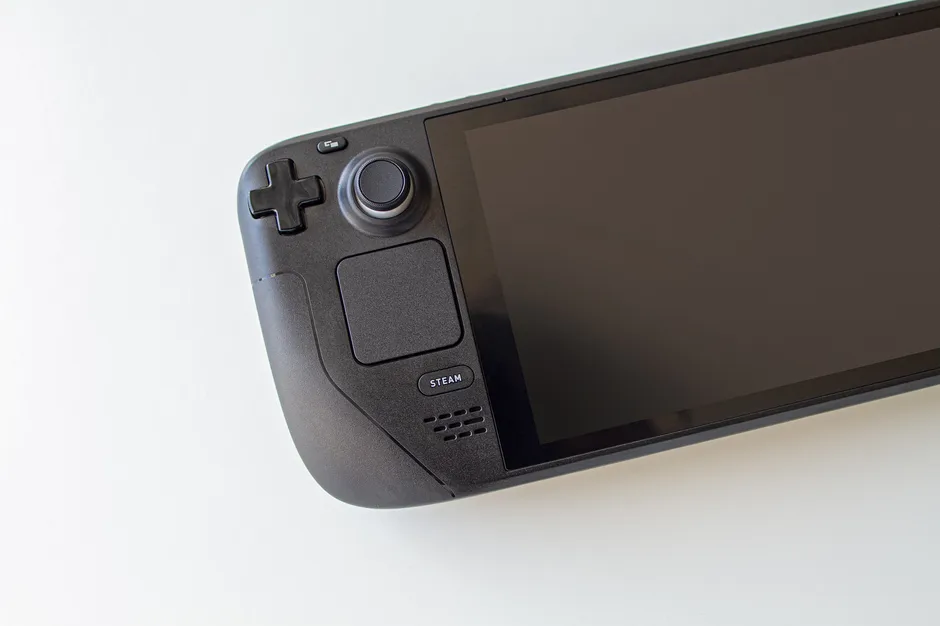
Valve has announced a limited edition white version of its Steam Deck OLED, a handheld gaming computer about the size of a Nintendo Switch. It will be available worldwide starting November 18, 2024 at 3PM PST for $679. The company also sells standard black OLED models at $549 (512GB storage) and $649 (1TB storage).
What's Different About the White Version
The white model has the same internal components as the black version—the only difference is the color and a higher price tag. The white costs $30 more than the black 1TB model, so this is more about collecting a special design than getting better performance.
The OLED display is the real upgrade from Valve's first Steam Deck. OLED stands for organic light-emitting diode—think of it as a screen where each pixel makes its own light, rather than having one backlight behind the entire screen. This means darker areas of games look darker and colors look sharper. It also uses less battery power, so you can play longer before needing to charge.
The different storage sizes cater to different types of players. The 512GB option works for people who don't mind managing storage by adding a memory card or using Valve's cloud save service. The 1TB option is for people who want to keep many large games installed at once without worrying about space.
Why the Gaming Industry Cares
Valve faces competition from other handheld gaming computers made by ASUS, Lenovo, and MSI. The white color variant and OLED display are Valve's way of standing out when performance differences between these devices are fairly small.
The timing matters too. Launching in November targets holiday shoppers looking for premium gifts. Limited edition versions of electronics have always served two purposes: they create a sense of urgency by being hard to find, and they keep people talking about the product.
This pattern is not new. Nintendo did something similar with the Nintendo DS, releasing it in multiple colors to maintain interest between major upgrades. What is worth noting here is that Valve, a PC hardware company, is now using design and scarcity tactics that are more common in consumer electronics like phones or game consoles. It signals that handheld gaming devices follow different rules than traditional PC hardware.
The Practical Side of White
One thing worth flagging: light-colored gaming hardware tends to show dirt and wear more visibly than black hardware, especially around the buttons and analog sticks where fingers touch constantly. Someone planning to use the Steam Deck heavily for work or gaming might prefer the standard black model for that reason.
What This Means for the Market
Valve's ability to launch the white model everywhere at once—rather than region by region, as they did with the original Steam Deck—suggests the company has solved manufacturing and supply issues that plagued the first release. The simultaneous global launch is a sign of confidence.
The broader context here is that Valve is cementing itself as a serious hardware maker. In the past, PC hardware companies focused mainly on raw speed and power. Valve is now using design, display quality, and brand appeal—tactics that console makers like Sony and Microsoft have used for decades. This shows the handheld gaming computer market is maturing and moving closer to how consumer electronics are sold.
The OLED upgrade also shows Valve's preference for steady improvements over giant leaps forward. This is how the smartphone industry works—each year brings a better screen, longer battery life, or a faster chip, rather than a complete redesign. It is a reliable way to keep customers interested in upgrading.
For game makers, the expanding Steam Deck audience means more reason to optimize games for Valve's handheld. As more people buy a Steam Deck, studios can justify spending time and resources making games run well on it. Premium buyers of the white model might also spend more on games, which could improve revenue per device.
The bottom line: Valve is betting that handheld gaming is not a temporary experiment but a permanent part of how people play games. The white Steam Deck OLED, with its upgraded screen and premium positioning, is a signal that the company intends to keep iterating and improving the device for years to come.


