A Major Bet on Fusion Energy: Why This Funding Round Matters

A Major Bet on Fusion Energy: Why This Funding Round Matters
A company called Thea Energy just raised $100 million to build a test fusion power plant. The funding closed on May 27, 2026, and marks a significant investment in fusion technology—a decades-old goal that aims to generate clean power from the same reaction that powers the sun.
The timing is not random. Data centers running artificial intelligence, streaming services, and the push to electrify transport are all straining power grids around the world. This surge in electricity demand has drawn investor attention back to fusion, which could one day provide reliable clean power without the weather dependence of solar or wind farms.
How Thea's Approach Works
Thea Energy's design is built on two main ideas: using magnets that can be made in large quantities on existing factory equipment, and controlling the fusion reaction with computer software that adjusts in real time.
Traditional fusion designs rely on custom-built superconducting magnets that must be kept extraordinarily cold. These magnets are expensive because they are often made one at a time, much like bespoke tools. Thea's approach sidesteps this bottleneck by using magnets that existing factories can produce at scale, similar to how manufacturers can churn out thousands of identical car engines.
The software part means the system constantly monitors and tweaks the fusion reaction using algorithms rather than relying solely on the shape and strength of the magnetic field alone. This could make the system more flexible and easier to adjust on the fly.
Why Now?
The electricity demand story is the key backdrop here. AI training, data centers, and the shift toward electric vehicles have all pushed power consumption beyond what most utilities planned for a decade ago. Solar and wind farms help, but they only generate power when the sun is shining or wind is blowing. Fusion, if it works at commercial scale, would provide baseload power—electricity available on demand, any hour of the day.
The broader pattern is worth noting. We have seen this dynamic before when demand for internet capacity outpaced the infrastructure available to meet it, and again when smartphones exploded in popularity. In both cases, investors poured money into novel technical approaches that promised major improvements in cost or capability, even while fundamental risks remained. The fusion investment wave shows similar characteristics: demand pulling hard, and investors betting that one of several technical approaches will crack the problem.
What Happens Next
The $100 million will fund a demonstration project—essentially a proof-of-concept plant that will produce a modest amount of power. These test plants typically aim for output measured in megawatts (millions of watts), enough to show the concept works but far smaller than what a real power plant would need.
The modular design that Thea emphasizes could be important for the real world. Rather than building one massive plant like traditional nuclear facilities, you could build smaller fusion units and connect them together. This could reduce both the upfront cost and the years spent getting permits and approvals.
The Competitive Landscape
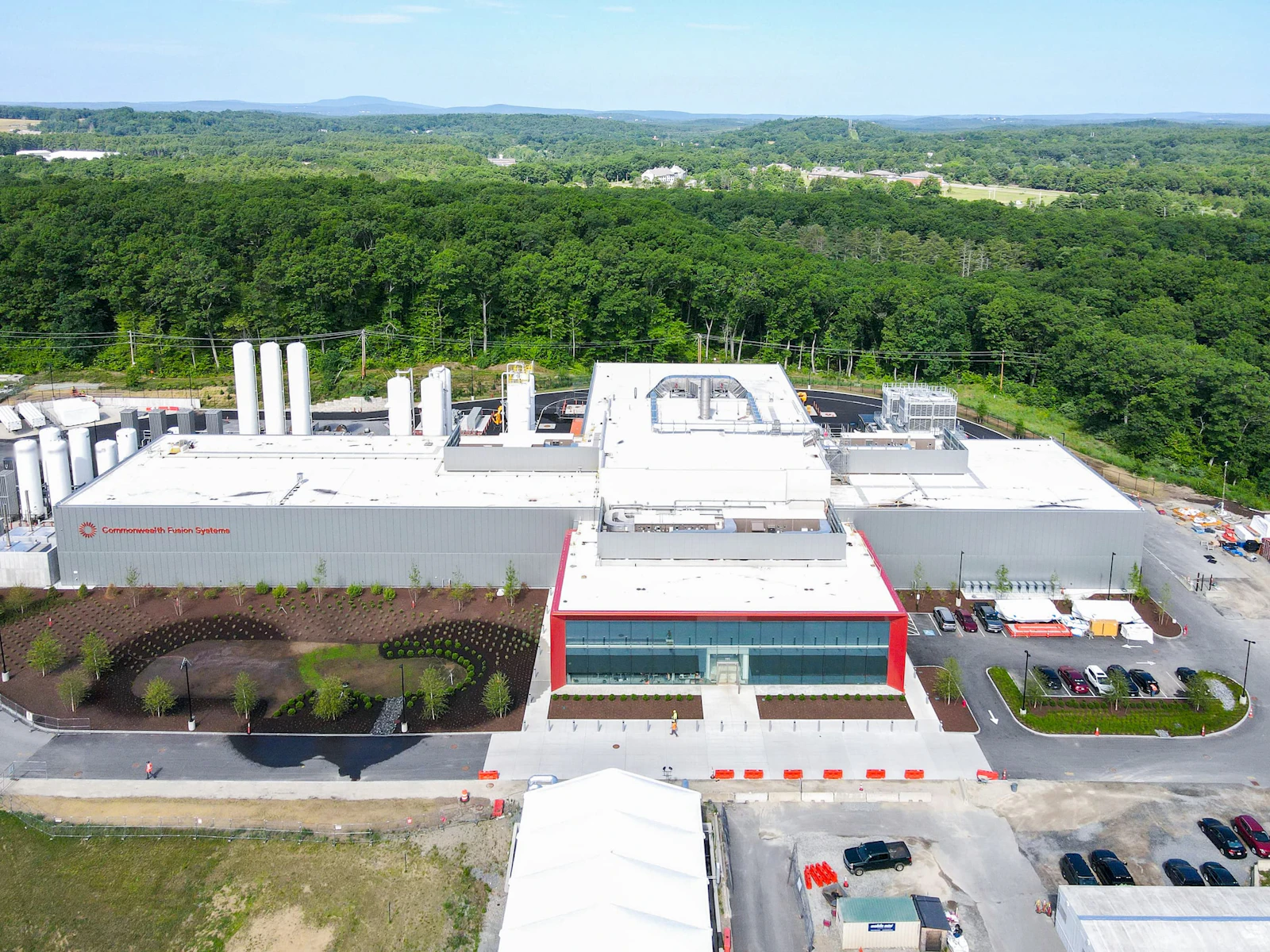
Thea is not alone. Commonwealth Fusion Systems, TAE Technologies, and Helion Energy are also pursuing fusion with different technical strategies. Each has raised substantial sums. What sets Thea apart is the emphasis on manufacturing and software rather than on breakthroughs in exotic materials or magnet design.
This positioning suggests the company believes the real bottleneck is not physics or chemistry, but engineering and production—essentially, making fusion components the way we make semiconductors or car parts.
The Road Ahead
One hundred million dollars is a large sum, but it is important to keep perspective. Building a commercial fusion power plant that feeds electricity to the grid will likely cost billions of dollars and take many more funding rounds. This Series B funds technical validation, not commercial deployment.
The demand drivers supporting fusion investment—more AI workloads, more electrification—do look durable. If Thea's approach actually works at larger scales, there will be buyers waiting. The open question is whether the mass-manufacturing strategy can handle the scaling challenges that typically emerge when you move from a demonstration project to a real power plant. History shows those surprises happen regularly, and fusion has been "twenty years away" before.