Why Spain Is Building a Sea Barrier After 67 People Died at Its Border

Spain has installed a 500-metre barrier in the water along its border between Ceuta and Morocco after a mass border rush in July 2026 left 67 people dead. It was the deadliest incident at this North African enclave in years. Around 50,000 people crossed from Morocco into Ceuta since Thursday morning of the July rush; by 6 p.m. on July 31, about 48,300 had returned to Morocco. Al Jazeera Reuters
The new sea barrier was confirmed on August 1. Spain has fortified this border for over a decade, previously spending more than 30 million euros building barriers around its North African enclaves of Melilla and Ceuta. Both are surrounded by Moroccan territory. PBS NewsHour
Migrants who crossed during the July rush described what drove them back. They found no food and no way through the enclave. Hunger and hostility pushed them to return to Morocco on their own, according to their own accounts. Reuters While the vast majority returned, some remained determined to stay in Ceuta.
Spain has sent its military to respond to mass crossings from Morocco into Ceuta before, deploying armed forces when thousands of migrants breached the border. New York Times The July 2026 rush was far larger and deadlier than those earlier surges.
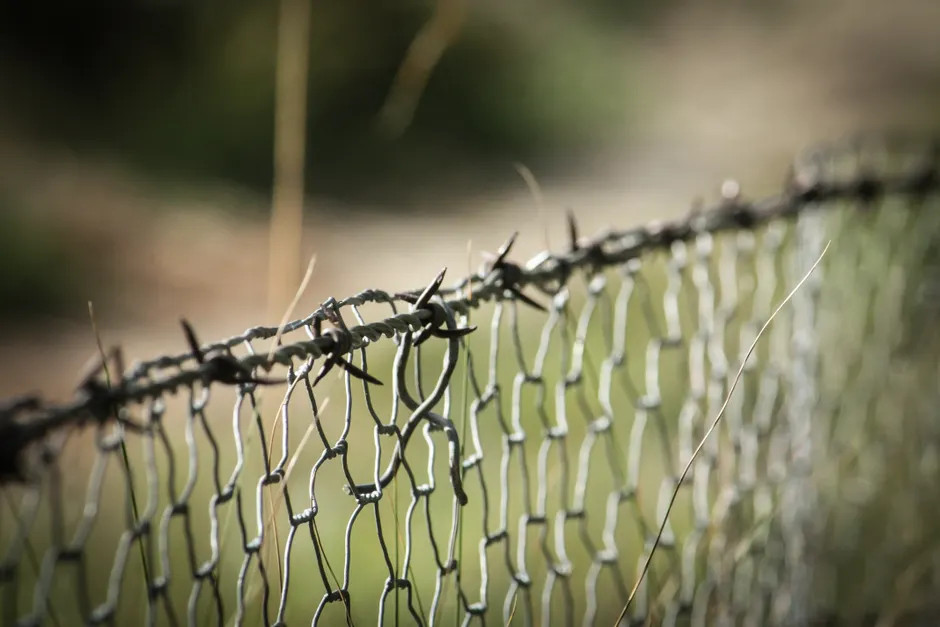
The Ceuta border has long been a pressure valve for economic distress on both sides. Morocco's "mule ladies," documented for years by international media, haul goods from Spain into Morocco, earning as little as three euros per trip. That is a vivid illustration of the wage gaps that make the enclave a magnet. New York Times That informal cross-border economy coexists with heavy security: razor-wire fencing, surveillance systems, and now a sea barrier designed to stop the kind of mass water crossings that proved fatal in July.
The geography of Ceuta makes it uniquely vulnerable. It is a small peninsula — a strip of land jutting into the sea — connected to the Moroccan mainland by a narrow neck of land. It is European Union territory on the African continent. Morocco and Spain share a 1,200-kilometer land border in Africa. Ceuta's sea frontier with Morocco has been the route for the most deadly crossing attempts.
The 67 fatalities place this event among the deadliest single incidents at a European border in recent years. The scale — 50,000 crossers in roughly 48 hours — suggests a level of coordination or at minimum mass mobilization on the Moroccan side that Spanish border infrastructure could not handle. The return of nearly all crossers within days, driven by hunger and hostility inside the enclave rather than formal deportation, raises questions about whether the migrants' goal was settlement or a transient breach that Spain's containment strategy, however costly, ultimately prevented from becoming a permanent influx.
The broader context here is a decade-long pattern: Spain keeps spending more on border barriers, and mass crossings keep happening. The 30-million-euro investment in land barriers did not prevent the July 2026 rush. The sea barrier is a reactive addition to a perimeter that has been breached before. Each escalation in physical enforcement has been followed, within a few years, by a crossing event that overwhelms it. The pattern suggests that building bigger barriers yields less and less protection when the economic gap between the two sides stays extreme.
The deaths also intensify scrutiny of Spain-Morocco cooperation on migration control. Madrid relies on Rabat to manage migration flows at the source, and how strictly Moroccan authorities enforce the border directly shapes how many people arrive at Ceuta. Mass crossings on this scale — particularly when they occur suddenly and without apparent interference from Moroccan border authorities — have previously been interpreted by European officials as a signal of displeasure from Rabat over bilateral disputes. Whether the July 2026 rush reflected a deliberate loosening of Moroccan border enforcement or a spontaneous surge remains unclear from available reporting. But either scenario carries the same implication: Spain's border security at Ceuta depends substantially on Moroccan willingness to cooperate, and that willingness can shift rapidly.
For the remaining migrants who stayed in Ceuta, the enclave's limited capacity to absorb new arrivals and Spain's accelerated return procedures create an uncertain legal status. Spain has not publicly detailed how it will process those who did not return voluntarily.