TotalEnergies Sold Half Its Big U.S. Solar Business to KKR. Here's What That Means.
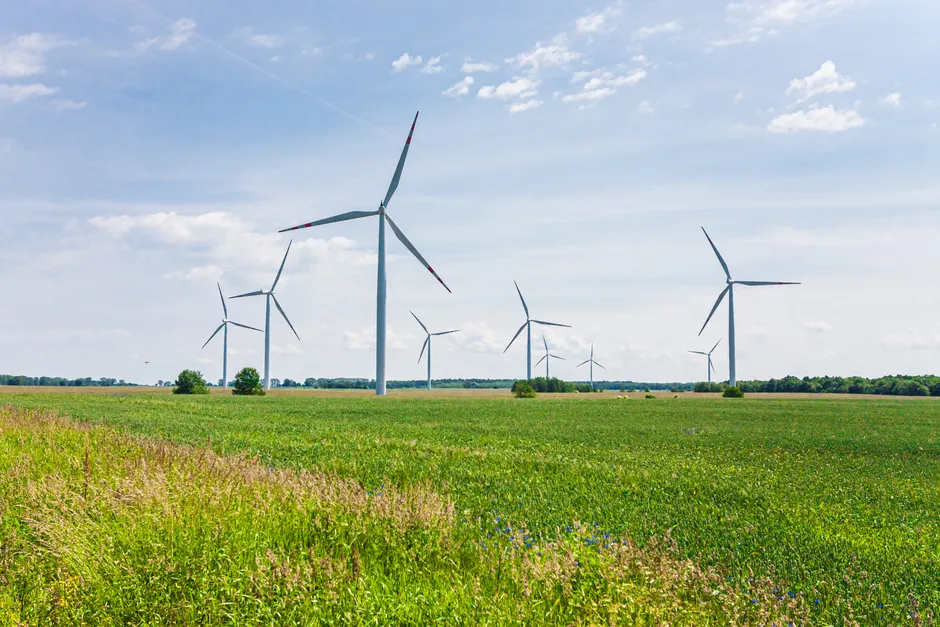
TotalEnergies, the French energy giant, has sold a 50% stake in a large North American solar power portfolio to KKR, a major investment firm, according to the company's fourth-quarter 2025 results published February 11, 2026 (TotalEnergies). The deal was first announced in September 2025 (TotalEnergies).
The portfolio in question is 1.4 GW, or gigawatts. A gigawatt is a billion watts, roughly enough power to supply several hundred thousand homes. These are big solar farms, not rooftop panels.
At the same time, TotalEnergies has agreed to a second sale: a stake in a mix of onshore solar and wind assets, this time to an insurance account also managed by KKR (Investing.com, published August 3, 2026). The first deal was solar only. The second includes wind and uses a different kind of financial setup.
Why Sell Half and Stay Involved?
TotalEnergies runs operations in more than 30 U.S. states and is working toward a combined 25 GW of low-carbon power generation and storage (TotalEnergies).
Selling half of a 1.4 GW solar portfolio lets the company free up cash while keeping control of the assets. It is like a homeowner who sells half the value of their house to an investor but keeps living there and managing the property. The investor gets a share of the income; the homeowner gets cash now without giving up the house. In the energy industry, this is called a "farm-down."
The 1.4 GW being sold represents about 5.6% of TotalEnergies' 25 GW U.S. goal. The company has not disclosed how much money it received, so there is no way to confirm the price per unit of power capacity.
What the KKR Connection Tells Us
The broader picture here is worth noting. KKR showing up as the buyer on both deals suggests a standing partnership, not a one-time sale. On the second deal, KKR is using an insurance account rather than one of its own investment funds.
Insurance companies like long, steady payments that stretch over many years, because they owe money to their policyholders over long periods too. So solar and wind farms, which often have locked-in contracts to sell power at agreed prices, can be a good fit for insurance company money.
The exact details of the second portfolio, including which assets are included and how big it is, have not been made public.
The pattern is clear, though. TotalEnergies is gradually selling off parts of its renewable energy holdings in North America while keeping a 50% share and continuing to build toward its 25 GW target. KKR is buying up those shares across more than one deal. For TotalEnergies, the approach brings in money to fund further growth. For KKR, it offers a way to invest in a large portfolio of power-producing assets without having to build them from scratch.


