Why It's Suddenly Hard to Buy a MacBook Air

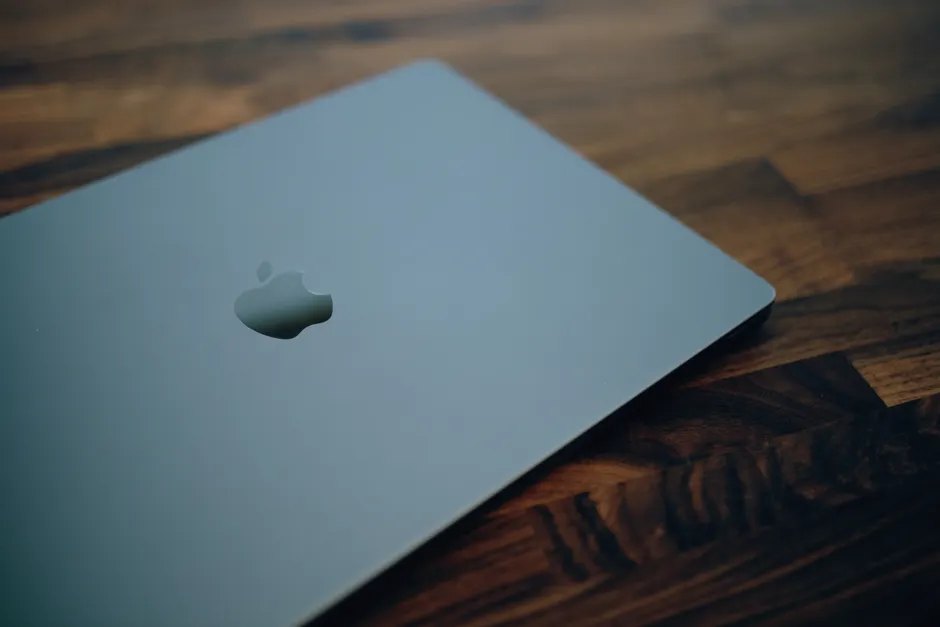
Apple is steering customers away from the MacBook Air and toward the 14-inch MacBook Pro on its website and in its stores. The reason: a global shortage of the memory chips that go into laptops, caused by massive demand from AI data centers. According to Bloomberg's Mark Gurman, ordering a MacBook Air today would mean delivery at the end of August. Some Apple marketing materials now carry the warning "MacBook Air subject to availability" (Engadget).
The shortage comes from what the industry has nicknamed "Ramageddon." It works like this: the memory chips inside your laptop and phone are also used in enormous quantities inside AI data centers, those warehouse-sized buildings full of servers that power tools like chatbots and image generators. Data centers now consume roughly 50% of the world's supply of DRAM, the main type of memory used in laptops, up from 32% five years ago (Bloomberg). The research firm IDC expects memory supply to grow by about 16% in 2026, but that is below what the industry normally produces (IDC). With demand outpacing supply, memory costs have climbed sharply, and Apple and other manufacturers have raised laptop prices as a result (PCMag).
Apple recently raised the MacBook Air's price from $1,099 to $1,299. The 13-inch MacBook Air with the M5 chip is the model affected by the limited supply. TrendForce, a market research firm, estimates that prices for mainstream laptops, which typically cost about $900, could increase by as much as 40% in 2026 due to the RAM shortage (The Guardian).
Apple's push toward the MacBook Pro is not only about the shortage. Gurman reports that Apple is also prioritizing the Pro over the Air to clear out existing stock before launching an updated M6 version of the MacBook Pro. So the company has two goals: ease the pressure on its limited Air supply while selling off Pro models before the new generation arrives.
Apple's most recent earnings report beat Wall Street expectations. But the company warned investors and buyers that supply constraints could affect earnings next quarter and lead to further price increases (Engadget). That warning comes at an awkward moment: Apple introduced an Apple Upgrade program last week that may drive more demand for its MacBook lineup, potentially adding to the very supply pressure the company is flagging.
Apple almost never directs customers away from the Air and toward the Pro in its own stores and website. The Air has long been Apple's most popular laptop, the model that students, casual buyers, and businesses buy in large numbers. Pointing those customers toward a more expensive model during a shortage is an unusual move, especially paired with the open availability warning in its marketing rather than a quiet stockout.
The broader context here is that this memory shortage is not a brief hiccup. AI companies are building data centers at such a pace that they are using up memory chips faster than manufacturers can make them. When half of the world's memory chip output goes to data centers, the effect on the price and availability of laptops, phones, and game consoles becomes a matter of who gets priority, not just what things cost. Apple's price increase and availability warnings are one visible example of a problem that will likely affect every company that depends on these memory chips.
In my view, the most revealing detail is not the price increase or even the stockout. It is Apple's willingness to redirect buyers from the Air to the more expensive Pro right on its own storefront. Apple has always protected the Air's prominent position because it sells in high volumes and brings new customers into Apple's ecosystem. Accepting that the Air is scarce and funneling buyers toward a pricier model suggests the company expects this memory shortage to last long enough that pretending otherwise would be worse than admitting it.
If you need a MacBook Air soon, expect to wait until at least late August for delivery, and consider that the entry-level MacBook Pro may become the realistic alternative. Anyone thinking about buying a Pro now should also know that a new M6 version is reportedly on the way, which complicates the timing. Neither option is straightforward, and the memory market looks like it will tighten further before it improves.