Apple's Next MacBook Neo: A Faster Chip, More Memory, and Probably a Higher Price
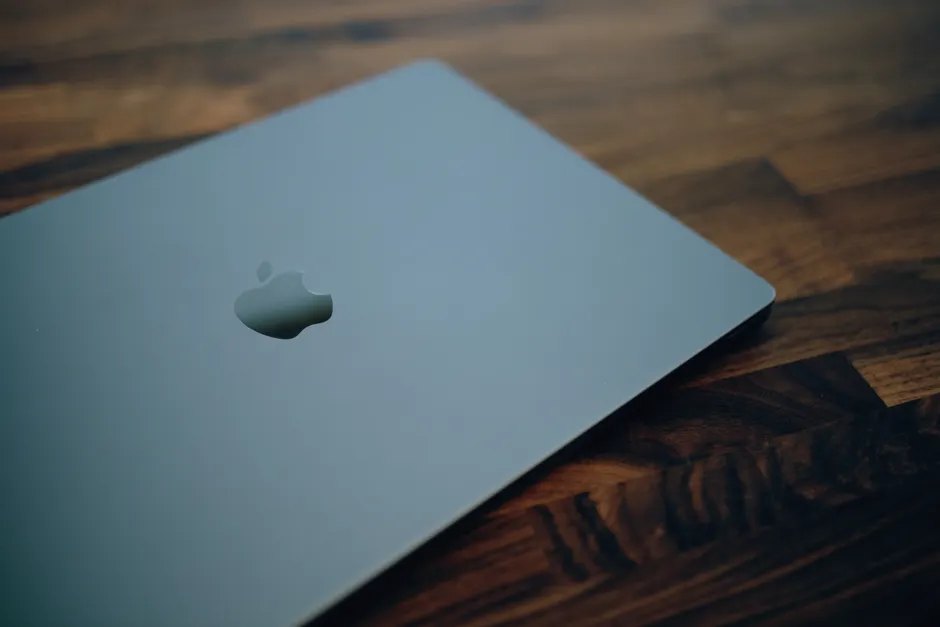
Apple is developing an updated MacBook Neo that will use a newer processor and may increase its memory from 8GB to 12GB, according to Bloomberg's Mark Gurman, reported by The Verge.
The new processor, called the A19 Pro, already appears in the iPhone 17 Pro, iPhone 17 Pro Max, and iPhone Air. Apple's strategy is to take the chip from its latest iPhones and reuse it in the Neo, which is a lightweight, lower-cost laptop. The original Neo did the same thing with the A18 Pro from the iPhone 16 Pro. This means each Neo update is tied to whatever chip Apple already built for its phones.
The memory increase to 12GB, if it happens, matters more than the chip upgrade for everyday use. Think of memory (RAM) as a desk surface: the bigger the desk, the more documents you can have open at once before things start slowing down. The current Neo's 8GB of memory has been a real limitation for people who keep dozens of browser tabs open, run machine learning tools, or do photo editing with multiple layers. Twelve gigabytes would not match Apple's more powerful M-series laptops, but it would let the Neo handle more at once.
Apple may also stop offering the lowest-priced version of the MacBook Neo, which comes with 256GB of storage, per Gurman's reporting. If that happens, the cheapest available Neo would be one with more storage, so the effective starting price goes up even if Apple does not raise the sticker price on the remaining options. Those remaining options are likely to cost more anyway, because ongoing shortages of components are expected to push pricing higher.
The combination of a dropped entry-level option, higher component costs, and the memory increase means the updated MacBook Neo could be meaningfully more expensive than the original. How Apple sets that pricing across different countries and configurations is not yet known.
The broader picture here involves a tradeoff. Because the Neo uses a chip designed for a phone, it is built to run on a small battery and stay cool in a thin device, not to handle heavy, sustained laptop workloads. The Neo's laptop body gives the chip more room to breathe than an iPhone does, but how well it performs will depend on how much power Apple lets it draw and whether the cooling system can handle the heat during long sessions. The 12GB of memory will likely matter more for how responsive the laptop feels day to day than raw speed numbers.
For people who want to use the Neo for software development, the question is whether it can work as a main computer for lighter tasks, or whether it is still best as a secondary device limited by its phone-based design. Twelve gigabytes gets closer to the minimum needed for a comfortable development setup, especially if you are running tools like Xcode, Docker, or local AI models. The original 8GB version was tight enough that the system had to use storage as a stand-in for memory under moderate multitasking, which can wear down the storage drive faster over time.
The storage question adds another layer. Dropping the 256GB option would push buyers to 512GB at minimum, which is more realistic for a Mac used for development or creative work in 2026, given how much space apps and tools like Xcode, Docker images, and AI model files take up. From that angle, removing the 256GB option could be Apple adjusting the lineup to match how people actually use the machine, not just a way to boost profits. Both interpretations are plausible.
The component shortages pushing prices up are not specific to the Neo. They have affected consumer electronics manufacturing broadly throughout 2026. For buyers, the practical effect is that the updated Neo will likely cost more than the model it replaces, and the price gap between the Neo and Apple's more powerful MacBook Air may shrink. If the Neo gets close enough in price to the MacBook Air, the decision gets harder, because the Air uses chips designed specifically for laptops rather than adapted from phones.
None of this is confirmed by Apple. The specifics of pricing, storage options, and even the 12GB memory figure all come from Gurman's supply-chain reporting, not official specifications. What the reporting does make clear is that Apple plans to refresh the MacBook Neo with a newer chip, more memory, and a trimmed lineup, at a time when rising component costs are working against the lower prices that made the original Neo appealing.
For anyone considering a purchase in the coming months, the Neo's position as a laptop built around phone-class technology remains its defining feature. The A19 Pro chip and 12GB of memory improve the situation, but they do not fundamentally change it.