Why Nauru Just Changed Its Name to Naoero
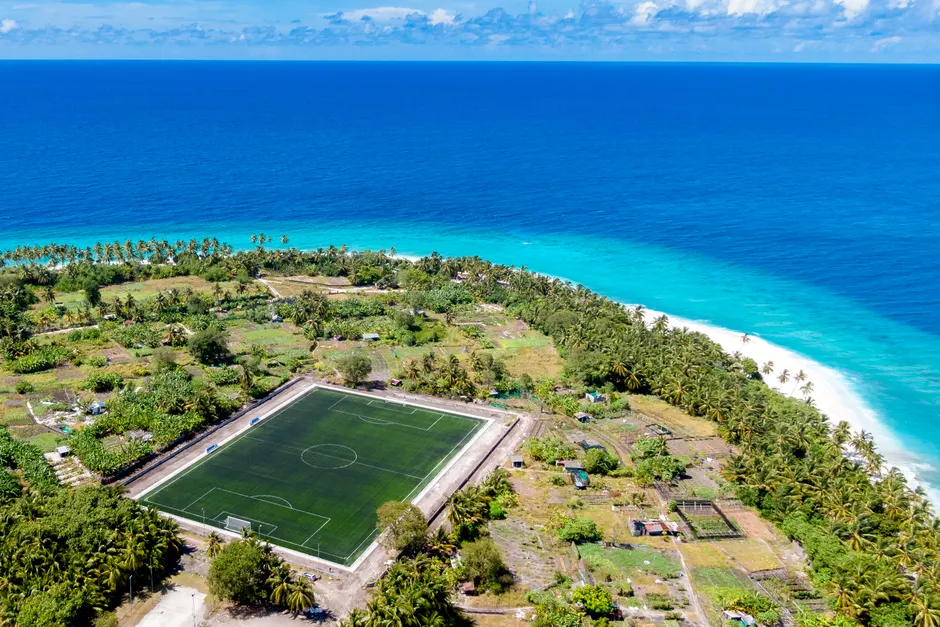
The small Pacific island country of Nauru has changed its official name to the Republic of Naoero. President David Adeang announced the change on the government's Facebook account. The new name returns the country to its traditional name, which is pronounced "Now-ero" instead of "Now-roo" (The Guardian).
The renaming process started in January 2026, when President Adeang proposed the idea to parliament (the country's lawmaking body). Lawmakers voted on the change twice, as required, and formally passed it in May 2026 (Al Jazeera). The government did not hold a referendum, which is a direct public vote on a single question. Lawmakers said the traditional name "has never been lost, but rather waiting to be fully embraced" (The Guardian).
The government said the change would "more faithfully honour our nation's heritage, our language, and our identity" (ABC News). Adeang called the new name "the beginning of renewed national pride" (The Guardian).
Other countries are already using the new name. The United Nations updated its website after the government requested the change on June 26, 2026 (ABC News). Australia, New Zealand, the United States, and China now list the country as Naoero on their official websites (The Guardian).
The country's international code will change from NRU to NRO, and its citizens will be called dei-Naoero instead of Nauruan. The rename will also mean new names for the country's national aircraft and ships (The Guardian).
Government documents already use the new name. A government publication issued by President Adeang, known as Gazette No. 213-26, is titled "Republic of Naoero Government Gazette" and lists the duties of government ministers (Nauru Government Gazette). Older references to "Naoero Postal Services" in official government bulletins suggest the traditional name was already being used in some corners of the government before the formal change (Nauru Bulletin).
Naoero has about 12,000 residents, making it the world's third-smallest country by population, after Tuvalu and Vatican City (The Guardian).
The broader context here is about a very small country reshaping its identity in a part of the world where major powers like the US and China are competing for influence. The fact that both American and Chinese embassies updated their websites so quickly is notable. For a country this small, choosing its own name is a way of telling larger partners that it has its own identity and history, rather than simply accepting the labels left behind by colonial rule.
The decision to skip a public vote raises a fair question. By saying the traditional name was never truly lost, the government framed the change as a restoration rather than a break from the past, which made it easier to pass through parliament alone. Whether everyday citizens, who have used "Nauru" for decades, feel the same way is a different matter from whether the legal process was followed.
There are also practical costs. Changing country codes, renaming ships and planes, and updating records across many countries and organizations all take time and coordination. The UN update, which began in June, shows the government worked on international recognition at the same time as the domestic legal process. The quick support from Australia, New Zealand, the US, and China suggests the government prepared the diplomatic ground before making the announcement.
For those who follow politics in the Pacific, the name change fits a pattern of deliberate identity-building under President Adeang. The legal steps were careful, the international rollout was coordinated, and the government's message stayed consistent. What will be worth watching is how long it takes for the new name to show up in everyday systems, like business registrations and treaty documents, where old habits tend to stick around longer than political plans might expect.


