What Happened When an Everyday Person Fought Back During a Shooting at an Idaho Fast-Food Restaurant
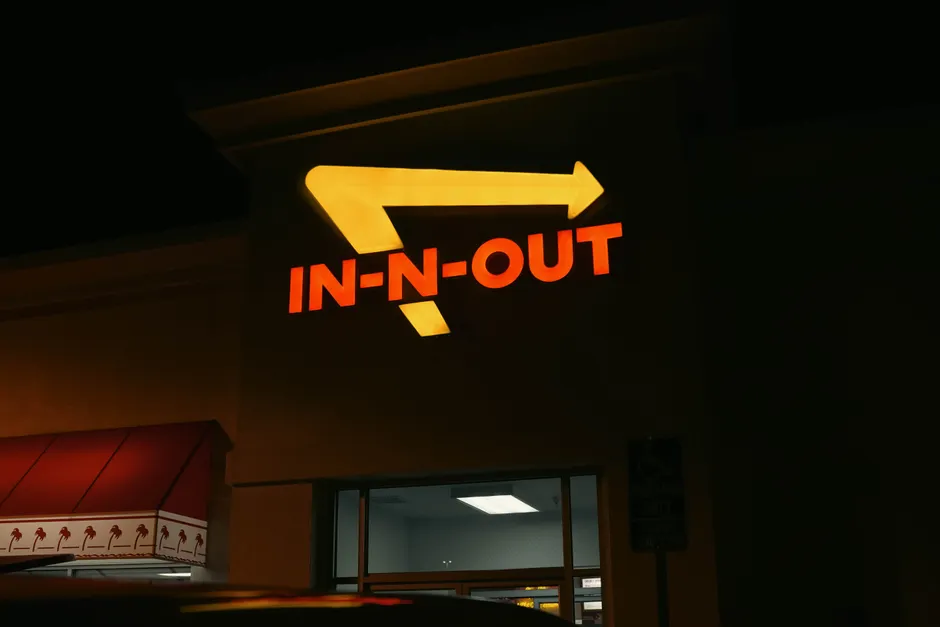
On August 2, 2026, a man opened fire at an In-N-Out Burger restaurant in Twin Falls, Idaho, killing three people and wounding seven. He was met with return fire from a 35-year-old healthcare worker who was carrying a hidden handgun — an action that police say helped prevent more people from being hurt or killed.
The shooter was 24-year-old Chad Williams. He started firing outside the restaurant around 2:30 p.m., aiming a rifle at cars lined up at the drive-through window, according to The Guardian. Williams killed three people and wounded seven before dying from a gunshot wound he inflicted on himself, police said.
Jordan Salinas, who lived in the nearby town of Kimberly, Idaho, worked full-time caring for his brother, who uses a wheelchair. He had stopped at the In-N-Out for lunch on his way to a horseback riding date with his girlfriend. In an interview with the Idaho Statesman published August 2, Salinas described his decision to fight back as "automatic" and "mechanical." He said he felt "no fear" during the gunfire. Salinas pulled his handgun — which was fitted with a suppressor, a device that quiets the sound of each shot — from a shoulder holster and fired at Williams with both hands.
Salinas said he stayed calm because of a four-step method he learned in firearms training: observe, orient, decide, and act. Think of it like a mental checklist you run through in a split second — notice what's happening, figure out your options, choose one, and do it. That training started after a deadly shooting at a mall in Boise, Idaho, that left two dead and four wounded. Salinas said he figured that shooters tend to pick "soft targets" — places where people gather and there's little security — and that a person in a wheelchair and the person helping them would be exactly that kind of target. He has trained seriously with firearms ever since.
Twin Falls police said Salinas and an off-duty police officer both shot back at Williams, which they said saved lives. Police chief Matthew Hicks called their actions "heroic." Sheriff Jack Johnson said the two "saved many lives." The exact details of what the off-duty officer did have not been described in the news reports available.
Of the seven people who were wounded, two were treated and sent home, three were in stable condition, and two were still in critical condition as of the most recent reporting on August 3. The gunman opened fire outside the restaurant, as confirmed by CNN and other news outlets.
The broader context here is grim but important for understanding what was at stake. A group called the Gun Violence Archive, which tracks shootings across the country, counted at least 280 mass shootings in the United States in 2026 as of the Monday after the Twin Falls attack. That number shows how often these events happen — and it has changed how both police and regular people think about staying safe in public places.
What makes the Twin Falls case unusual is that a private citizen with a gun, who had trained specifically because of an earlier mass shooting, happened to be in the same place as an off-duty officer. Salinas said he didn't see what he did as heroism. He saw it as the result of years of practice, done because he believed he and his brother could be targets. His choice to carry a quiet handgun in a shoulder holster, his use of a step-by-step decision method, and his report that he felt no fear all suggest someone who had rehearsed for this kind of situation on purpose.
Whether armed civilians stepping in actually reduces the number of people killed or hurt in mass shootings is something researchers and lawmakers have argued about for a long time. In Twin Falls, police directly said the intervention helped limit the death toll. But exactly how much Salinas's and the off-duty officer's return fire contributed — compared to Williams's own choice to take his life — isn't clear from what's been reported. Police said Williams died from a self-inflicted gunshot wound, and the reporting doesn't fully spell out what happened between the return fire and that moment.
For anyone following patterns in mass shootings, the Twin Falls attack follows a familiar shape: a young male shooter, a crowded public place, a rifle as the main weapon, and a death toll under ten. What sets it apart is the story of a civilian whose journey from bystander to someone who fought back goes straight back to an earlier shooting in the same state. Salinas didn't end up at that In-N-Out by coincidence in the bigger picture. He arrived as someone who had spent years getting ready for exactly this kind of emergency — with both the tools and the mindset to act.