John Oliver Says Police Surveillance Tech Is Watching You — Here's What's Going On
On August 2, 2026, John Oliver used his show Last Week Tonight to talk about the surveillance tools US police now use and the privacy concerns they raise (The Guardian).
Oliver made two main points. First, many of these tools do not work very well. Second, some of them have recently been used to target immigrants. A local mayor quoted in the segment called the systems "Big Brother on steroids." Oliver responded to that comment in a short video posted on the Last Week Tonight YouTube channel on August 3, 2026 (YouTube).
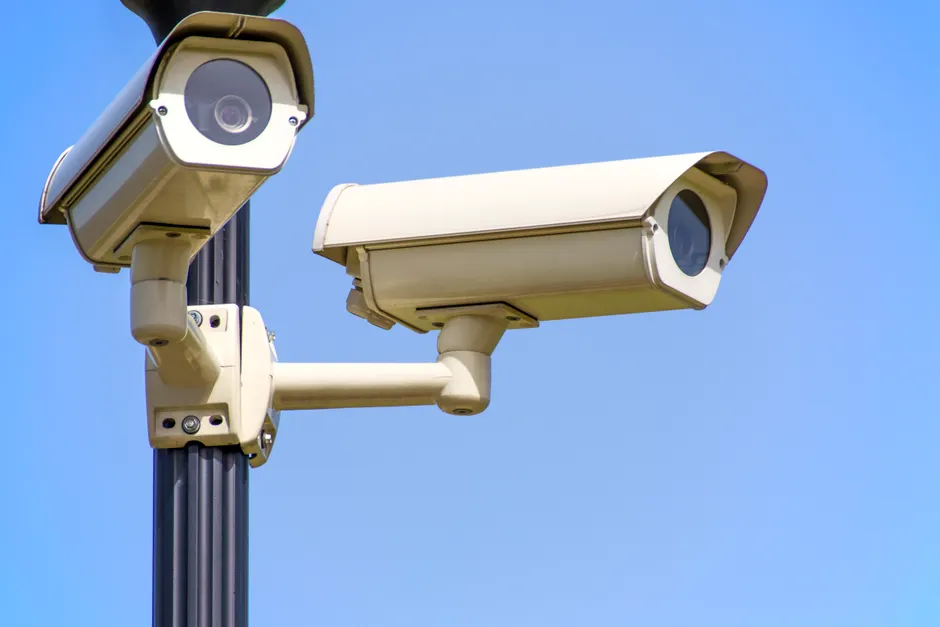
The segment covered a set of tools often grouped under the label "predictive policing" — meaning technology that tries to spot potential criminals before a crime happens, instead of just investigating crimes after the fact. These tools include cameras, devices that read license plates, microphones, and cell-site simulators, which are devices that pretend to be cell phone towers to capture phone data. Oliver called the combined effect a "digital form of stop and frisk" — a reference to the police practice of stopping and searching people based on suspicion alone.
New Orleans shows how big these systems can get. The city has more than 2,000 surveillance cameras. A New Orleans police officer told the show that without those cameras, they would "absolutely not" have been able to figure out who was the shooter and who was the victim in a recent case. That is the core tension Oliver pointed to: the same cameras that help solve violent crimes also keep records of where ordinary people go about their daily lives.
Police also use a much bigger network — about 85,000 privately owned cameras across the US, including cameras owned by businesses and homeowners. A company called Fusus has advertised that it can let police request all camera footage from businesses in a given area "at the click of a button." Fusus is also working on tools that would let police watch live footage from homeowners' Ring cameras. In Rialto, California, businesses are required by law to let authorities access their security footage.
More than 200 US cities and counties use a microphone system called ShotSpotter. It listens for the sound of gunfire and sends police to the location. The problem is that ShotSpotter often mistakes fireworks, nail guns, and other loud noises for gunshots. That sends officers to places where no crime has happened.
Automated license plate readers, or ALPRs, photograph every car that drives by and keep a record of where that car was for 30 days. A study cited in the segment found that at least 35% of the alerts from these systems are false alarms. Oliver pointed to a case in Denver where police pulled over a car full of children because the system wrongly said the car was stolen. The actual stolen vehicle was a motorcycle from another state that happened to have the same license plate number.
Oliver argued that even when these systems work the way they are supposed to, they are "wildly invasive." Cameras and license plate readers can track where a person goes over time. That means they can show whether someone went to a protest, visited an abortion clinic, or did anything else they have a constitutional right to do. The privacy problem, as Oliver put it, is not about the technology breaking down. It is built in.
The segment aired during a national debate about how much data police should be allowed to collect, especially when it comes to immigration enforcement. Oliver's focus on how these tools have been used against immigrant communities connects the segment to a bigger conversation about how much local police should cooperate with federal immigration authorities.
The broader context here is that there is no single set of federal rules governing police surveillance. These technologies are bought by individual cities, governed by a mix of local and state laws, and increasingly tied into private companies like Fusus. The result is that the size and power of the surveillance network is shaped more by company sales pitches and police budgets than by public debate. Oliver did not propose specific laws, but the reporting he brought together shows how far the technology has outpaced the rules meant to keep it in check.


