Oil Prices Just Took a 7% Tumble — Here's What Happened and Why It Matters
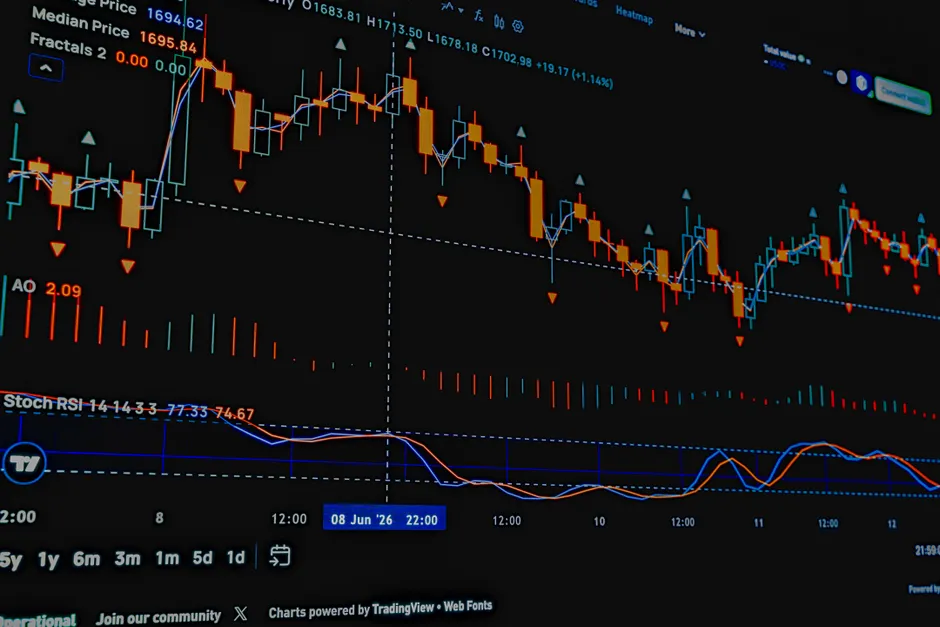
The price of oil fell about 7% on August 3, 2026, after President Donald Trump cancelled a planned military strike on Iran. That drop pushed oil to a three-week low, briefly approaching pre-war levels near $70 per barrel, according to Reuters. Prices kept falling on August 4, with oil settling about 7% lower as tensions between the U.S. and Iran eased and stock markets rose, Reuters reported.
This de-escalation came after a five-month conflict that had periodically disrupted shipping routes in the Persian Gulf and kept oil prices artificially high because of the risk of further fighting. Trump first signaled in early April that the U.S. would wind down its war on Iran, but the August 3 cancellation of strikes was the most concrete step yet. Oil prices had actually hit five-month highs just before, after U.S. strikes on Iran over the preceding weekend, before reversing more than 7% lower by the close, Reuters reported.
The price drop hit a snag on August 4, though. A ship was struck in the Strait of Hormuz, a narrow channel that connects the Persian Gulf to the open ocean, leaving the status of U.S.-Iran talks uncertain, Reuters reported. Iran also said that no talks with the U.S. were under way and none were planned, Reuters reported, making it hard to tell whether the cancelled strike means a real ceasefire or just a temporary pause.
This back-and-forth has been a pattern throughout the conflict. In April, oil prices rose in volatile trading over risks tied to the Strait of Hormuz, WSJ reported. By late May, prices fell again as expectations shifted about a possible deal to end the stalemate, WSJ reported. The cycle keeps repeating: prices jump when fighting escalates, fall when tensions ease, then tick back up when shipping or logistics stay unresolved.
Underneath all the geopolitical drama, the U.S. has had plenty of oil in storage, which has helped keep prices from spiraling out of control. Government data showed that in the week of June 3, 2026, U.S. crude inventories fell by 8 million barrels, double what analysts expected, and refineries were running at 94.7% capacity, Reuters reported. Earlier in the spring, stockpiles were building: crude stocks rose by 5.5 million barrels to 461.6 million in the week of April 1, by 3.1 million to 464.7 million in the week ended April 3, and by 3.8 million to 443.1 million in the March 11 report. Gasoline stocks fell by 5.4 million barrels to 244 million in mid-March and by 3.7 million to 249 million in the March 11 report.
Why does this matter? A 7% one-day drop in oil is a big move. But it comes from already-elevated prices and against a backdrop where U.S. oil stockpiles were growing earlier in the spring before tightening in the summer. The net result is that oil has not "gone crazy" over five months of war, as a July 21 Reuters analysis put it. Prices briefly returned to pre-war levels of $70 after Trump called off the strikes, Reuters reported.
The Strait of Hormuz incident on August 4 is the one factor that prevents a clean return to normal. About 20% of all oil consumed worldwide normally passes through this strait. A single ship being struck does not mean the channel is closed, and the facts available don't prove a lasting disruption. But Iran's claim that no talks are happening, combined with a physical incident on this critical waterway, means the story of de-escalation is not finished. Markets are treating the strike cancellation as a real step toward resolution while also protecting themselves against the chance that Hormuz remains a trouble spot.
On a separate note, the U.S. Bureau of Labor Statistics was scheduled to release June 2026 JOLTS data on August 4 at 10:00 a.m. Eastern Time. JOLTS stands for Job Openings and Labor Turnover Survey, which tracks how many jobs are open and how many workers are quitting or being hired. The Federal Reserve watches this closely to gauge how tight or loose the labor market is. A July JOLTS release is scheduled for September 1.
The bigger picture is a market pulled in two directions. The most direct threat to oil supply — active fighting between the U.S. and Iran — seems to be fading, and prices are moving down as a result. But the vulnerability exposed by the Hormuz incident and Iran's diplomatic stance leave a lingering uncertainty that no single news headline can resolve. For anyone watching prices, the gap between the August 3 strike cancellation and any confirmed diplomatic process is likely to mean more volatility, with each incident in the Strait posing a risk that prices could jump even as the broader trend softens.


