BP Made $5.7 Billion in Three Months. Here's What That Means for You.
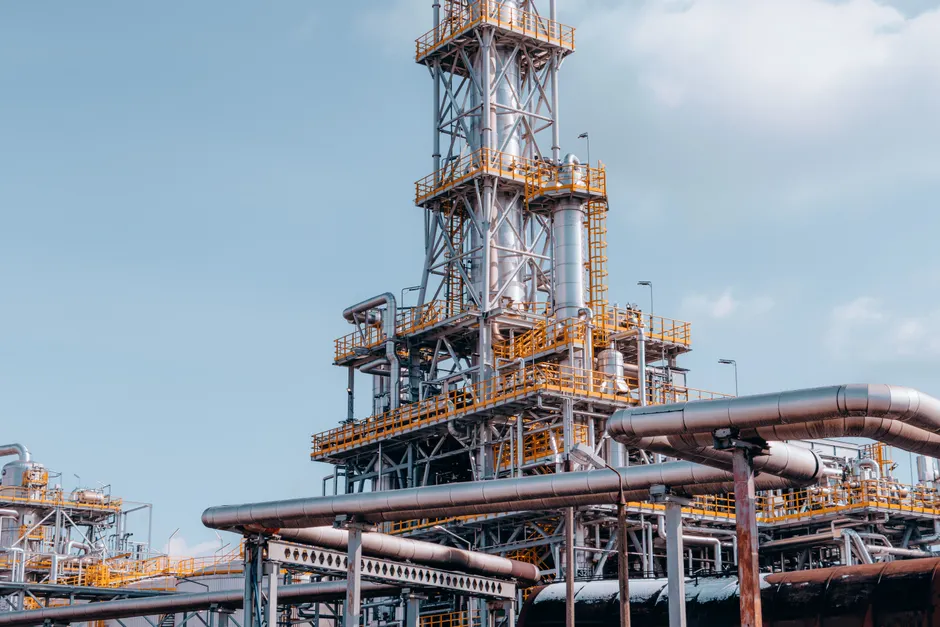
BP reported a profit of $5.7 billion for the second quarter of 2026, up $2.5 billion from the previous quarter, according to results published August 4, 2026 (BP Press Release). That's a 78% jump from the first quarter's $3.2 billion, which had already beaten what analysts expected — they forecast $2.67 billion (Reuters).
The results came with presentation slides, a group databook, and supplementary information, and BP's own headline for the quarter reads: "A stronger financial performance and good progress strengthening bp's balance sheet" (BP Investor Relations). The supplementary information includes profit figures before tax and a measure of how efficiently BP uses the money it has invested in its business (BP Supplementary Info).
That $2.5 billion jump deserves a closer look. BP had warned in a July 14 trading statement that Q2 results would include about $1 billion in impairments — essentially, writing down the value of some assets because they're worth less than before (Reuters). Even with that $1 billion hit, profit still rose 78%. That means the actual business performance was even better than the $5.7 billion headline suggests. And the impairment was announced two weeks ahead of time, so it wasn't a surprise (BP Trading Statement).
BP uses a measure called "underlying replacement cost profit" as its main performance number. Here's why that matters: when oil prices go up or down, the value of the oil BP has sitting in storage changes too, creating paper gains or losses that have nothing to do with how well the company is actually being run. This metric strips those out, giving a clearer picture of how much money the core business is making.
Despite the big profit jump, the market barely reacted. BP's London-listed shares traded at 552.10 pence, down 0.40 pence. BP's New York-listed shares traded at $44.26, down $0.96 — a drop of about 2.1% (BP Investor Relations). That's a small move given the size of the profit beat. One likely reason: the first quarter had already surprised analysts by a wide margin, so some of the good news may have been priced in already.
The big question is whether BP can keep earning at this level, or whether the $5.7 billion reflects a temporary boost from high oil prices and strong refining margins that could fade. If you take the jump from $3.2 billion to $5.7 billion and stretch it across a full year, it works out to more than $20 billion in annual profit — a level that would change the conversation about how BP manages its money and pays down debt. BP's own headline highlights balance-sheet strengthening, suggesting the company reduced debt or improved its financial position during the quarter.
BP's first-quarter results, dated April 24, set the $3.2 billion baseline that Q2 is measured against (BP Q1 Presentation). The full Q2 results materials, including the stock exchange announcement (455.3 KB PDF dated 04 Aug 2026), are available on BP's investor reporting page (BP Investor Relations).
In the coming days, analysts will dig into two things. First, that $1 billion impairment: which assets lost value, and why? It could be oil fields, refineries, or green-energy investments. Second, they'll look at whether the money BP has invested in its business is earning more than it costs to raise that money — a figure in the supplementary information that offers the clearest view of whether BP is genuinely profitable when you set aside oil price swings. That's where the real scrutiny will land.