Why a Strike by Ship Pilots Is Blocking Argentina's Grain Exports
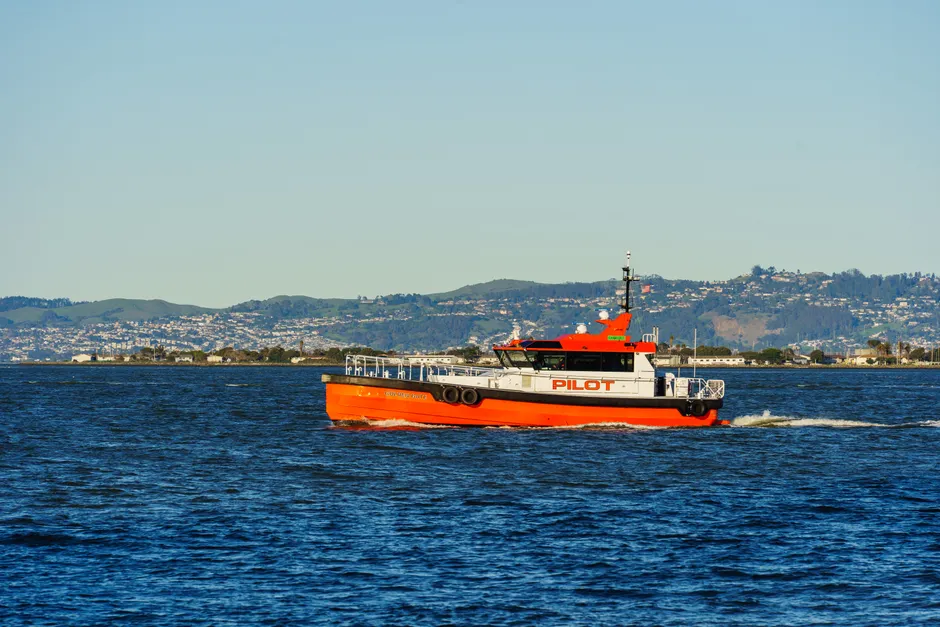
Maritime pilots across Argentina started a strike with no set end date on Monday, August 3, 2026. The strike stopped grain exports after President Javier Milei's government published a new rule that loosens regulations on river navigation services Buenos Aires Herald. At least 45 ships were affected, and around 30 more could be added to that list if the dispute was not resolved by Tuesday Al Jazeera.
Maritime pilots are local experts who climb aboard large cargo ships and steer them safely through narrow rivers and busy ports. Without them, ships cannot enter or leave Argentina's grain ports. Argentina is the largest exporter of soya bean products in the world and a major exporter of corn and wheat. Most of these shipments travel through ports along the Parana River Al Jazeera.
The pilots walked off the job after the government published the new rule on Friday Al Jazeera. The rule, signed by President Milei, created a new set of regulations for pilotage services on Argentina's rivers, ports, and canals. It promotes streamlining procedures, modernizing requirements, and removing regulations the government considers obsolete or disproportionate Al Jazeera.
A union representing the pilots warned that the new rule could reduce demand for Argentine pilots and put jobs at risk Al Jazeera. Gustavo Idigoras, president of business chamber CIARA-CEC, said on X that at least 45 vessels were affected. He warned that around 30 more ships would be added if the dispute was not resolved that Tuesday Al Jazeera.
On Tuesday, Argentina's coastguard ordered the pilots to return to work. The order was published in the country's official gazette and warned of possible disciplinary sanctions Al Jazeera.
This is not the first disruption to Argentina's grain exports this year. In February 2026, the Federation of Maritime Workers (FESIMAF) launched a 48-hour strike against a planned labor bill, bringing grain export operations to a halt Reuters. That strike paralyzed ports across Argentina, disrupting cargo handling and grain shipments Datamar News. Argentina's grain exporters' chamber said at the time that the strike was paralyzing grain shipments Reuters.
The broader context here is that President Milei's government is trying to loosen regulations across many parts of the economy, and labor unions are pushing back at key points where the economy is most vulnerable. The February strike targeted a labor reform bill. The August strike targets a deregulation rule for river navigation. Both hit the same weak spot: Argentina's reliance on the Parana River ports for grain exports.
In February 2026, Argentina ratified the EU-Mercosur trade deal with a 69-3 senate vote, creating one of the world's biggest free trade zones Al Jazeera. That vote shows the administration's push to open up trade. The pilotage rule fits that same direction. The union's concern is that loosening regulations could reduce the need for Argentine pilots, threatening jobs in a sector that is important to the country's export system.
The coastguard's order raises the possibility of punishment, but it is unclear whether that will end the standoff. The strike's impact builds fast. Each day of delay affects the ships already stuck and the growing queue of ships waiting to load. With at least 45 vessels affected and potentially 30 more added, the disruption spreads through shipping schedules, supply chains, and grain commitments to buyers around the world. Because Argentina is the largest exporter of soya bean products, a long stoppage would ripple beyond its borders into global food markets.


