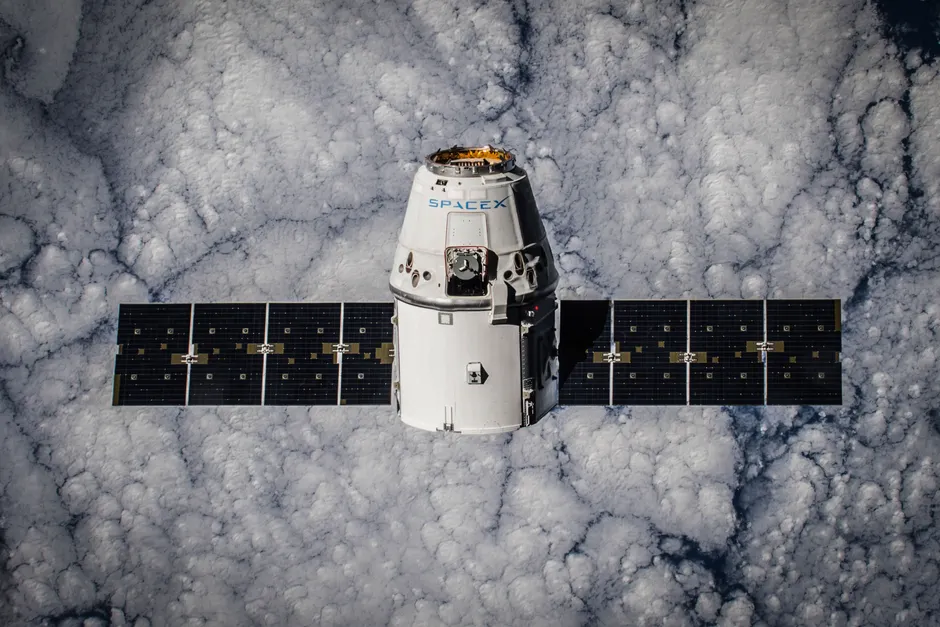
SpaceX Goes Public: What Its First Earnings Call Told Us

SpaceX held its first earnings call as a publicly traded company on August 4, 2026. The company reported its Q2 financial results after the stock market closed and broadcast the call online at 4:30 p.m. ET. The call revealed an ambitious revenue target, big plans for its Starlink internet service, and a new business renting out computing power that is already bringing in billions of dollars.
Chief financial officer Bret Johnsen told listeners that SpaceX is on track to reach $100 billion in yearly revenue by the end of 2026. That figure is based on what the company expects to earn in December, scaled up to a full year, and includes revenue from Cursor (TechCrunch). Johnsen also said SpaceX has already signed contracts for an additional $6.7 billion in cloud services revenue over six months starting in October 2026. He reported that the company earns back the cost of new computing equipment in less than one year.
The computing business works like this: SpaceX buys powerful computer chips called GPUs, which artificial intelligence companies need to train and run their AI systems. SpaceX rents that computing power to those AI companies. This has become a significant source of cash alongside SpaceX's rocket launch business and its satellite internet business. Musk said on the call that he expects demand for computing power to keep outpacing supply, which is why SpaceX plans to keep investing in this area.
On the Starlink side, Elon Musk said he expects the service to "deliver a majority of the world's internet" in "less than 10 years" in countries where SpaceX is allowed to operate (TechCrunch). Chief operating officer Gwynne Shotwell offered a more cautious but still large-scale framing, saying SpaceX expects Starlink to carry a significant portion of global internet traffic in the years ahead. SpaceX describes Starlink as the world's most advanced satellite network in low-Earth orbit, delivering internet fast enough for streaming, online gaming, and video calls (SpaceX).
The bandwidth story is set to grow. SpaceX was preparing to launch the first "V3" versions of its Starlink satellites, which can carry far more data than earlier versions. That increase in capacity matters for both the consumer internet business and the computing business, since satellites that handle data in space can reduce the delay in sending information back and forth.
The earnings call also introduced a way for shareholders to participate: investors could submit and upvote questions through a website ahead of the broadcast, and a recording was made available afterward (SpaceX IR). The investor relations site hosts quarterly and annual reports, regulatory filings, and events and presentations (SpaceX IR).
Two days after the call, on August 6, 2026, 911.5 million SpaceX shares held by employees and early investors became eligible for sale. When a company first goes public, insiders are typically barred from selling their shares for a set period called a lockup; once that period ends, those shares can hit the market (Forbes). Reuters reported that the first quarterly earnings results as a public company could trigger a $225 billion swing in SpaceX's share price (Reuters).
What makes the call important is how these pieces fit together. Earning back equipment costs in under a year, plus $6.7 billion in signed cloud revenue and a $100 billion revenue target, puts SpaceX in a position to compete with the major cloud computing companies like Amazon Web Services and Google Cloud. SpaceX is not trying to be a general-purpose cloud provider. Instead, it is building an infrastructure layer that combines its satellite network with AI-grade computing power. Musk's expectation that demand for computing power will stay high is a bet that investing heavily now will pay off.
The lockup expiry adds another factor. Nearly a billion shares becoming available for sale just two days after the first earnings report means the market's reaction to the financial results gets translated into stock-price movement under immediate selling pressure. Reuters's $225 billion swing figure gives a sense of what is at stake.
Looking at the bigger picture, SpaceX is making the case that satellite internet and AI computing infrastructure reinforce each other rather than operating as separate businesses. V3 satellites with higher data capacity improve the network; renting out computing power turns that network into steady revenue; Starlink's internet service grows the customer base. Whether Musk's prediction that Starlink will carry a majority of the world's internet within a decade proves accurate is a separate question from whether the combined model works. But the financial figures shared on this call indicate the infrastructure to test that idea is being built quickly.