SpaceX Just Had Its First Earnings Report as a Public Company. Here's What Happened.
SpaceX reported $7.8 billion in revenue for the second quarter of 2026, up from $4 billion a year earlier — a 92% increase — according to its first earnings report since becoming a public company TechCrunch. The report came about two months after SpaceX held its initial public offering, or IPO, which raised more than $85 billion and valued the company at $1.75 trillion.
Nearly $2 billion of the quarterly revenue growth came from SpaceX's AI division, while Starlink, the company's satellite internet service, contributed $1.7 billion. The AI revenue comes from two large agreements signed before the IPO. Google agreed to pay SpaceX $920 million per month for access to computing power over 32 months CNBC. Separately, SpaceX agreed to rent out specialized AI processors at its Colossus 1 data center to Anthropic, an AI company, for $1.25 billion per month Yahoo Finance. Together, the two deals are worth roughly $26 billion per year Reuters.
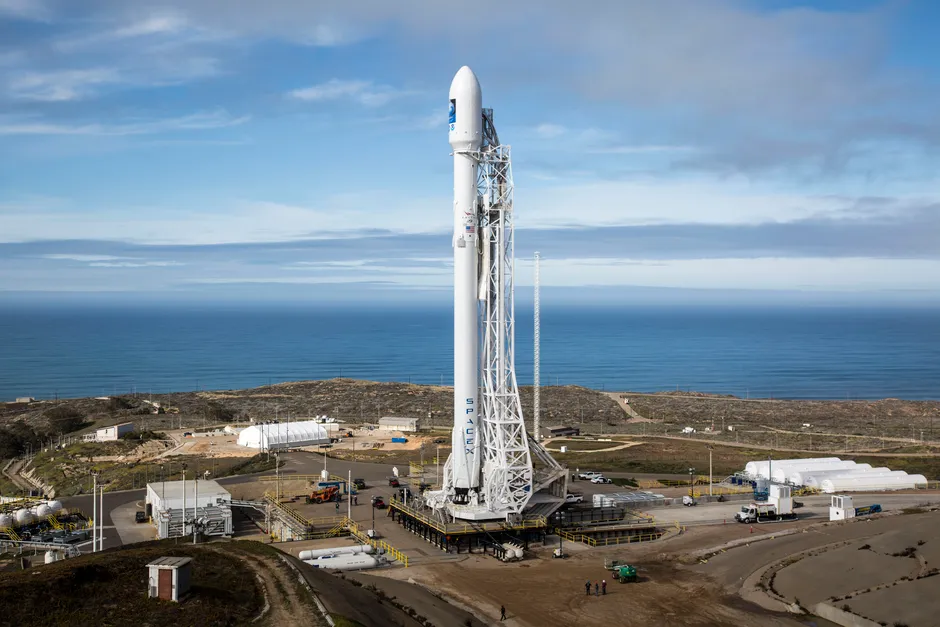
Starlink's subscriber base reached about 10.3 million in the quarter ending March 31, 2026, up 105% from a year earlier, when it had about 5.0 million subscribers. Those figures come from SpaceX's public filing with the SEC SEC EDGAR. As of March 31, 2026, SpaceX had launched about 7,400 metric tons of cargo into orbit with a mission success rate above 99% across its Falcon rockets SEC EDGAR.
The market reaction to the earnings was negative. SpaceX shares closed at just over $125 on August 4, 2026, and dropped as much as 8% in after-hours trading. In the days after the IPO, the stock's total market value had briefly surpassed Amazon and nearly equaled Microsoft before falling below its $135 per share IPO price.
SpaceX published a standalone IPO website on June 4, 2026 SEC EDGAR. That same day it filed a document called "Project Apex - Australian Wrap and S-1" on its own website, which discusses its potential future market size, operating results, and financial position SEC EDGAR.
The most interesting part of these numbers is how SpaceX's business has changed. The company was once understood mainly as a rocket launch provider and satellite operator. Now it is also one of the largest companies leasing out computing power for AI, by revenue. The two AI compute contracts, signed within weeks of each other in early June, are generating quarterly revenue on the same scale as the growth of Starlink's entire satellite internet business.
One thing worth noting is the risk of relying on just two customers. A large share of SpaceX's quarterly revenue now depends on Google and Anthropic, and on the continued growth of demand for AI computing power. If either company renegotiates, reduces what it has committed to, or if the broader AI market cools down, the AI division's revenue could shrink quickly. Starlink, with its 10.3 million subscribers doubling year-over-year, is a steadier source of growth because it is built on regular monthly payments from consumers and businesses, rather than fixed-term leasing agreements.
The stock reaction adds another layer. A 92% revenue increase would normally be welcomed by investors. Instead, shares fell below the IPO price. Part of this likely reflects the gap between the early excitement that pushed SpaceX's market value past Amazon and the harder question of how to value a company that does three very different things: launch rockets, provide satellite internet, and lease out data-center computing power. Each of those businesses has different profit margins, spending needs, and competitive pressures, and the market appears to be figuring out which approach to use.
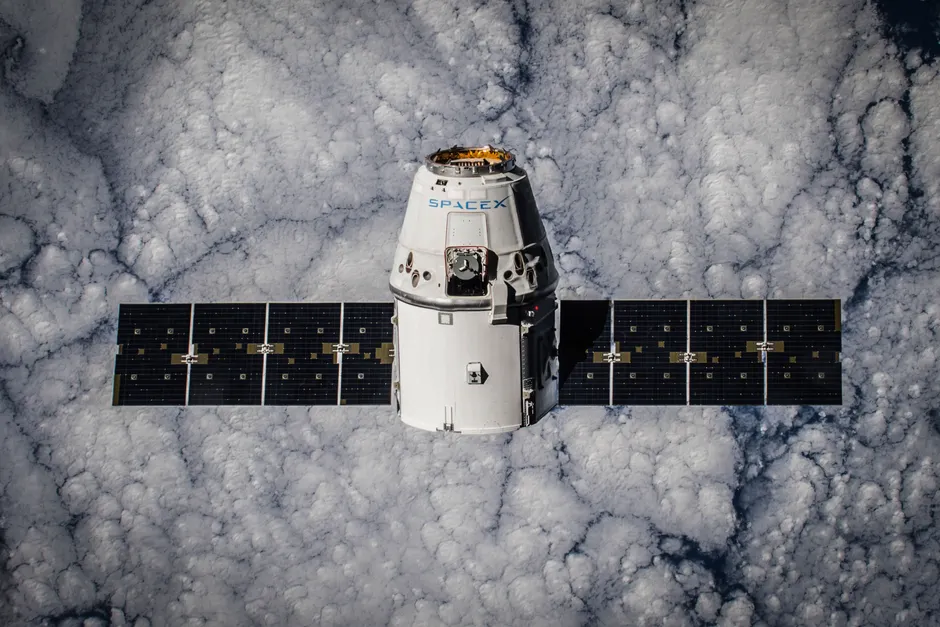
SpaceX has also shared technical details about how its Starlink satellites work. The satellites go through three phases: first they raise their orbit, then they wait in a temporary parking orbit at 380 kilometers above Earth, and finally they operate at 550 kilometers. This relatively low altitude was chosen to reduce the delay in internet signals and to keep space traffic safe. Because the satellites are close to Earth, they experience drag from the atmosphere, so any malfunctioning ones fall back down and burn up quickly, reducing space debris SpaceX. The company also publishes satellite orbit information on space-track.org so astronomers can plan their observations, and it has been adding sun visors to the satellites to make them less visible from the ground.
In my view, what is genuinely new in this report is not the growth rate itself but where that growth is coming from. A company that was, until recently, known for launching rockets and operating satellites is now also a major provider of computing power for AI. Whether that change lasts will depend on whether demand for AI computing stays at current levels and whether SpaceX can keep expanding its data centers. Starlink's subscriber base, growing at 105% year-over-year, offers a dependable foundation. The AI compute deals, at $26 billion per year, offer a much higher potential — but one that depends heavily on where the AI industry goes next.