Israel Is Spending Millions to Take Over Historical Sites in the West Bank. Here's What's Going On.
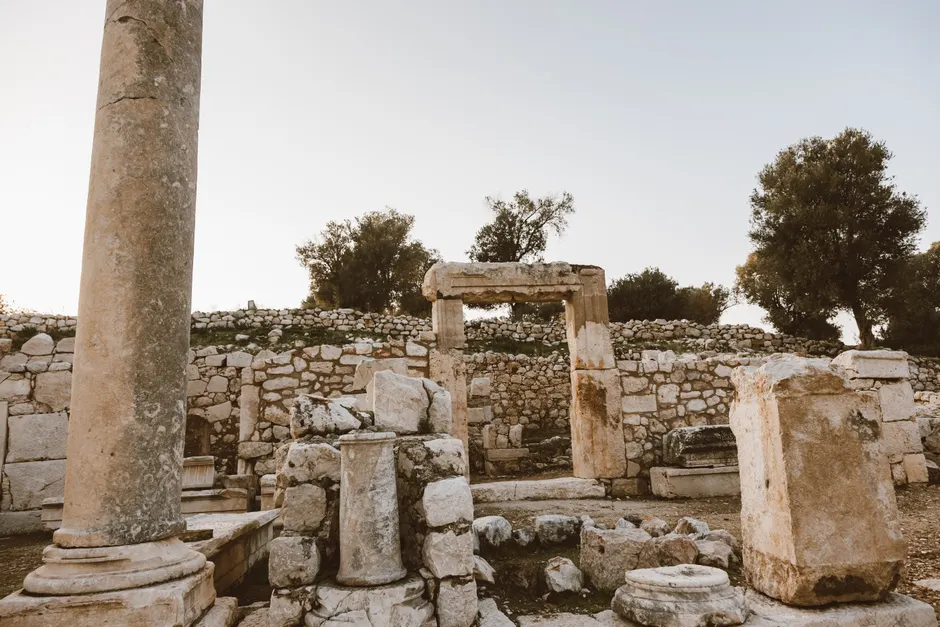
On August 5, 2026, Israel approved 113 million shekels ($37 million) to take control of more than 70 historical sites in the West Bank, Al Jazeera reported. This builds on an $83 million plan approved in May 2026 that targets archaeological sites across the West Bank, the Jordan Valley, and other areas.
The West Bank is a territory that Israel captured in the 1967 war. Palestinians want it as part of a future state. Israel has built settlements — Jewish communities — there ever since. Most of the world considers these settlements illegal under international law, a view shared by the United Nations and the International Court of Justice. Israel disagrees.
On the same day, Israel's parliament (the Knesset) approved another $99 million for the country's Settlements Ministry, the government department that oversees settlements. Finance Minister Bezalel Smotrich called the spending "a Zionist act of the highest order" and said, "A people without a past has no future." He talked about building new visitor centres and research facilities at the sites.
Palestinian media reported that the plans include taking over Solomon's Pools near Bethlehem. Solomon's Pools is an ancient water system south of Bethlehem. Both Israelis and Palestinians claim it as part of their heritage, and it has been a point of tension for years.
This is part of a larger pattern of growing spending. In June 2026, Israel's cabinet moved forward on a plan to spend about $339.7 million on new settlements in the West Bank, Reuters reported. A year earlier, in May 2025, the government approved 22 new settlements there, according to Reuters. In July 2024, an Israeli watchdog group called Peace Now reported that Israel approved seizing 12.7 square kilometers (about 5 square miles) of land in the Jordan Valley, which they called the biggest land seizure in the West Bank in three decades, PBS NewsHour reported.
Smotrich said about 104 settlements and 160 outposts have been approved since 2022. Outposts are small, often unauthorized groups of settler homes that can later get government approval.
Palestinian media also reported more than 11,000 settler and military attacks across the West Bank so far in 2026.
What makes the August 5 decision different from earlier settlement actions is its focus on historical and archaeological sites. Previous efforts mostly built homes and took land. This one targets places of cultural and historical importance. The planned visitor centres and research facilities would give Israel the infrastructure to manage these sites and tell their stories.
The broader picture is about more than money. The May archaeological plan ($83 million), the June settlement plan ($339.7 million), and the August 5 approvals ($37 million for historical sites, $99 million for the Settlements Ministry) together add up to a massive investment in strengthening Israeli control across the West Bank. If the June plan for $339.7 million is finalized, it would be the largest single item.
Several Western governments have placed sanctions on individual settlers. Sanctions are penalties that can freeze a person's assets or restrict their travel. But these measures have not stopped the budgetary expansion.
The heritage-sites strategy adds a new layer to the conflict. Israel is not only taking physical control of land — it is also taking control of the historical stories tied to that land. Think of it this way: if you build a house on disputed land, people can argue about who owns it. But if you build a museum there and decide what story the museum tells, you are also shaping how people understand the place. That is harder to undo.
For Palestinians, the targeting of sites like Solomon's Pools looks like a strategy of surrounding Bethlehem and the southern West Bank. Under the Oslo Accords — peace agreements from the 1990s that divided the West Bank into zones — some of these areas are supposed to be under Palestinian control. Adding heritage sites and visitor centres to the settlement effort makes any future peace deal more complicated, because it creates lasting institutions, not just houses.
It is not yet clear when any of this will actually happen. Approving funding does not mean construction starts right away. Both the government committee and the parliament appear to be moving in the same direction, but neither has said when the money will be spent or when site takeovers will begin.


