A Startup Using Satellites to Help Rice Farmers Save Water Just Raised $9.5 Million
Mitti Labs, a climate technology startup with offices in New York and Bengaluru, India, has raised $9.5 million in a funding round led by Aramco Ventures, the investment arm of Saudi Aramco. Other backers included Lightspeed India, Godrej Industries Group, Cisco, Francis Family Fund, and Volta Circle. The new funding brings Mitti Labs' total raised to $12.5 million, counting an earlier $3 million round from July 2024 backed by Lightspeed, Voyager, and Overview. (TechCrunch)
This is Aramco Ventures' first investment in an Indian startup. Mitti Labs started its programs in 2023 and has grown from about 8,000 farmers in its first season to more than 100,000 farmers this season across several Indian states. The company aims to reach millions of small-scale farmers by 2030. (TechCrunch)
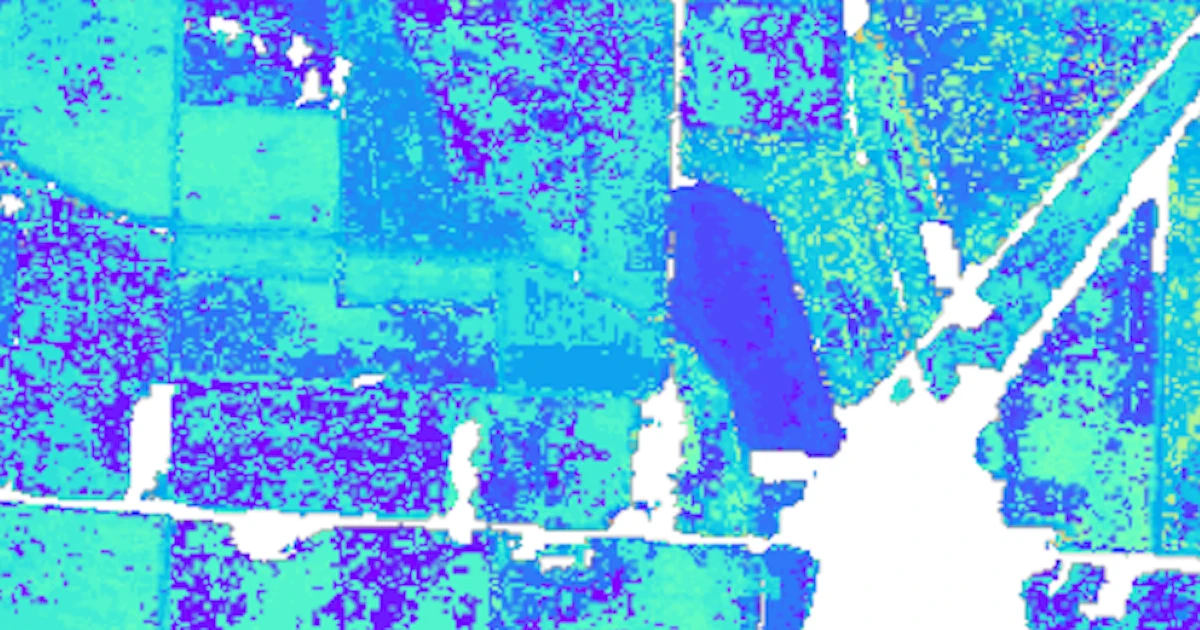
Mitti Labs' main tool is a platform that combines satellite images, artificial intelligence, and people on the ground to help farmers use less water and produce less methane. The satellites it uses carry a type of radar that can see through clouds — important because rice-growing seasons in Asia often happen during the rainy monsoon, when regular camera-based satellites cannot see the fields. The company has mapped 10 million hectares of rice fields in India, which is about one-quarter of the country's rice-growing land. (TechCrunch; Carbon Herald)
Rice is the main food for more than half the people on Earth, but growing it takes a toll on the environment. Rice farming produces about 10% of the world's methane emissions — more than any other crop — and uses about 30% of the world's freshwater. The main reason rice produces so much methane is that farmers traditionally keep their fields continuously flooded. The flooded, oxygen-poor soil becomes a perfect home for bacteria that release methane gas. (LinkedIn/Mitti Labs; TechCrunch)
Farmers in Mitti Labs' programs change how they irrigate their fields. The company says these changes cut water use by about 40% and methane emissions by more than 50% without reducing how much rice the farmers harvest. That is an important claim, because the biggest reason farmers have resisted switching to water-saving methods in the past has been the fear that their harvests would shrink. (TechCrunch)
Mitti Labs makes money in two ways: selling carbon credits and licensing its software platform. A carbon credit is a certificate representing a verified reduction in greenhouse gas emissions, which companies can buy to offset their own emissions. Mitti Labs' customers include carbon marketplace Cool Effect, rice producer Ebro Foods, and agricultural company Syngenta. The Cool Effect partnership, announced in May 2026, is described as a world-first effort to permanently cut methane from rice farming. Mitti Labs also works with The Nature Conservancy and received a $150,000 NASA grant in 2024. (TechCrunch; Mitti Labs; PR Newswire)
The company has more than 150 employees, with most based in India.
The broader context here is worth flagging. Agricultural methane has gotten far less attention than emissions from energy and industry, even though rice farming alone produces more than 8% of human-caused methane. (AgFunder News) The hard part is not knowing that rice fields produce methane — it is proving that emissions have actually gone down across millions of small farms where conditions vary from plot to plot and season to season. Mitti Labs' radar satellites, which can see through monsoon clouds, tackle one of the toughest problems in tropical agriculture.
The carbon-credit side of the business also deserves scrutiny. The market for voluntary carbon credits has faced questions about whether the emissions reductions they represent are real, and methane credits from farming are still relatively new. Mitti Labs has a built-in backup: if carbon credit prices drop or the rules get stricter, its software platform still has value on its own as a tool for monitoring and managing farms. The fact that Ebro Foods and Syngenta are already customers suggests the software is being used for more than just carbon accounting.
Going from 8,000 to 100,000 farmers in a year is fast growth for small-scale farming. The real test over the next few growing seasons will be whether the claims about saving water without cutting harvests hold up across different soils, weather, and water sources, and whether the carbon-credit numbers survive independent auditing. The NASA grant and The Nature Conservancy partnership add credibility, but the proof will come down to whether farmers stay in the program and whether audited emissions data confirms the reductions. For now, Mitti Labs has funding, a technology approach that addresses a real gap, and customers on both the carbon-market and agricultural sides.


