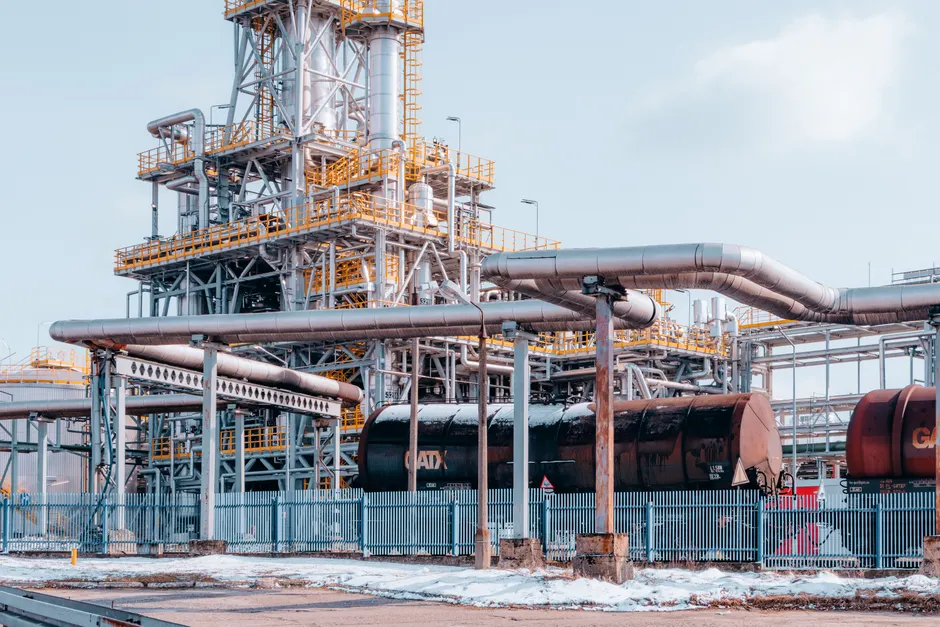
Natural Gas Is Cheap Today, but the Market Bets It Won't Stay That Way
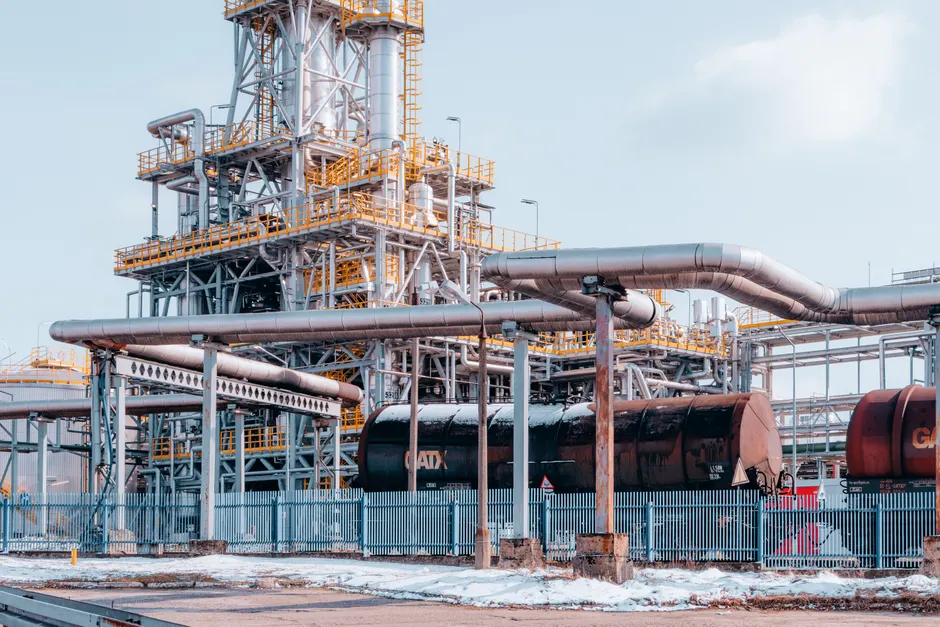
Henry Hub natural gas futures opened at $2.68 and closed at $2.69 per MMBtu on August 5, 2026, a gain of about 0.48%, Markets Insider. (MMBtu stands for "million British thermal units" — a standard way to measure gas. One MMBtu is roughly the energy in burning 100 cubic feet of natural gas.) The prior session's after-hours trading showed a price of 2.685, barely up, on very low trading volume of 516 contracts, CME Group. Two days earlier, on August 2, the market traded 2,535 contracts at 2.751, CME Group.
The spot price — what you'd pay for gas delivered right now — was $2.63 per MMBtu as of July 27, 2026, according to the Federal Reserve's FRED database, FRED. The EIA, the government's energy statistics agency, publishes official daily futures settlement prices at 2:30 p.m. ET and was scheduled to release updated figures on August 5, EIA. The EIA's Henry Hub spot price page was also due for an update that day, EIA.
Underground gas storage stood at 3,084 Bcf (billion cubic feet) as of July 24, after suppliers added 28 Bcf during the week, EIA. That increase was normal for late July. Think of storage like a pantry: in summer, when demand for heating is low, suppliers stock up. Right now the pantry is well-filled.
Prices have been under pressure for weeks. In mid-July, the August futures contract fell 6.6 cents, or 2.3%, to $2.888 per MMBtu — a two-month low — as rising production met already ample supply, Reuters. Since then, the price has slipped another 20 cents or so.
But here's the twist. The 12-month forward strip — the average price of futures contracts spanning the next year — stood at $3.97 per MMBtu as of a January EIA report, EIA. That is about $1.28 higher than today's price. When future prices are higher than today's, traders call it "contango." It usually means the market expects supply to get tighter over time.
The EIA's Short-Term Energy Outlook projects that natural gas burned for electricity will hit a record in 2027, EIA. Three forces are driving that demand: data centers, the shift toward electric-powered everything, and coal plants shutting down.
Oil markets also sold off on August 4. Brent crude fell $4.41, or 5.3%, to $79.36 per barrel after reports of progress in U.S.-Iran nuclear talks, Reuters. Oil and natural gas are driven by different factors, but the gloomy mood spilled across energy markets.
The broader context here is a market split between comfortable supply today and expectations of tighter supply tomorrow. Storage at 3,084 Bcf is a solid buffer through the winter heating season, when gas gets drawn down. The spot price near $2.63 reflects that comfort. But the forward strip near $3.97 says traders expect demand — especially from power plants — to eat into that surplus. The EIA's forecast of record gas-fired electricity in 2027 is the backbone of that bet.
The key question for anyone watching this market is whether gas production can keep up with demand. Rising output has been pushing prices down all year. If LNG export terminals and power-plant demand grow faster than supply can respond, the gap between today's price and tomorrow's could widen. If production keeps climbing, that gap shrinks.
One caveat about the August 4 trading: only 516 contracts changed hands, a very thin session. Low-volume days can produce prices that don't reflect the broader market. The August 2 session, with 2,535 contracts, is a better read on how actively the market is trading.
Neither the EIA's official August 5 settlement nor the updated Henry Hub spot price had been published when the after-hours quote was recorded. The EIA's 2:30 p.m. ET release on August 5 will be the benchmark against which the $2.69 close gets checked.