Bumble Is Trying to Move Beyond the Swipe
Bumble reported a 15.2% drop in revenue compared to the same period last year, bringing in $210.5 million for Q2 2026. The company also lost paying customers and gave a weak forecast for the current quarter, which pushed its stock price down. But the main story from the earnings call was not the numbers. CEO Whitney Wolfe Heard said Bumble is working on a new way for people to interact on the app that would replace the swipe entirely, and is pushing harder into real-life, in-person meetups.
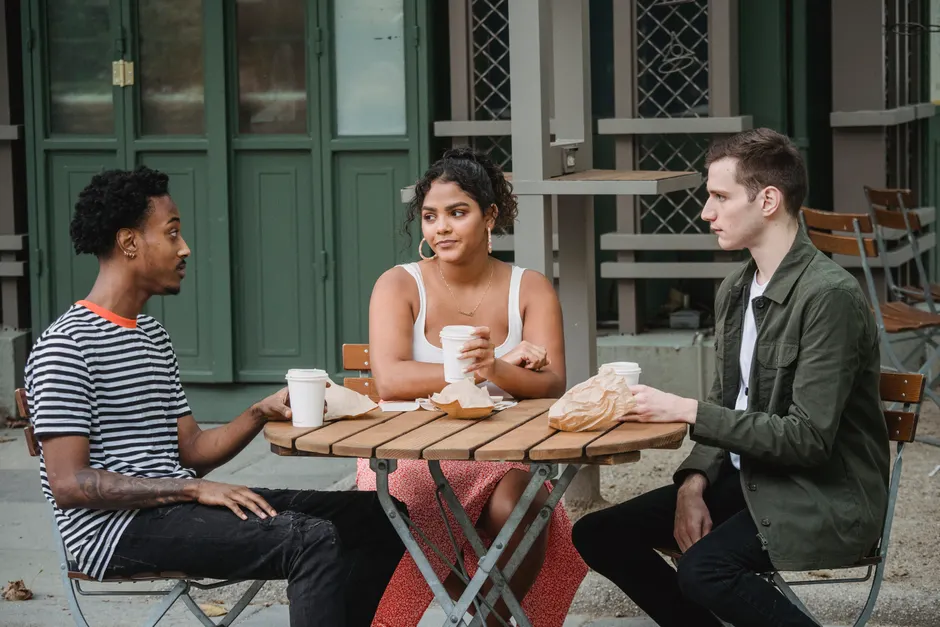
The most concrete example is a new app called Plans, designed to bring people together in low-pressure group settings. Plans lets users meet up for small-group drinks and dinners at local spots. The goal is to build friendships that could later grow into closer friendships or romantic connections. Bumble said early tests looked promising. People who connect through Plans can keep talking on Bumble's main app without swiping or trading phone numbers, which keeps the conversation inside Bumble rather than sending it off to iMessage or WhatsApp.
Wolfe Heard said the in-person push is a response to how younger people behave. Group socializing, she said, is genuinely how Gen Z prefers to meet. Bumble wants to be the bridge from meeting to socializing to dating. The company had previously tested friend-making through Bumble BFF, which gained particular traction among Gen Z women.
The bigger change is the idea of a swipe-free app. Wolfe Heard said Bumble wants to move away from fast swiping toward what she called "more intentional, fewer, better, more considered signals." The company was clear that this would happen gradually, to avoid disrupting the experience for current users. That caution makes sense: the swipe has been central to Bumble since it launched, and removing it suddenly would risk confusing or losing people who are used to it.
Bumble also said it plans to use more AI tools to improve how it matches people, though it was careful to say this would not mean becoming an "AI-driven experience." In other words, AI would work behind the scenes to suggest better matches or help conversations, not replace the human decision of whether two people actually want to meet.
The broader context here is that Bumble is overhauling its product strategy under real financial pressure. A 15.2% revenue decline with shrinking paying users is a serious problem. Dating apps in general have struggled to keep users and make money as people grow tired of swiping. Bumble's changes read as an attempt to fix both the engagement problem and the revenue problem at the same time. Plans creates a new way to bring people into the main app. A swipe-free model, if it leads to better matches and longer sessions, could improve the numbers that translate into paid subscriptions.
There is genuine risk in replacing something that, for all its flaws, is proven to keep people engaged and is a deeply ingrained habit. The swipe is fast, easy, and feels like a game. "Fewer, better, more considered signals" sounds appealing, but it goes against the quick-reward cycle that has made swipe-based apps profitable. Bumble's gradual approach suggests the company knows this tension exists.
The in-person angle faces a different risk. Group meetup apps have been tried before with mixed results. The key question is whether Plans can keep enough activity going in enough cities to feel lively for new users, or whether it runs into the cold-start problem — the difficulty of getting traction when few people are using the product at first. Bumble's existing user base gives it a head start that brand-new meetup apps do not have, which could help.
Bumble did not give a timeline for the full swipe-free transition or for Plans' wider rollout. The Q2 2026 results and forecast suggest the market is not expecting a quick turnaround. The announcements on the call are a bet that changing the product itself, rather than fine-tuning what already exists, is what will reverse the decline. Whether that bet works will depend on how fast Bumble can execute and on whether Gen Z's stated preference for low-pressure group socializing turns into lasting engagement on a platform that was built for one-to-one swiping.


