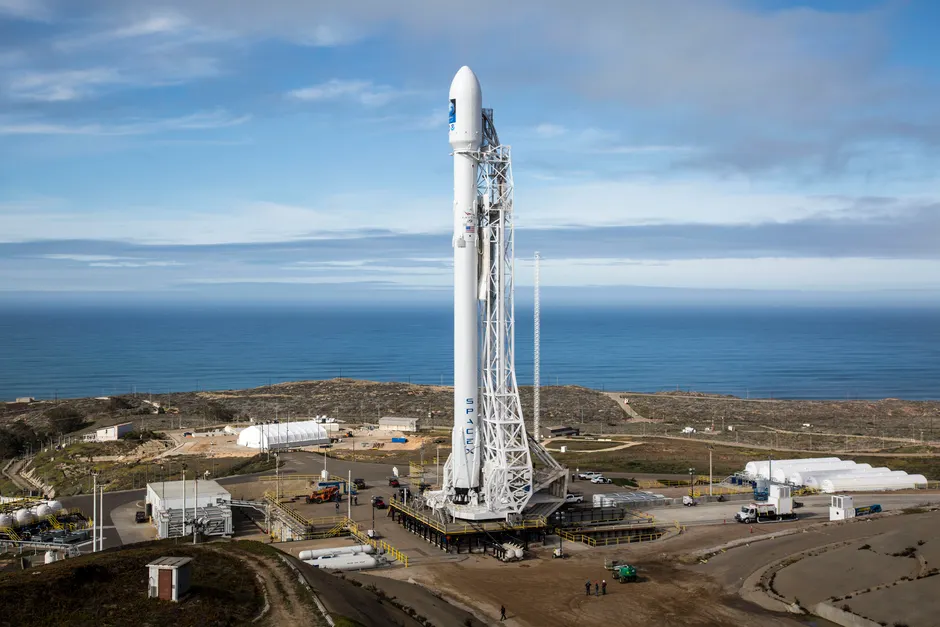
SpaceX Insiders Can Start Selling Shares Thursday — Here's What That Means
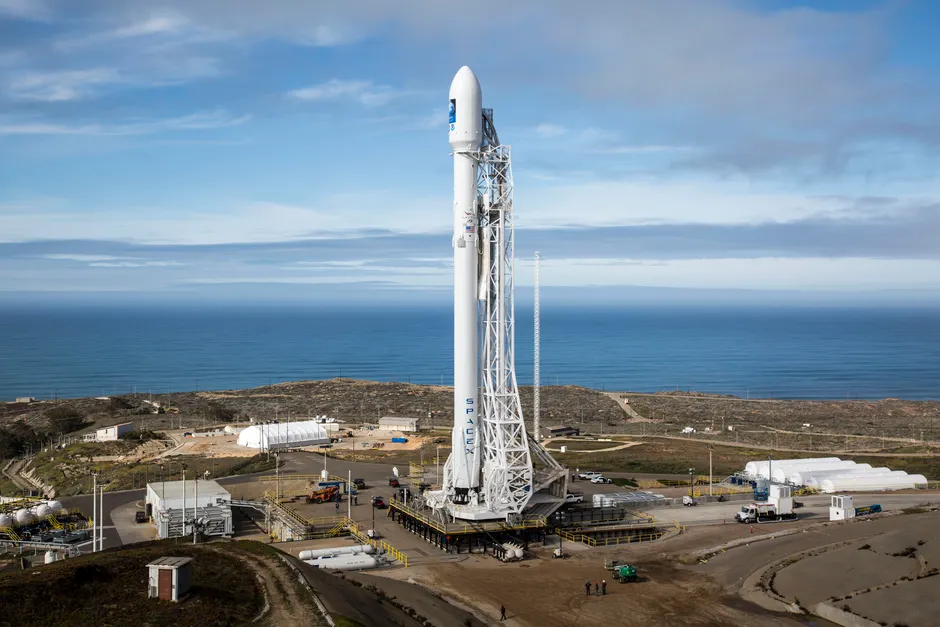
On August 6, 2026, about 911.5 million SpaceX shares held by insiders become eligible for sale. This is the first and largest batch in a schedule that slowly releases shares over 10 months following the company's June IPO. An IPO, or initial public offering, is when a company first sells its shares to the public. SpaceX stock is currently down 49% from its highest price after that June debut and is trading below the $135 price set at the IPO, testing whether enough buyers want the shares. SpaceX raised $75 billion in that offering, valuing the company at $1.77 trillion. (Reuters)
When a company goes public, early investors and employees are usually blocked from selling their shares for a set period — called a lockup. The idea is to prevent too many shares from hitting the market at once, which could drive the price down. Most companies use a single lockup expiration date, typically 180 days after the IPO. SpaceX did it differently. The company staggered its releases over roughly 10 months, with different batches unlocking on different dates tied to time and performance conditions. A first wave of pre-IPO investors can sell on Thursday, August 6. (WSJ) Up to 20% of early-release shares may be sold shortly after SpaceX reports its first quarterly results, with another 10% eligible later in the schedule. (WSJ) Many SpaceX employees can sell beginning Thursday too, though top executives still face longer restrictions. (Reuters) The final employee lockup expires December 8, 2026, releasing the remaining bulk of Class A shares. (Investing.com)
The staggered schedule includes a second batch tied to the stock price. An additional 455.8 million shares become eligible for sale if SpaceX's stock stays above $175.50 for at least five of 10 consecutive trading days. That threshold is 30% above the $135 IPO price — a level the stock has not reached since the recent drop. (Investing.com)
Elon Musk faces a 366-day lockup under terms in SpaceX's IPO roadshow presentation, meaning his personal shares cannot be sold until well into 2027. The same document outlines the staggered release schedule for select investors and officers. (SpaceX IPO Roadshow)
SpaceX's IPO in mid-June raised $75 billion, valuing the company at $1.77 trillion, with shares priced at $135. (WSJ) The offering set aside as much as 30%, or $22.5 billion, of IPO shares for retail investors — ordinary individuals rather than big institutions — an unusually large share. (Reuters — published 2026-06-08) The company listed its Class A common stock on both the Nasdaq Stock Market and Nasdaq Texas. (SpaceX EU Prospectus; SpaceX Australian Prospectus) SpaceX also secured international distribution, with its EU prospectus approved by German regulator Bafin on June 5 and its Australian prospectus lodged June 4.
In its Q2 2026 earnings Q&A, SpaceX addressed questions about share repurchase plans and longer-term capital allocation strategy after lockup expiration. The company signaled awareness that the unlock sequence could pressure the stock if there are not enough buyers to absorb the insider shares. (SpaceX Q&A)
The mechanics here matter. The 911.5 million shares unlocking Thursday create what traders call an overhang — a large pool of shares that could be sold, weighing on the price even before any sales happen. This overhang sits against a supply of publicly traded shares that has only existed since mid-June. The price-gated batch of 455.8 million shares adds a second potential overhang, though the $175.50 trigger provides a cushion at current levels. The 30% retail allocation means a meaningful portion of publicly available shares is held by people who bought at $135 and are now sitting on a loss, which could affect how quickly they sell compared with larger, longer-term institutional holders.
The broader context is about how SpaceX chose to handle the risk. By spacing releases across 10 months and tying one batch to a price target, the staggered structure front-loads selling pressure into the early windows while rewarding price stability with a conditional release. The trade-off: the overhang lasts longer, which could limit how high the stock can climb, but it avoids a single-day flood of selling.
The 49% drop from the June high, with the stock below the IPO price, reflects the market pricing in this overhang along with any other changes in how investors value the company. The key question now is whether enough buyers exist at current prices to absorb Thursday's batch without pushing the stock lower, or whether the staggered schedule simply stretches the selling pressure through December's final unlock.